
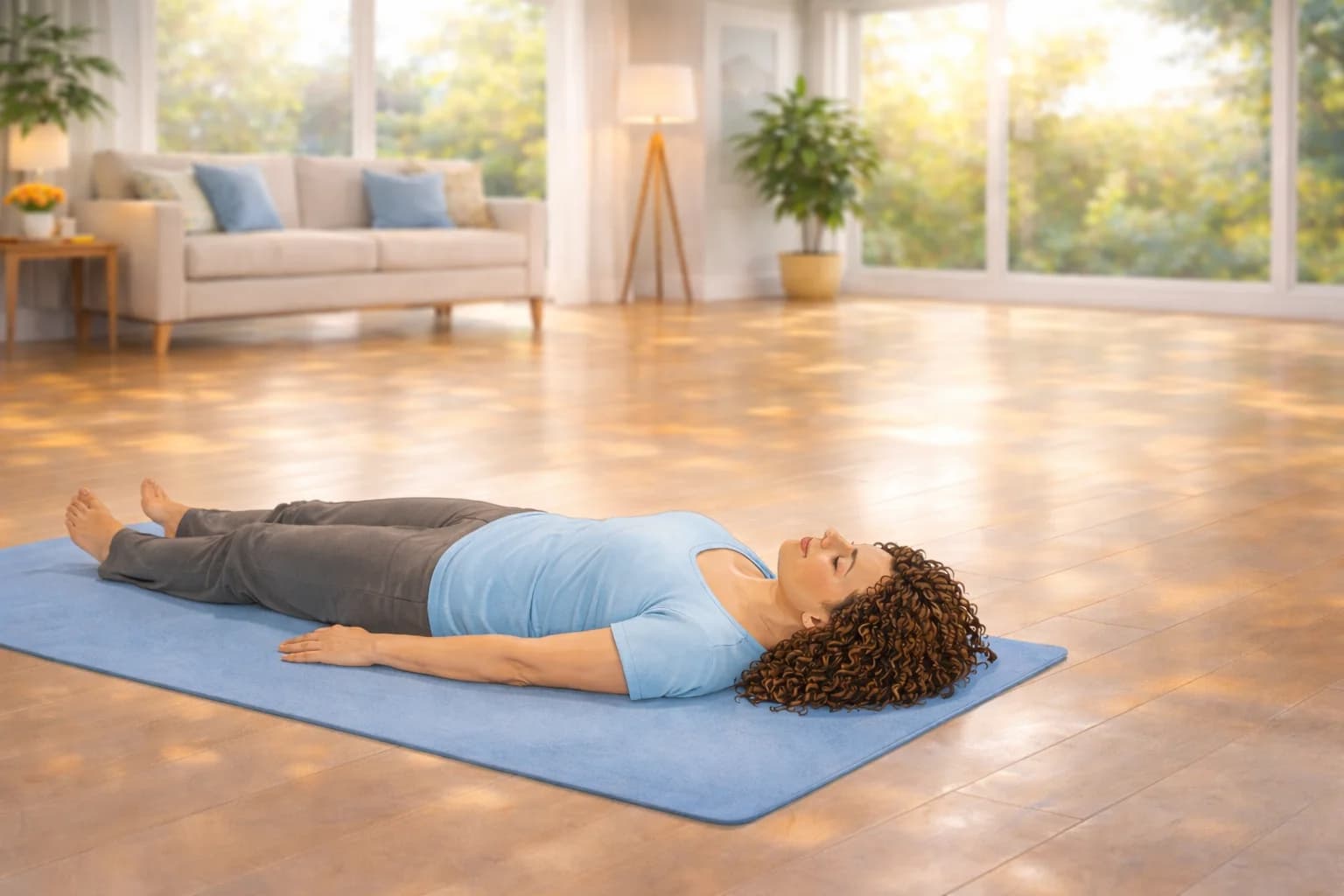
Why Feldenkrais Lessons Are Done Lying on the Floor
Lying down is not just comfortable. It reduces effort, sharpens awareness, and turns the floor into an active partner in movement learning.
One of the most distinctive features of the Feldenkrais Method® is that lessons are frequently performed lying on the floor. For newcomers, this can seem unusual. Most movement practices happen in standing, sitting, or more active positions. But the choice to lie down is not merely about comfort. It serves several specific purposes that make learning easier and more effective.
Reducing muscular effort
In standing, the muscles are constantly working to hold the body upright against gravity. Lying on the floor eliminates this demand, allowing the body to release habitual tension and engage in movement with minimal effort. When effort decreases, the nervous system becomes more sensitive to small differences, and this is where real learning happens.
The Feldenkrais Method® is built on the principle that less effort leads to greater awareness. By taking gravity out of the equation, the floor creates the conditions for finer, more precise movement.
Heightened body awareness
When the body is no longer preoccupied with maintaining balance and posture, attention becomes available for subtler sensations. Small movements, slight shifts, and delicate changes in the body become perceptible in ways that are harder to notice in standing.
This heightened sensitivity is one of the reasons the Feldenkrais Method® is so effective for people dealing with chronic pain or stress-related tension. When you can sense more, you can change more.
The floor as a reference point
The contact between the body and the floor provides immediate, continuous feedback. You can sense which parts of the body are touching the floor, where there is space, what feels heavy and what feels light. This feedback supports body mapping and self-awareness.
Before and after each lesson, you are often invited to simply lie still and notice the contact between your body and the floor. The differences you sense after moving, one side longer, one shoulder more settled, the lower back resting differently, are some of the most revealing moments in a lesson.
Disrupting habitual patterns
In standing, the body tends to fall back on familiar, automatic movement habits. The lying position creates an unfamiliar context that invites the nervous system to explore new movement possibilities and let go of ingrained patterns.
This is not about doing something "better." It is about discovering options you did not know you had. When the usual demands of gravity and balance are removed, the nervous system has space to experiment.
Newton's Third Law: the floor as an active partner
According to Newton's Third Law, every force has an equal and opposite reaction. When you push against the floor, the floor pushes back with equal force.
Lying down distributes the body's contact with the floor across a large surface area: the back of the head, the spine, the pelvis, the legs. The reaction force is spread evenly, so the muscles require far less effort to manage it.
When movement is initiated by pushing through the floor, through a foot or a hand, the floor's reaction travels through the skeleton and spine, supporting and transmitting the movement efficiently. The floor is not a passive surface. It is an active partner in movement.
Accessibility
Lying down makes movement accessible to people with pain, fatigue, or physical limitations who may find standing or sitting for extended periods difficult. There is no need for strength, endurance, or flexibility. You simply lie down and follow the guidance.
This is one of the reasons Feldy's online program uses audio-guided lessons done lying down. It makes the method accessible to anyone, regardless of age or physical condition.
Together, these qualities make the floor an ideal environment for learning: a place where effort decreases, awareness increases, and new movement possibilities can emerge.
FAQ about Feldenkrais lessons on the floor
Do I need a yoga mat for Feldenkrais lessons?
A padded surface like a mattress, bed, or thick carpet works best. If a yoga mat on a hard floor feels comfortable to you, that works too. Comfort is what matters most, so your attention stays on sensation rather than the surface.
Can I do Feldenkrais lessons on a bed instead of the floor?
Yes. A bed or mattress is a perfectly good surface, especially if getting down to the floor is difficult. The key is having enough support to relax and enough space to move your arms and legs freely.
Why not do Feldenkrais lessons standing up?
Some lessons are done in standing or sitting, but lying down removes the need to work against gravity. This frees the nervous system to focus on smaller, subtler movements that are harder to sense when the body is busy maintaining balance.
Is Feldenkrais safe for people with back pain?
Yes. The gentle, slow movements are designed to stay within a comfortable range. Many people with chronic back pain find that Feldenkrais lessons help them discover easier ways to move. That said, consult your doctor if you have a specific condition.
How is lying-down Feldenkrais different from yoga savasana?
In savasana, the goal is stillness and relaxation. In a Feldenkrais lesson, lying down is the starting point for active exploration. You make small, deliberate movements guided by voice instructions, noticing how each movement travels through your body.
Start your free 7-day trial
Start free trialMore Articles
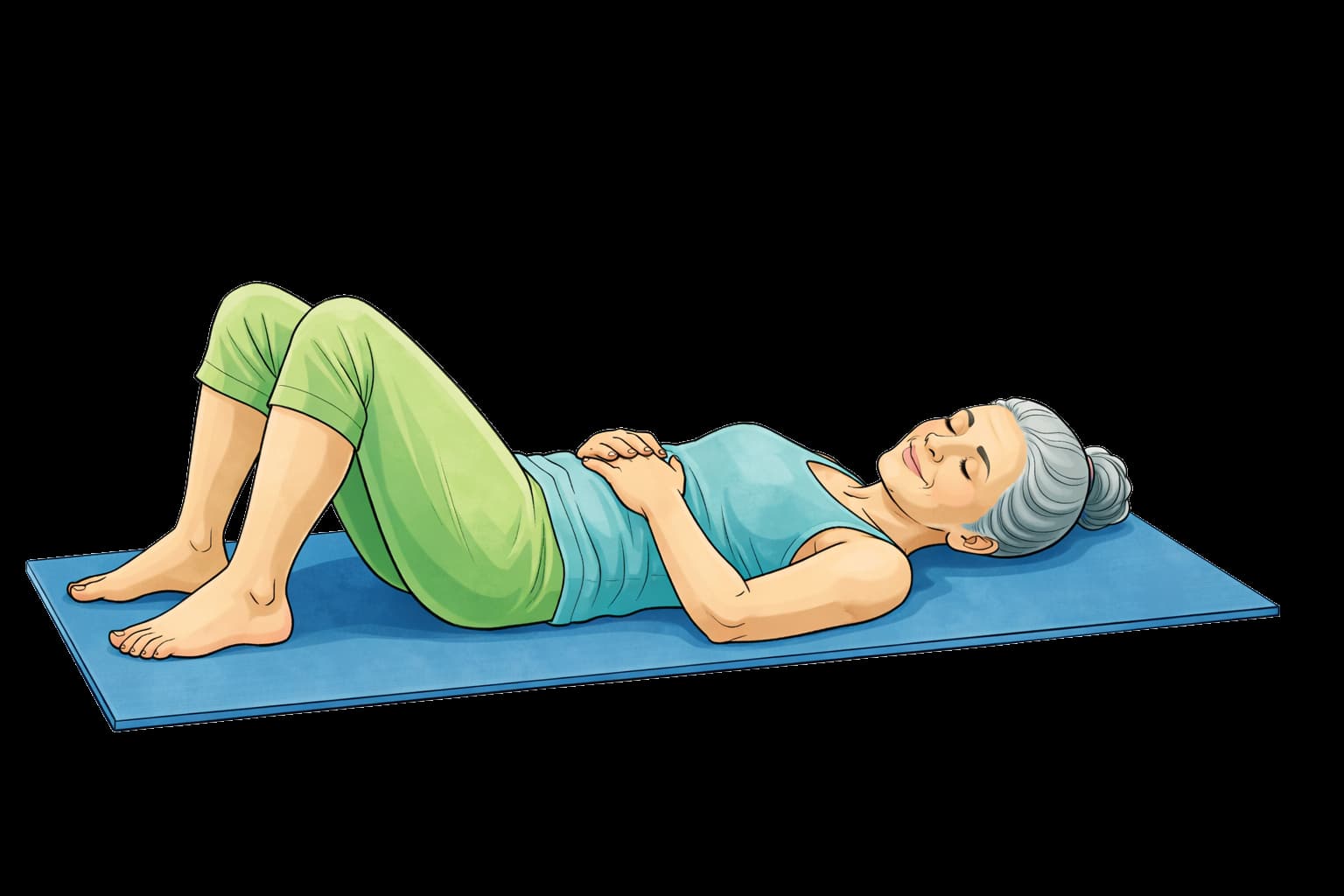
Understanding the Feldenkrais Method®
A gentle introduction to the Feldenkrais Method - what it is, how it works through movement and awareness, and how it helps you move better and feel at ease.
Feb 10, 2026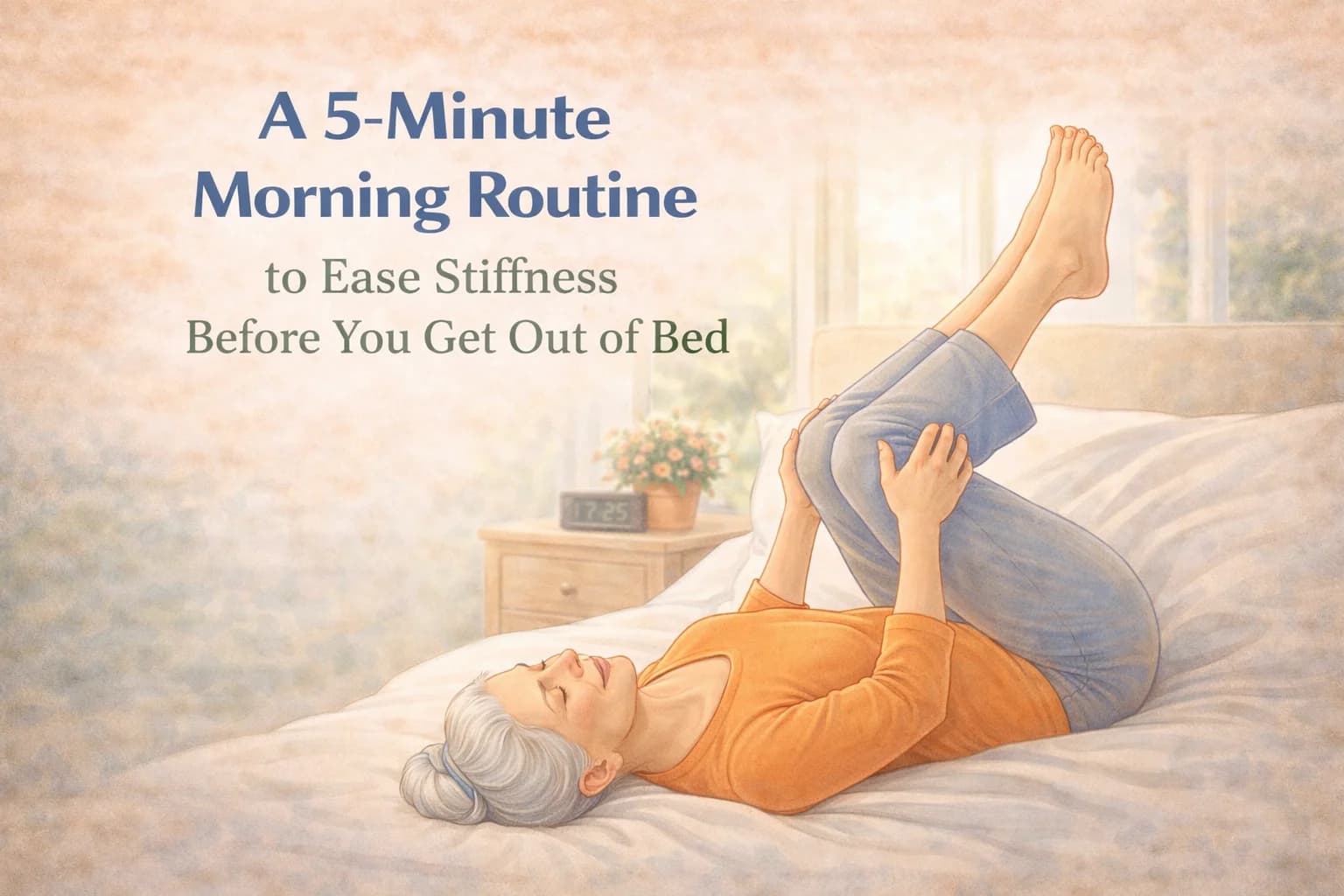
5-Minute Morning Routine to Ease Stiffness in Bed
A gentle Feldenkrais-based morning routine you can do lying in bed - no stretching, no equipment, no effort, just easier movement to ease morning stiffness.
Mar 31, 2026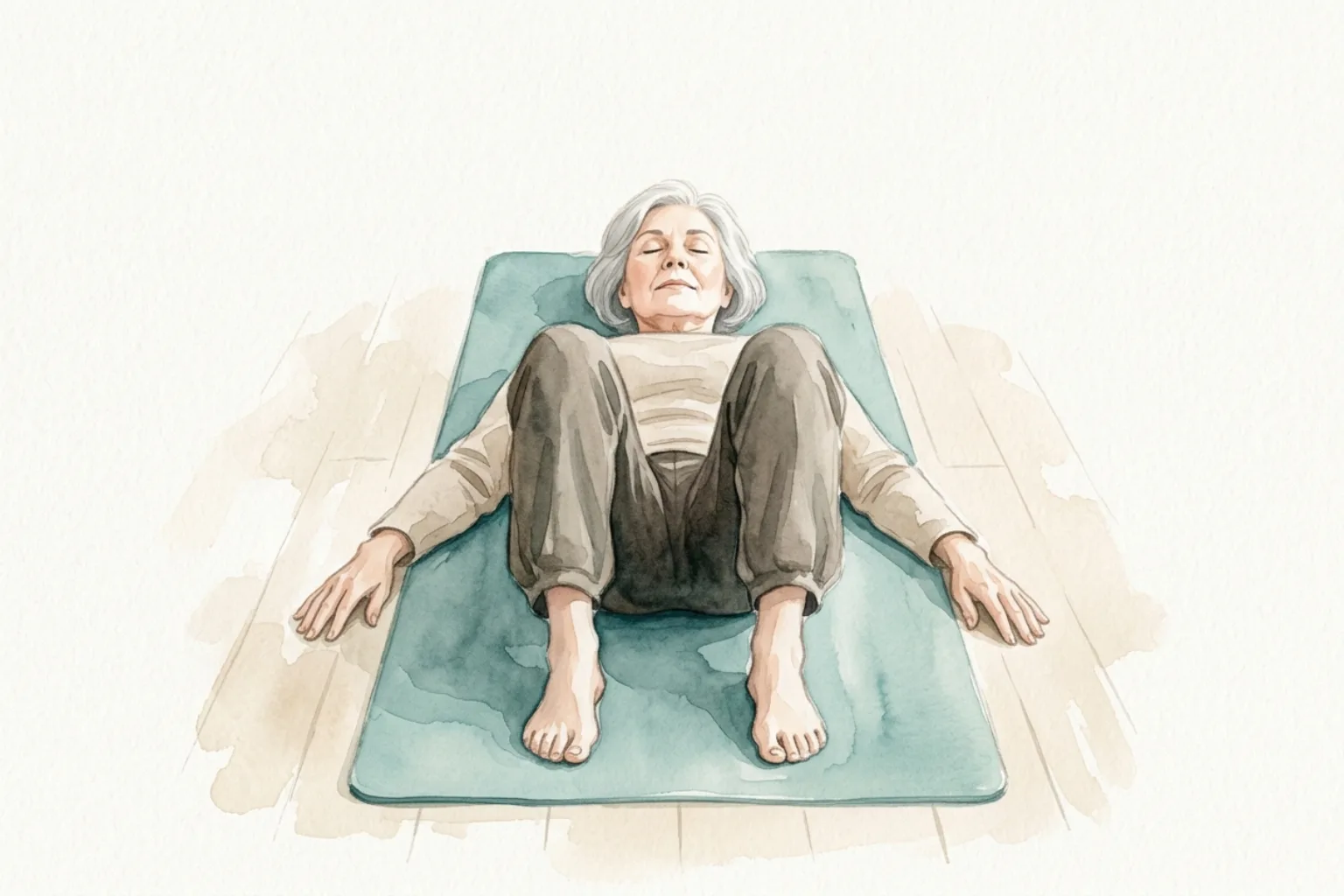
Same Exercises, Plus Awareness: What Two Trials Added to Core Stabilization
Two small trials kept a stabilization program exactly as it was and added a Feldenkrais part. What changed, what did not, and what we still do not know.
Oct 19, 2026Ready to Start Moving Better?
Try your first lesson for free. No credit card required.