
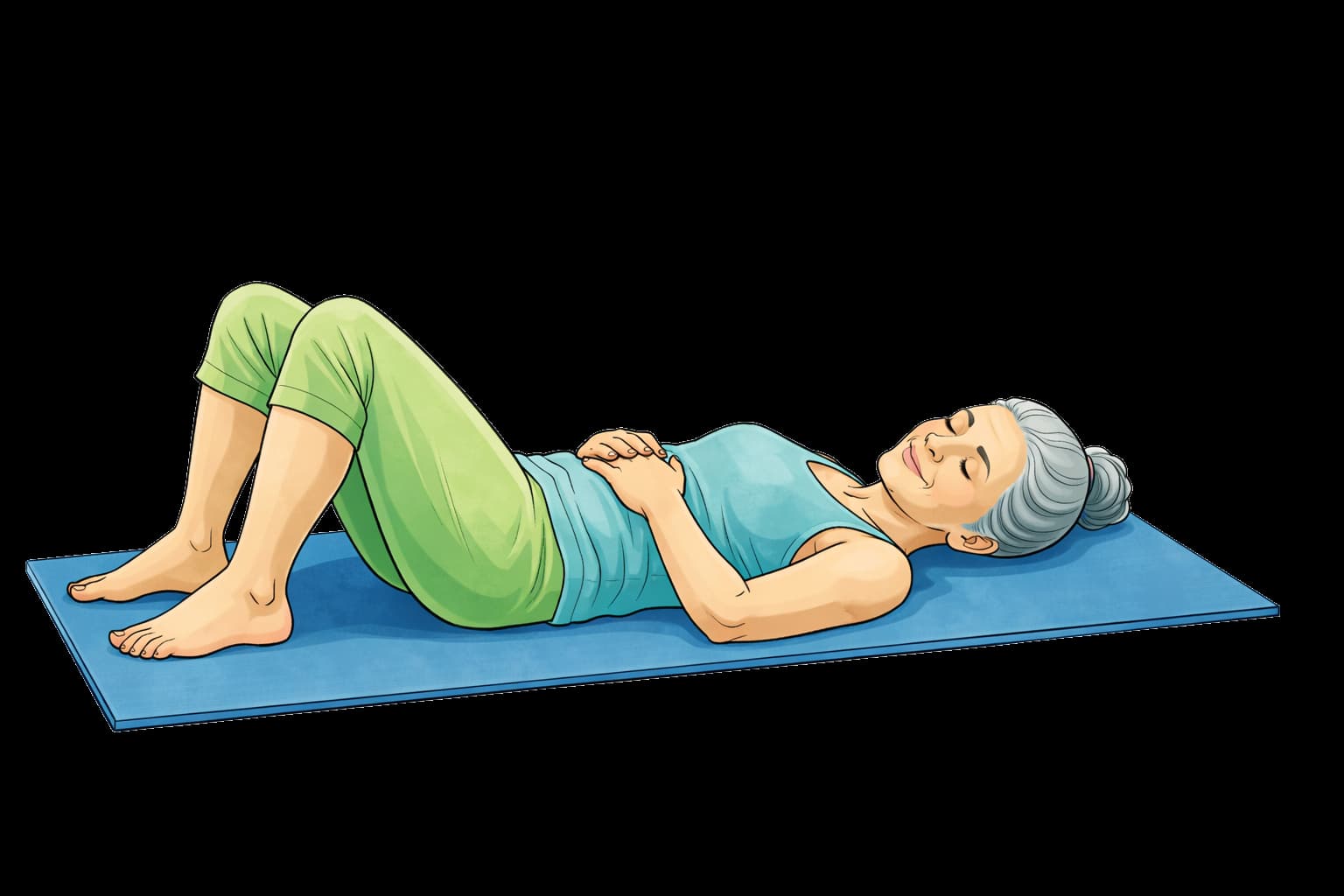
Understanding the Feldenkrais Method®
A gentle introduction to the Feldenkrais Method - what it is, how it works through movement and awareness, and how it helps you move better and feel at ease.
The Feldenkrais Method® of somatic education is a unique approach to movement that helps people improve how they move, feel, and function in daily life. Developed in the mid-20th century by Moshe Feldenkrais, it has since helped millions of people around the world discover more comfortable and efficient ways of moving.
What Makes the Feldenkrais Method Different?
Unlike traditional exercise programs that focus on repetition and intensity, the Feldenkrais Method works through awareness. Instead of pushing your body harder, you learn to move smarter. It uses gentle, exploratory movements to help your nervous system discover new patterns.
This means there's no strain, no pain, and no competition. Just a quiet conversation between your mind and body.
The Two Formats
The Feldenkrais Method is taught in two complementary formats:
Awareness Through Movement® (ATM®)
These are group lessons where a teacher verbally guides you through a sequence of movements. You lie on a mat (or sit in a chair) and follow the instructions at your own pace. Each lesson explores a particular movement theme, like turning, bending, or reaching, and gradually builds toward more complex, integrated actions.
Functional Integration® (FI®)
This is a one-on-one, hands-on approach where a practitioner gently guides your body through movements. It's tailored entirely to your individual needs and can address specific challenges or goals.
Who Can Benefit?
The beauty of the Feldenkrais Method is that it's truly for everyone:
- People with chronic pain who want to find relief through better movement patterns
- Athletes and performers looking to enhance their skills and prevent injury
- Older adults who want to maintain mobility and balance
- Anyone who feels stiff, tense, or limited in their daily movements
The Science Behind It
The Feldenkrais Method is grounded in principles of neuroplasticity, the brain's ability to form new neural connections throughout life. By moving slowly and with attention, you give your nervous system the opportunity to learn and reorganize.
Research has shown that the Feldenkrais Method can help with:
- Reducing chronic pain
- Improving balance and coordination
- Enhancing flexibility and range of motion
- Reducing stress and tension
Getting Started
The best way to understand the Feldenkrais Method is to experience it. A single lesson can give you a glimpse of how it works and how it might help you. Many people report feeling taller, lighter, and more at ease after their very first session.
If you're curious, Feldy's online program offers a convenient way to begin your journey from the comfort of your own home.
FAQ about the Feldenkrais Method®
What is the Feldenkrais Method®?
The Feldenkrais Method® is a form of somatic education developed by Moshe Feldenkrais. It uses gentle, exploratory movement to help your nervous system discover more efficient movement patterns, reducing pain, improving coordination, and increasing ease of movement.
Who can benefit from the Feldenkrais Method®?
Almost anyone: people with chronic pain, older adults wanting to maintain balance and mobility, athletes and performers seeking to refine their skills, and anyone who feels stiff, tense, or restricted in daily life.
What is the difference between ATM® and FI®?
Awareness Through Movement® (ATM®) lessons are verbally guided group classes where you follow movement instructions at your own pace. Functional Integration® (FI®) is a one-on-one hands-on session where a practitioner gently guides your body through movement tailored to your individual needs.
Is the Feldenkrais Method® scientifically supported?
Yes. Research has demonstrated benefits including reductions in chronic pain, improved balance and coordination, enhanced flexibility, and reduced stress. The method is grounded in principles of neuroplasticity, the brain's lifelong ability to form new neural connections.
How is the Feldenkrais Method® different from yoga or Pilates?
Yoga and Pilates involve specific poses or exercises, often with a target form to achieve. The Feldenkrais Method® has no target posture. Instead, it uses slow, exploratory movement to help your nervous system learn, making it gentler and more adaptable to individual limitations.
How do I get started with the Feldenkrais Method®?
The easiest way is to try an Awareness Through Movement® lesson. Feldy offers a free introductory lesson online. No equipment, no signup required. A single session often gives a clear sense of how the method feels and what it can do.
Start your free 7-day trial
Start free trialMore Articles
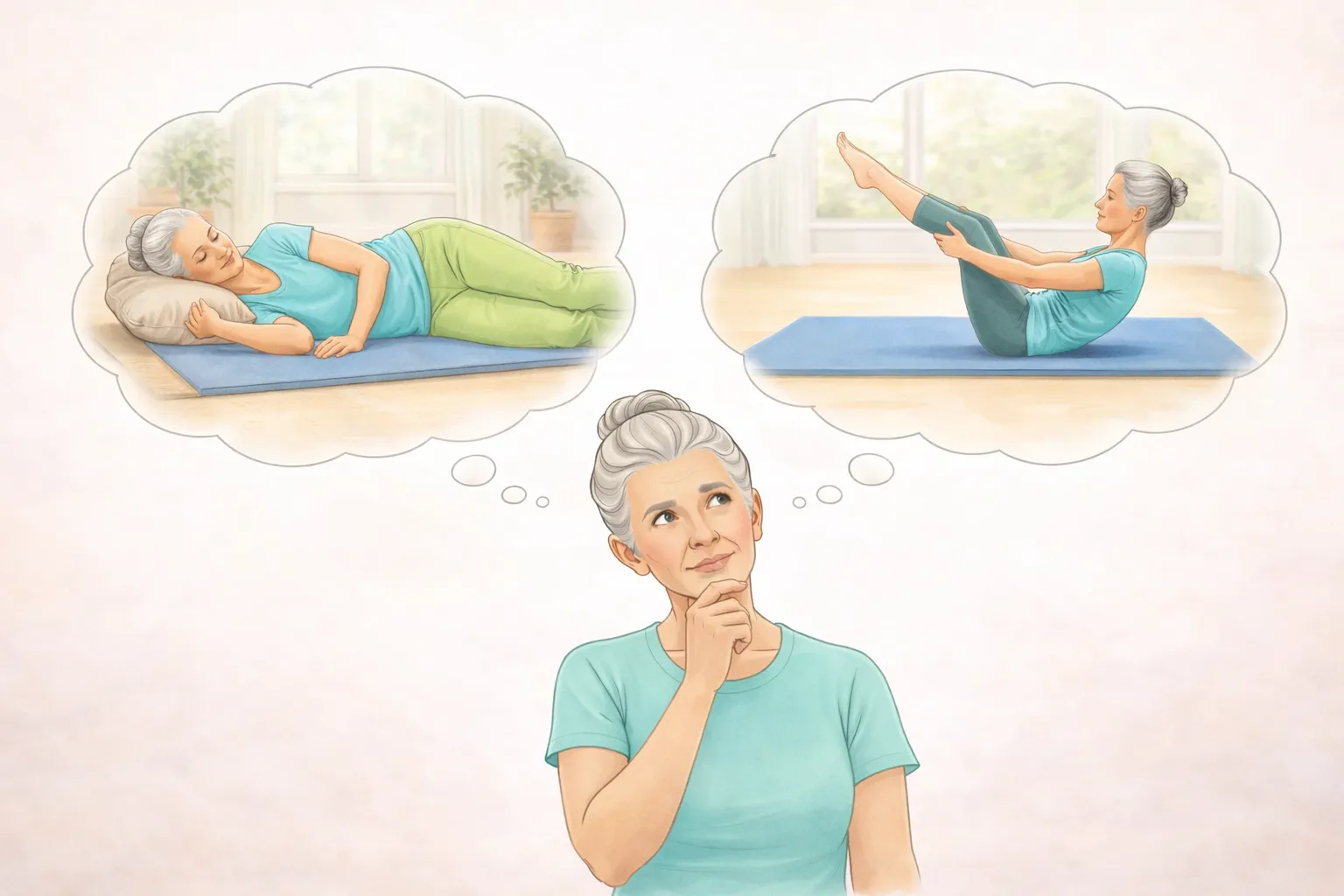
Feldenkrais vs Pilates: How to Choose
A side-by-side comparison of two popular movement methods, how they differ in philosophy and practice, what research says, and how to choose between them.
Apr 17, 2026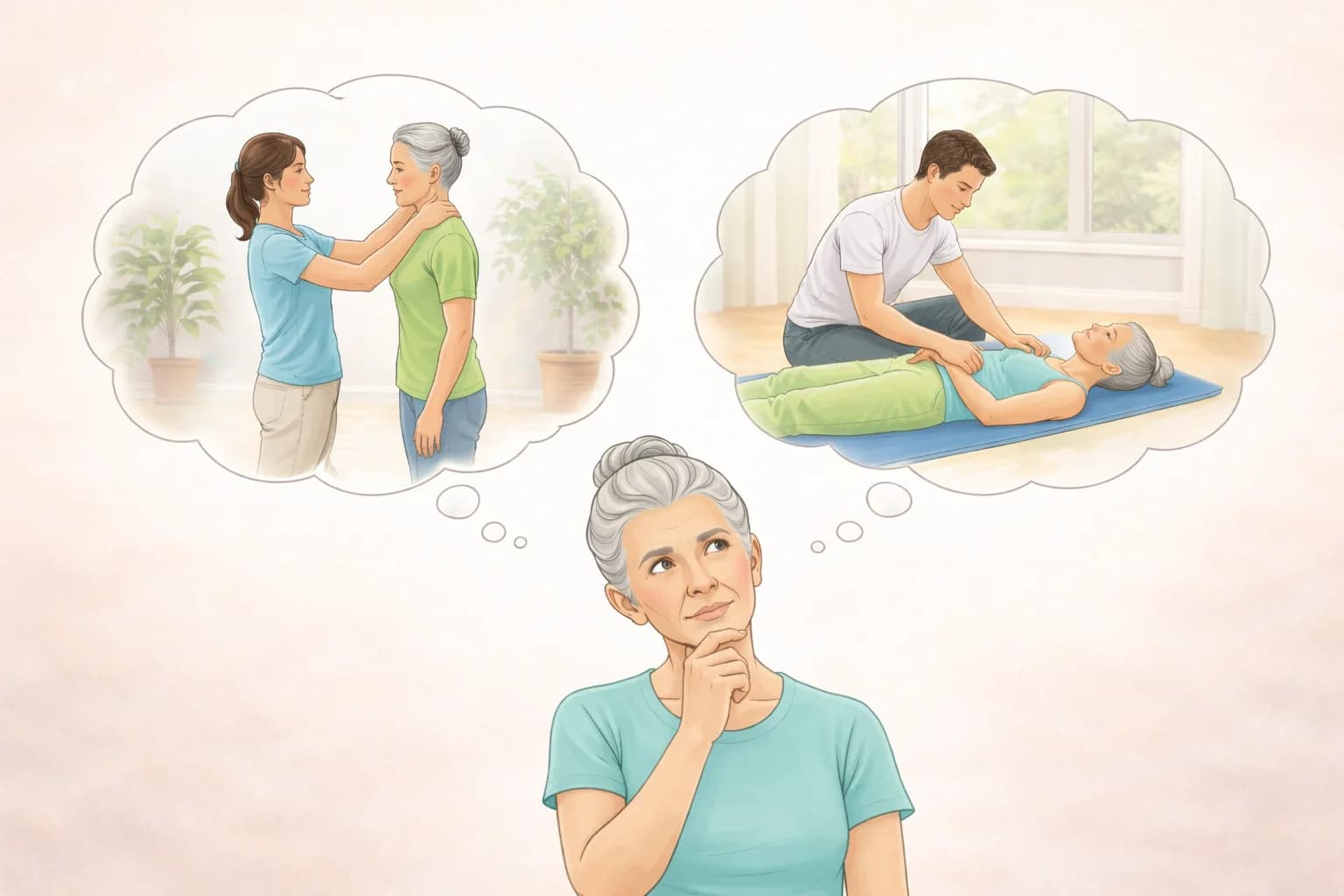
Alexander Technique or Feldenkrais? What Each Feels Like From the Inside
What a lesson of each method feels like from the inside, what the research says, and how to choose the one that suits the way you learn.
Apr 6, 2026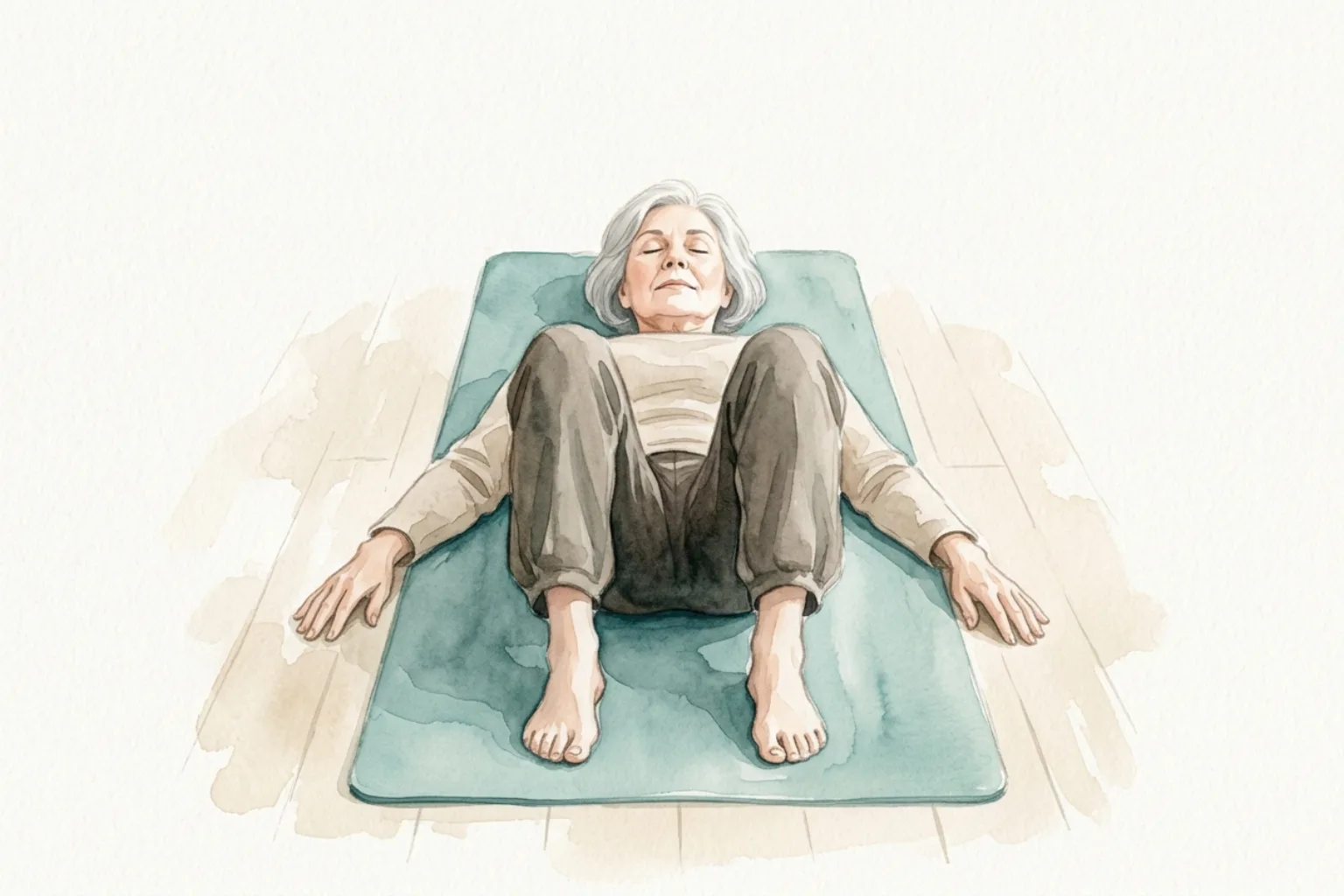
Same Exercises, Plus Awareness: What Two Trials Added to Core Stabilization
Two small trials kept a stabilization program exactly as it was and added a Feldenkrais part. What changed, what did not, and what we still do not know.
Oct 19, 2026Ready to Start Moving Better?
Try your first lesson for free. No credit card required.