
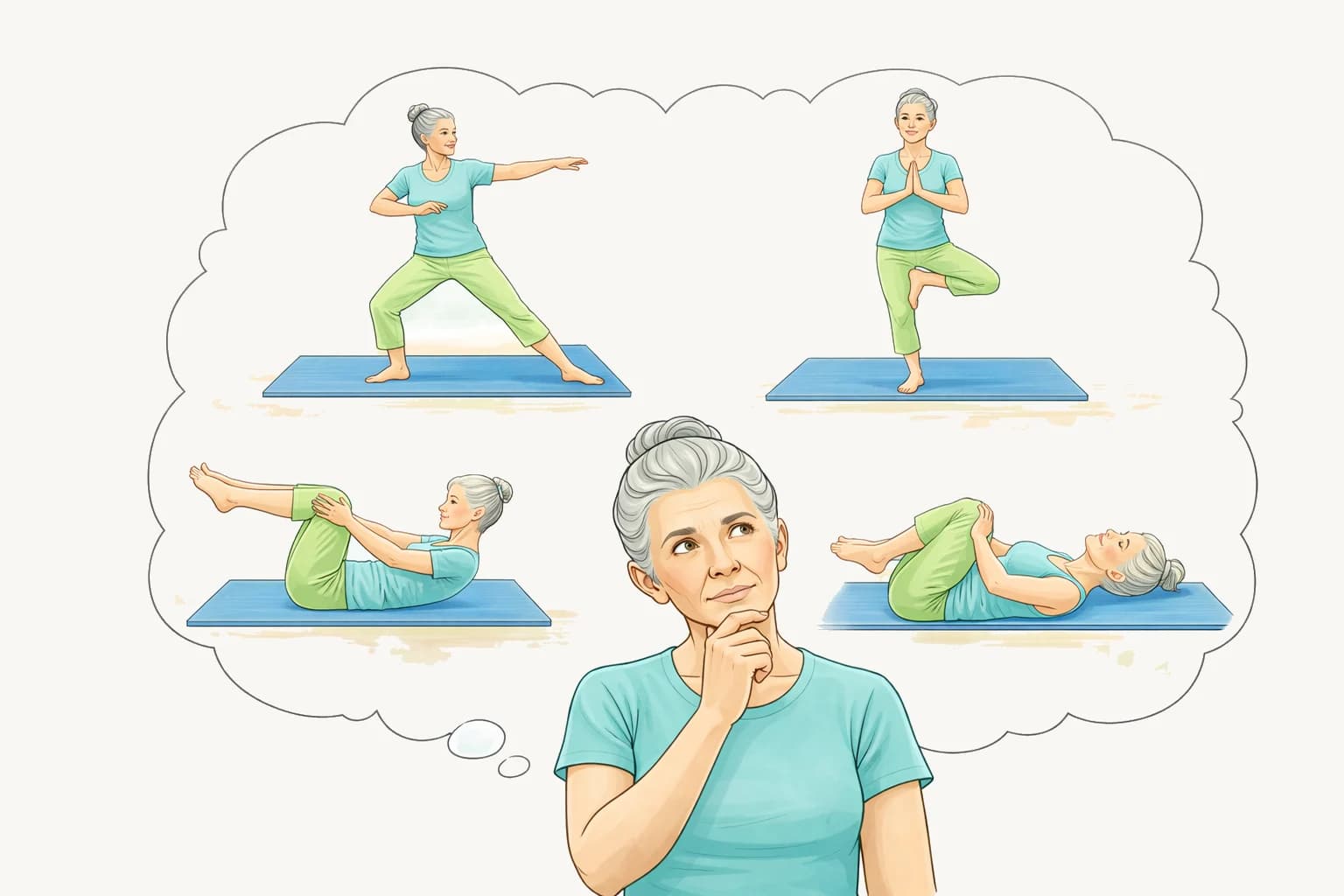
Which Movement Method Is Right for You?
Yoga, Pilates, Tai Chi, Alexander Technique, Feldenkrais Method - which one fits your body and goals? Take our 2-minute quiz to find your movement match.
 Chava SoraniGuild Certified Feldenkrais Practitioner (GCFP)
You know you want to move more. You might even know why: less pain, better balance, more ease in daily life. But then comes the harder question: which kind of movement?
The options feel endless. Yoga. Pilates. Tai Chi. The Alexander Technique. The Feldenkrais Method®. Each has devoted practitioners. Each promises real benefits. And each is genuinely different from the others. They differ not just in what they look like, but in what they're actually trying to do, who they're best suited for, and how much physical demand they place on your body.
For most people, this is where the research starts and often stalls. You read a few articles, feel more confused than before, and end up doing nothing.
Why "Just Try Something" Isn't Great Advice
The common advice is to just pick one and start. And while that's better than paralysis, it misses something important: the wrong fit can be discouraging, uncomfortable, or even counterproductive.
Someone dealing with chronic back pain who jumps into a demanding yoga class may walk away convinced that movement just isn't for them. Someone who needs strength and structure might find a gentle somatic practice frustratingly subtle at first. Someone recovering from injury needs something completely different from an athlete looking to improve performance.
The method matters. So does the match.
Five Methods, Five Different Philosophies
Here's a quick sense of how these approaches differ:
- The Feldenkrais Method® works through attention and awareness: gentle movements done slowly enough for your nervous system to learn from them. No strain, no target poses. Best for pain, neurological conditions, post-injury recovery, and anyone who needs to start very gently.
- Yoga combines movement, breath, and stillness. Enormous variety, from deeply restorative to physically demanding. Great for flexibility, stress, and general wellbeing, but requires some selectivity about style.
- Pilates focuses on core strength, alignment, and controlled movement. More structured and physically demanding than the others. Excellent for building stability and recovering from certain injuries with proper guidance.
- Tai Chi uses slow, flowing sequences rooted in martial arts. Outstanding evidence for balance and fall prevention in older adults. Very accessible once you learn the forms.
- The Alexander Technique addresses habitual tension and posture through refined awareness of how you carry yourself. Particularly valued by performers, musicians, and people with chronic tension patterns.
Each of these is genuinely valuable. None of them is right for everyone. If you find yourself torn between the two awareness practices in particular, our comparison of the Alexander Technique and Feldenkrais Method walks through how they differ in practice. And if your choice comes down to Feldenkrais or yoga, our look at how the method Moshe Feldenkrais developed compares with yoga sets them side by side. If you are curious about the man behind the method, our explainer on Moshe Feldenkrais tells his story.
Introducing Movement Match
We built Movement Match to help you cut through the noise.
It's a short, two-minute quiz that asks about your body, your goals, your current limitations, and your preferences. At the end, it gives you a personalised recommendation: which method is most likely to be a good fit for you, and why.
It doesn't replace doing the research or working with a practitioner. But it gives you a sensible starting point, grounded in what actually differentiates these methods, not marketing language.
What the Quiz Asks
Movement Match considers things like:
- Whether you're dealing with pain, recovering from injury, or simply want to move better
- How much physical exertion you're looking for (or can manage)
- Whether you prefer structure or open exploration
- Your goals: stress relief, balance, strength, body awareness, performance
- Your age and activity level
The result isn't a verdict. It's a nudge in the right direction.
A Good Starting Point, Whatever You Choose
Even if you already have a sense of what you want to try, it's worth taking two minutes to see what comes up. Many people are surprised by the result. Some confirm what they suspected. Either way, it tends to sharpen the thinking.
And if the quiz points you toward the Feldenkrais Method®, we have a free lesson ready for you whenever you are.
FAQ about Choosing a Movement Method
What is the difference between yoga and the Feldenkrais Method®?
Yoga works toward specific poses and combines movement with breath and stillness. The Feldenkrais Method® has no target posture. It uses slow, exploratory movement to retrain habitual patterns in the nervous system. Yoga demands more physical flexibility; the Feldenkrais Method® is accessible at any level of ability.
Which movement method is best for chronic back pain?
The Feldenkrais Method® has the strongest evidence for chronic pain, particularly back pain, because it addresses the movement habits that often cause it rather than just the symptoms. Pilates can also help if the issue is core stability. Tai Chi is well-supported for balance and general mobility in older adults.
Is Pilates or the Feldenkrais Method® better for posture?
Both can improve posture, but through different routes. Pilates builds the core strength and alignment needed to hold better posture. The Feldenkrais Method® works on the habitual tension and movement patterns that create poor posture in the first place. For long-term change with less effort, the Feldenkrais Method® is often a better fit.
What is the Alexander Technique and who is it best for?
The Alexander Technique focuses on releasing habitual tension in how you carry yourself, particularly in the neck, head, and spine. It is especially valued by musicians, actors, and people with chronic tension or performance-related injuries. It tends to be taught one-on-one rather than in groups.
Can I practise more than one method at a time?
Yes. Many people combine approaches, for example using the Feldenkrais Method® alongside yoga for flexibility and stress relief. The methods are not mutually exclusive.
How accurate is the Movement Match quiz?
The quiz provides a personalised starting point based on your age, goals, activity level, and any conditions you're dealing with. It reflects the key differences between the methods rather than marketing claims. That said, it's a nudge in the right direction. The best way to know if a method suits you is to try it.
Start your free 7-day trial
Start free trialMore Articles
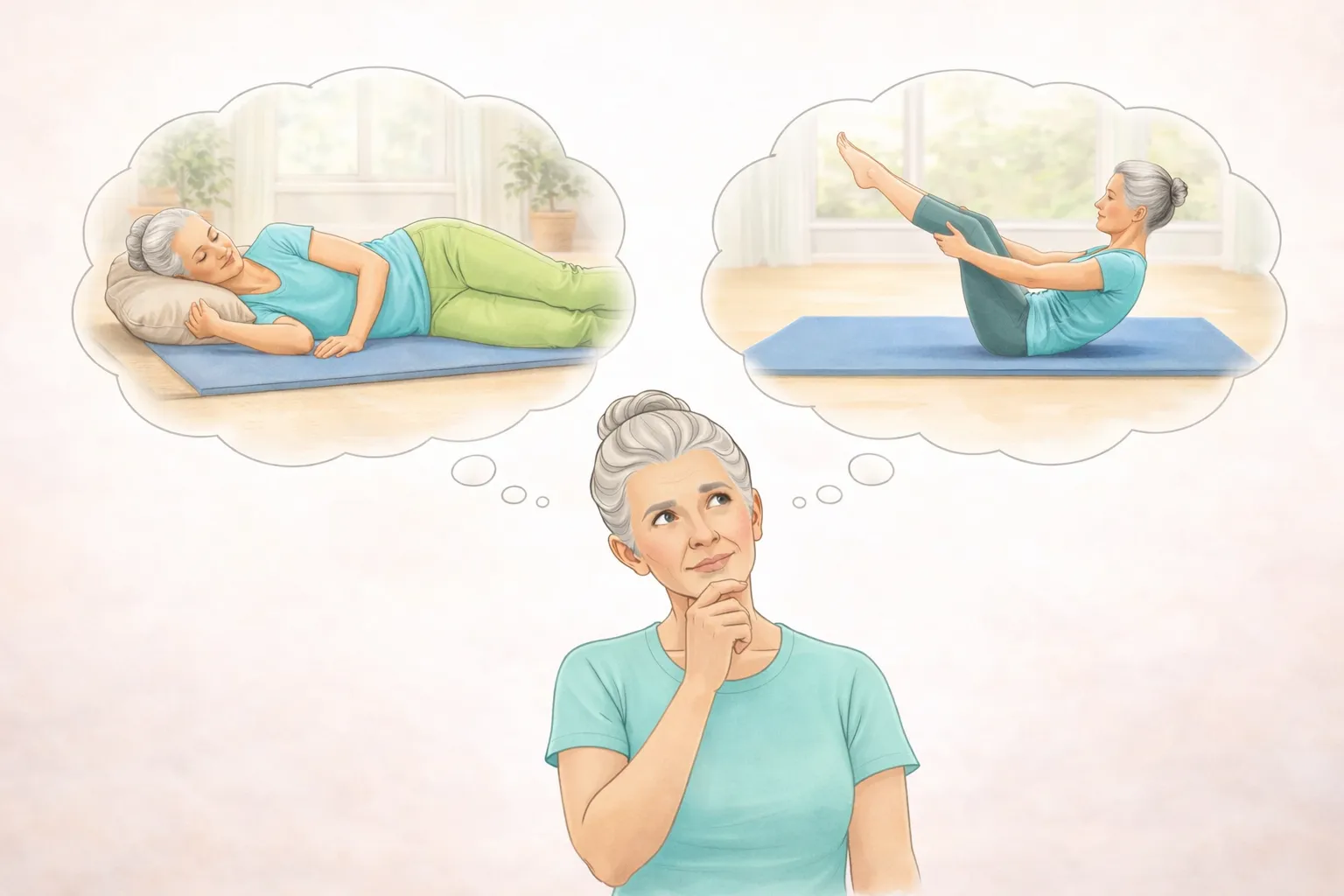
Feldenkrais vs Pilates: How to Choose
A side-by-side comparison of two popular movement methods, how they differ in philosophy and practice, what research says, and how to choose between them.
Apr 17, 2026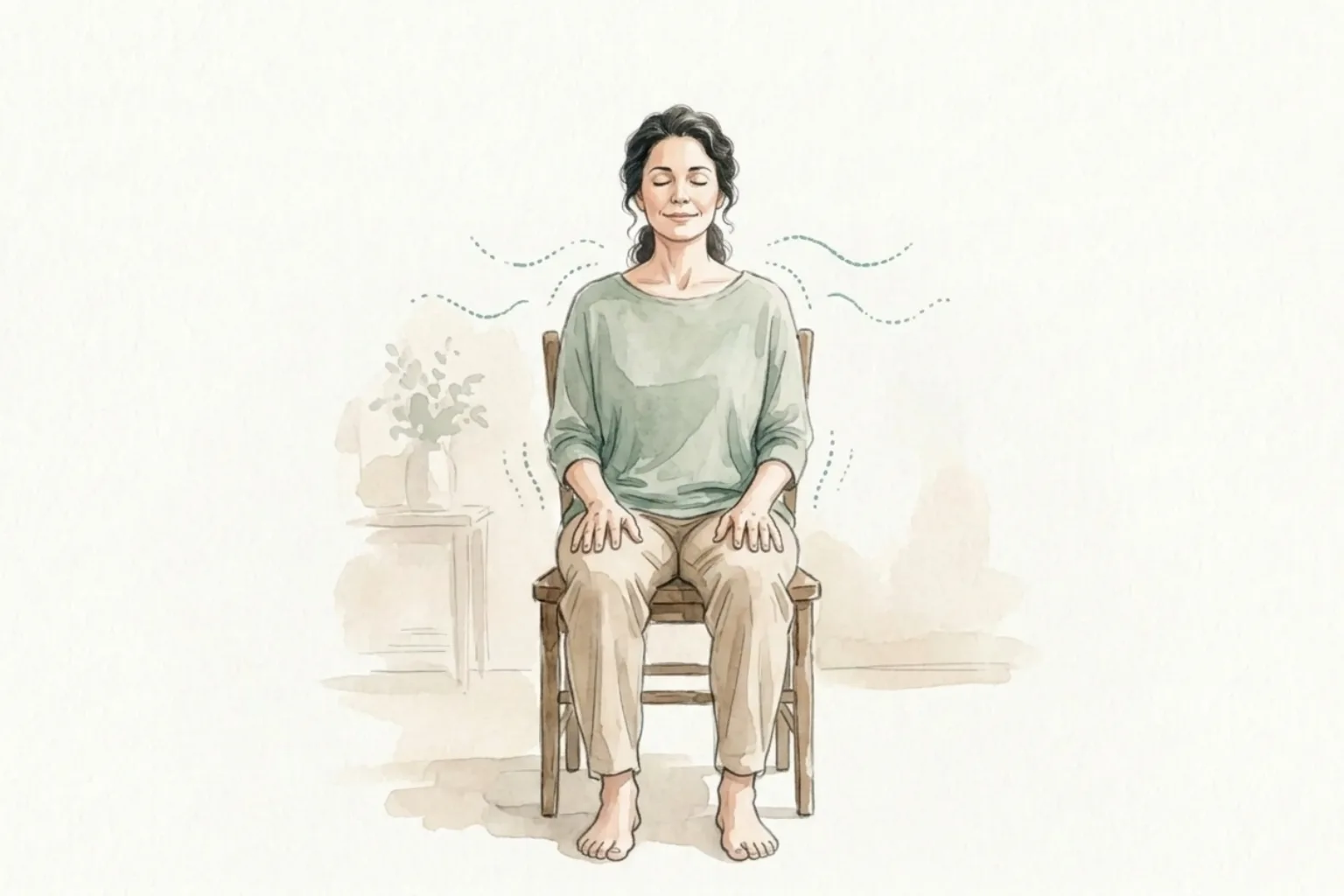
Hypermobile and Always Bracing? Feeling Steady With Less Effort
Why hypermobile joints can feel tight, why stretching the tightness often doesn't help, and a gentle way to notice your bracing between physio sessions.
Oct 26, 2026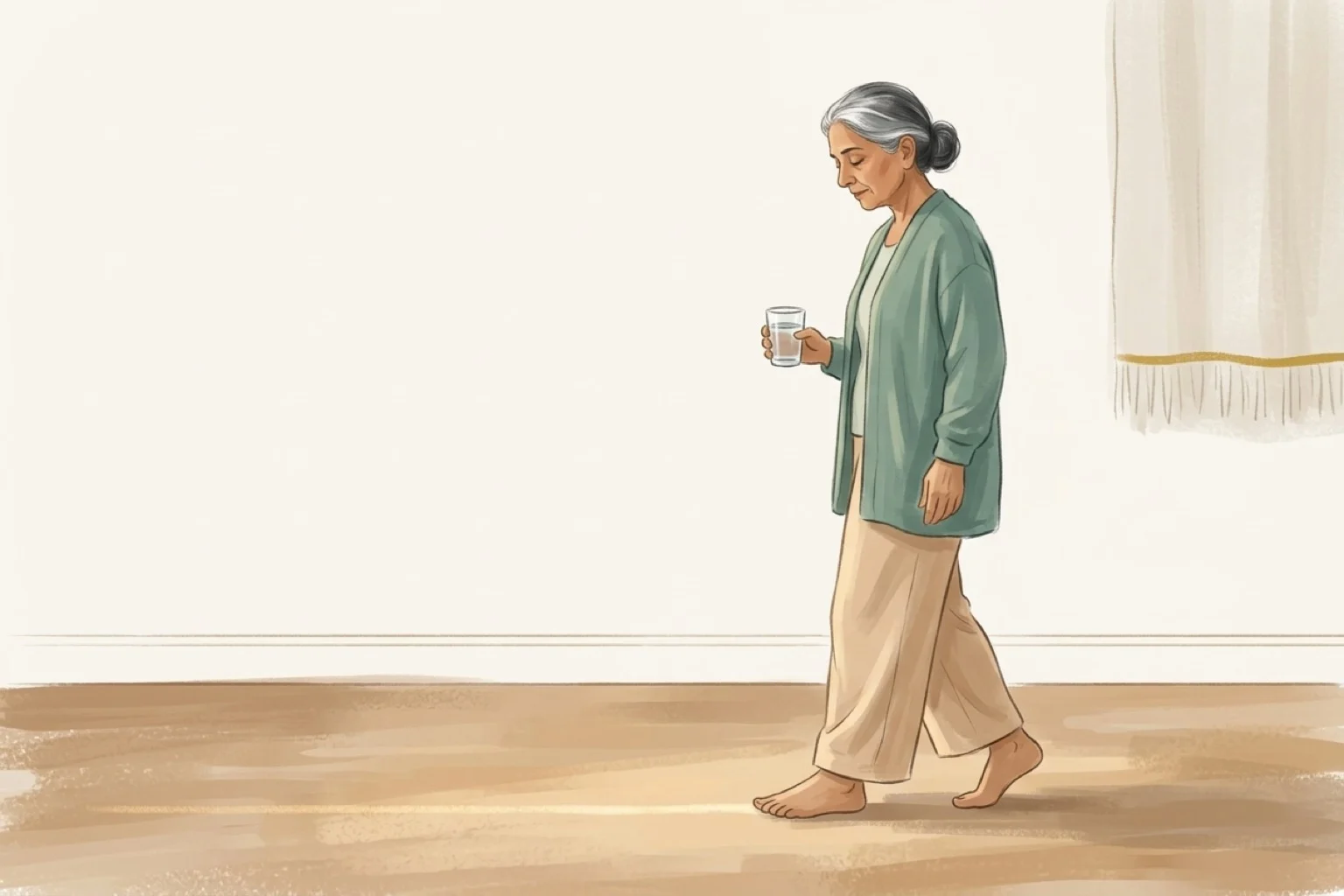
Four studies on thinking after 60 point to attention, not effort
Slow practice, balance work and unusual walks each gave thinking a lift in recent research. What they share is where the attention goes.
Oct 23, 2026Ready to Start Moving Better?
Try your first lesson for free. No credit card required.