

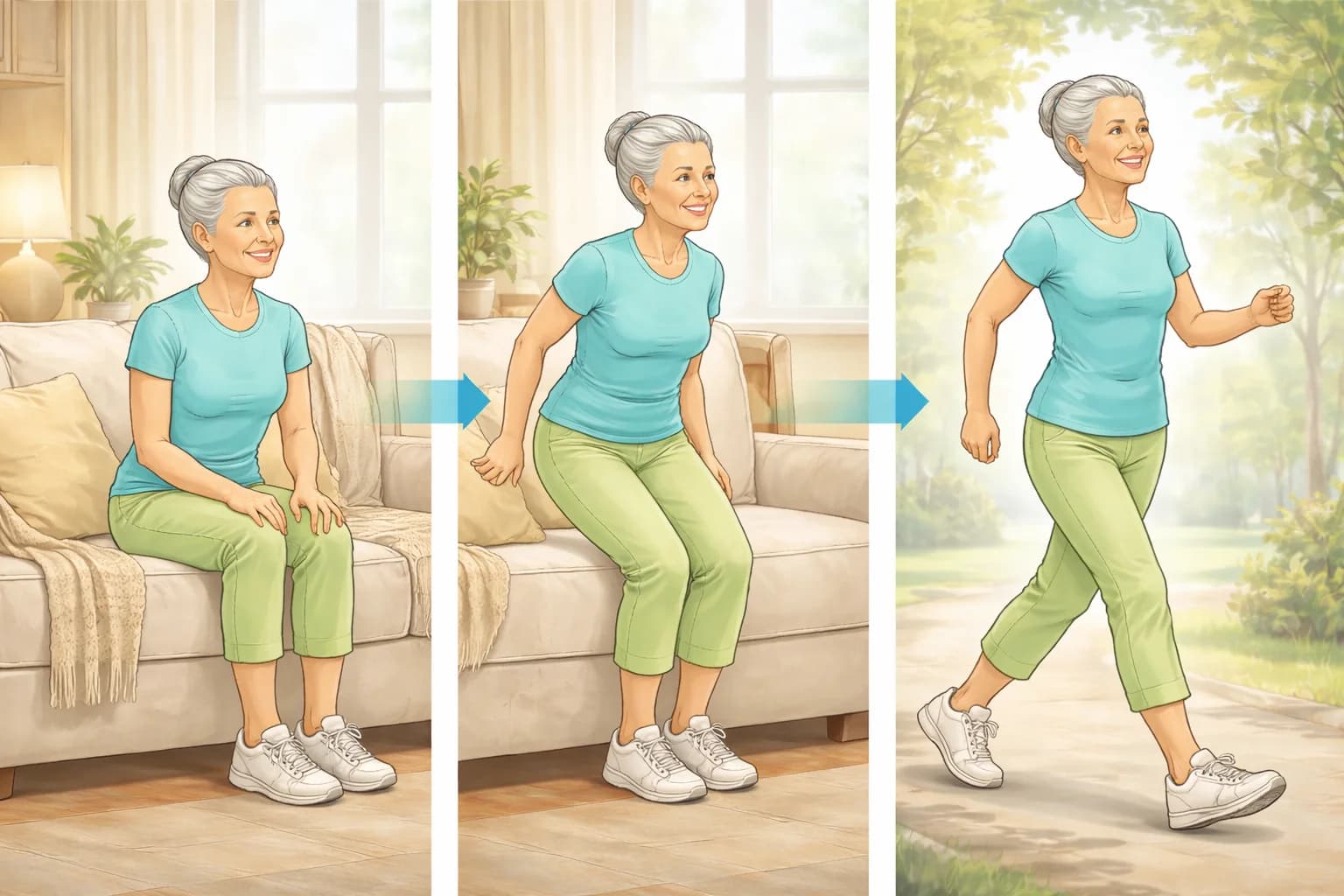
Getting Active Again After 60: A Gentle Way Back to Movement
If surgery, retirement, or COVID slowed you down, you are not alone. Discover how Feldenkrais eases stiffness and gently reignites your active life.
You used to be active. Maybe you walked every morning, worked in your garden for hours, or kept up with a weekly yoga class. You felt capable in your body. Then something interrupted all of that.
Perhaps it was a surgery that required weeks, or months, of careful recovery. Perhaps it was retirement, which shifted your entire daily structure and, without you fully noticing, shifted your movement habits too. Or maybe it was COVID, those long months of staying home that quietly turned into staying still. Whatever the cause, the path back to movement does not have to be hard. The Feldenkrais Method® offers a gentle way to begin again.
Getting back to being active after 60 can feel surprisingly difficult. Not because you lack the will. But because your body, somewhere along the way, seemed to forget how easy movement used to feel.
Why the First Step Back Feels So Hard
According to the CDC, nearly 28% of adults over 50 are physically inactive. Among women who have gone through a major life disruption, that number is even higher. And the longer the pause, the harder it can feel to restart.
The reason is not simply weakness or stiffness in the muscles. It runs deeper than that. When the body stops moving freely, the nervous system adapts. It starts to treat movement as something cautious, something to be approached carefully. Joints that used to swing freely now feel guarded. Postures that were effortless now require noticeable effort. Your body is not broken. It has just learned a more restricted version of itself.
This is why telling yourself to "just start moving again" rarely works. The barrier is not motivation. It is the quiet tension your nervous system is holding onto without you even realizing it.
What the Feldenkrais Method® Actually Does
The Feldenkrais Method® does not work by pushing the body to do more. It works by teaching the nervous system to let go of what it no longer needs.
During a lesson, you are guided through small, slow, exploratory movements, usually lying down. There is no strain. Nothing to count or repeat. The movements are often so gentle they feel almost like thinking about moving rather than actually doing it. That gentleness is the point. When movement is effortless, your nervous system pays attention in a completely different way. It stops bracing. It starts learning.
Over time, something shifts. Movements that felt stiff become easier. Range that seemed gone quietly returns. And perhaps most importantly, the body begins to feel like a safe place to be active again, rather than something to manage.
Research supports this. A 2015 randomized controlled trial published in the Journal of Bodywork and Movement Therapies found that Feldenkrais participants showed significant improvements in mobility, balance, and self-reported ease of movement compared to control groups, without any high-intensity exercise.
The Ignition Effect: How Feldenkrais Reignites Activity
One of the most consistent things people report after starting Feldenkrais is something unexpected. Not just that they move better in the lessons themselves, but that they find themselves wanting to move more throughout the day.
They take the stairs without thinking about it. They reach for something on a high shelf and realize there was no hesitation. They go for a walk, and it does not feel like an effort to begin.
This is the ignition effect. When your body is no longer working against itself, when the tension and guardedness release, movement becomes inviting again rather than daunting. You do not need to force yourself out the door. Your body simply starts to want to go.
This is how Feldenkrais supports getting back to a more active life: not by adding exercise on top of stiffness, but by removing the stiffness that was making activity feel hard in the first place.
After Surgery: Relearning to Trust Your Body
Post-surgical recovery often involves careful limitation. You protect the area. You compensate. You develop new habits to avoid pain. These are sensible, natural responses. But they can linger long after the healing is complete.
Many women find themselves months, or even years, after a hip replacement, a knee surgery, or an abdominal procedure, still moving as though they are protecting something that no longer needs protecting. The body remembers the old instructions even when the situation has changed.
The Feldenkrais Method® gently revisits those patterns. It helps the nervous system update its map of the body, rediscovering what is now available and releasing the compensations that were once necessary but are no longer serving you. If you are in post-surgery movement recovery, Feldenkrais can be a powerful companion to whatever medical care you are already receiving.
After Retirement or COVID: When Stillness Becomes a Habit
Retirement removes the built-in structure that kept many of us moving without thinking about it. The walk to the car. The stairs at work. The physical demands of being somewhere every day. When that disappears, movement has to become intentional, and intentional movement is much harder to sustain.
COVID added another layer. Lockdowns broke routines, closed gyms and classes, and made the home the entire world for months at a time. Studies published in Sports Medicine found that physical activity levels among adults over 60 dropped significantly during the pandemic and have been slow to fully recover.
Movement decline with age is not inevitable. But it does require a kind of reentry. And the best reentry is one that feels good, not one that demands you push through discomfort right from the start.
If fatigue or a persistent lack of energy has been part of your experience, Feldenkrais addresses that too. The nervous system calming that comes from these gentle lessons often leads to better sleep and more energy throughout the day.
What Getting Started Looks Like
A Feldenkrais lesson does not look like exercise. You lie on your back, or sometimes your side, on a comfortable surface. A voice guides you through slow, curious movements. You might spend ten minutes exploring how your foot and ankle connect to your lower back. You might notice how tilting your pelvis slightly changes the tension in your shoulders.
Nothing hurts. Nothing is forced. You rest when you want. You follow along at your own pace.
Many women say the first lesson surprises them. They expected gentle exercise and found something closer to a conversation with their own body. A kind, patient conversation that their body had been waiting to have.
The Feldy online movement program is built around this experience. Guided audio lessons at your own pace, with daily rituals for morning and evening, and an extended library to grow into. It is designed to fit around your life, not demand that you restructure it.
Ready to Take the First Step?
Try a free guided lesson today. No equipment, no experience needed. Just a comfortable place to lie down.
Try a Free LessonWhat to Expect in the First Few Weeks
The first lesson often produces a noticeable sense of ease, a lightness or spaciousness in the body that is hard to describe but immediately recognizable. Some women notice it in how they stand up from a chair, or how they turn their head, or in a simple reduction in the tension they carry in their shoulders.
Over four weeks or more, these small changes accumulate. Flexibility that felt limited tends to return not through stretching, but through the nervous system learning to release what it no longer needs to hold. Balance often improves quietly, without any specific balance exercises. And the motivation to move more, to go outside, to be active, tends to follow naturally.
You do not need to be ready. You do not need to feel well enough or strong enough. The whole point of Feldenkrais is that it meets you exactly where you are.
FAQ about Getting Active Again After 60 with Feldenkrais
Is the Feldenkrais Method® safe if I have not exercised in a long time?
Yes. The Feldenkrais Method® is specifically designed for people who are not athletic or conditioned. Lessons are done lying down or sitting, with the smallest and most gentle movements imaginable. There is nothing to push through and nothing to force.
Can Feldenkrais help me get active again after surgery?
Many people use the Feldenkrais Method® as part of their post-surgical recovery, often alongside physical therapy. It helps retrain movement patterns that tightened or changed during the recovery period, and it is gentle enough to begin even when you are still limited.
How is Feldenkrais different from stretching or yoga?
Stretching and yoga typically work by lengthening muscles directly. Feldenkrais works differently: it sends new information to your nervous system, which then releases unnecessary tension on its own. You are not forcing your body to change. You are teaching it to.
How long before I notice a difference?
Many people notice something after their very first lesson: a sense of ease, a little more range, a lighter feeling in their joints. Lasting change in movement patterns typically builds over 4 weeks or more of regular practice.
I feel stiff and tired every morning. Will this help?
Morning stiffness and fatigue are among the most common things Feldenkrais addresses. The daily movement rituals in Feldy's program are specifically designed for this, helping your body transition gently from rest to movement.
Do I need any equipment or a certain fitness level to start?
No equipment and no fitness level required. All you need is a comfortable place to lie down, like a bed or a mat, and about 30-40 minutes. The lessons are designed to be accessible regardless of your current condition.
Start your free 7-day trial
Start free trialMore Articles
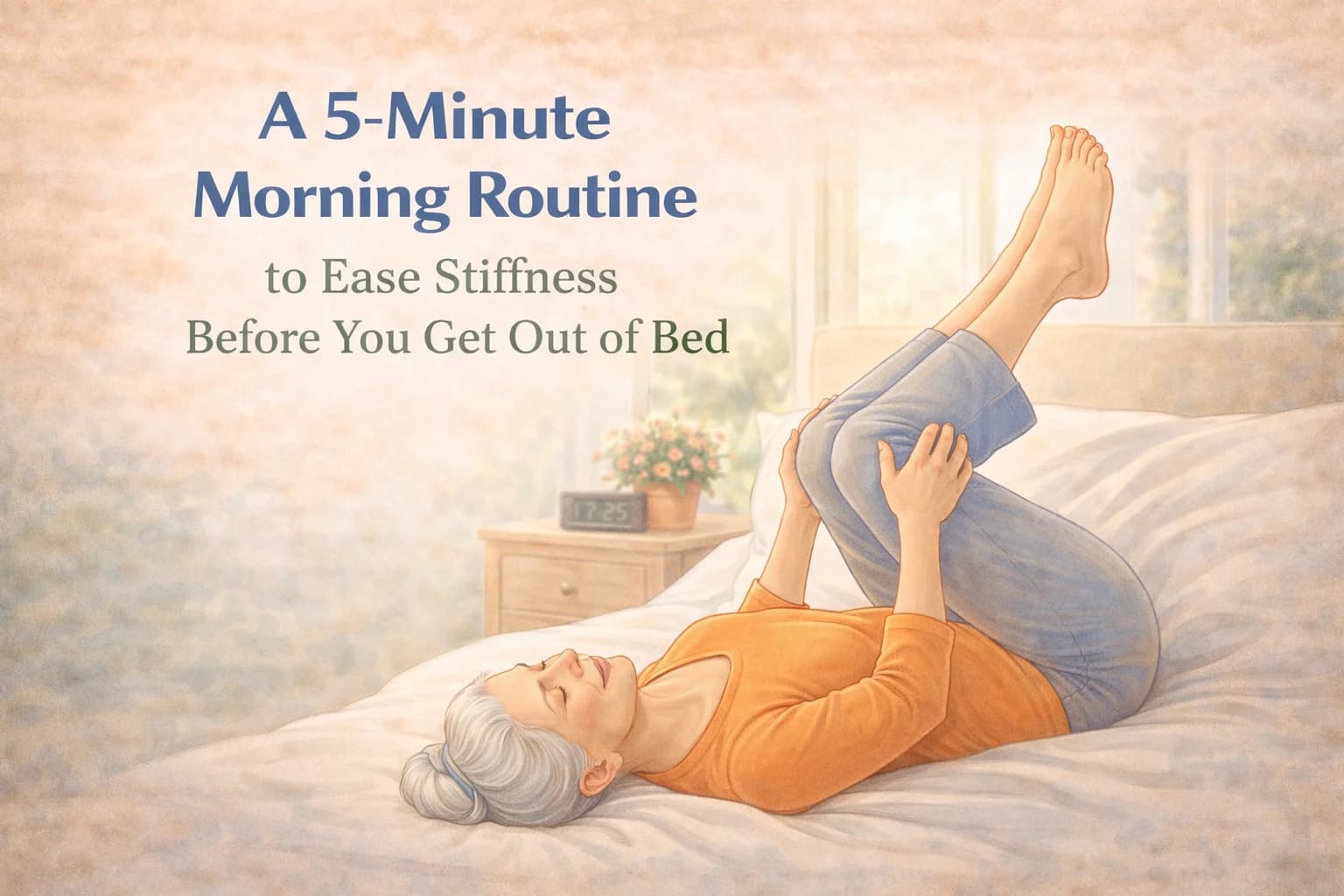
5-Minute Morning Routine to Ease Stiffness in Bed
A gentle Feldenkrais-based morning routine you can do lying in bed - no stretching, no equipment, no effort, just easier movement to ease morning stiffness.
Mar 31, 2026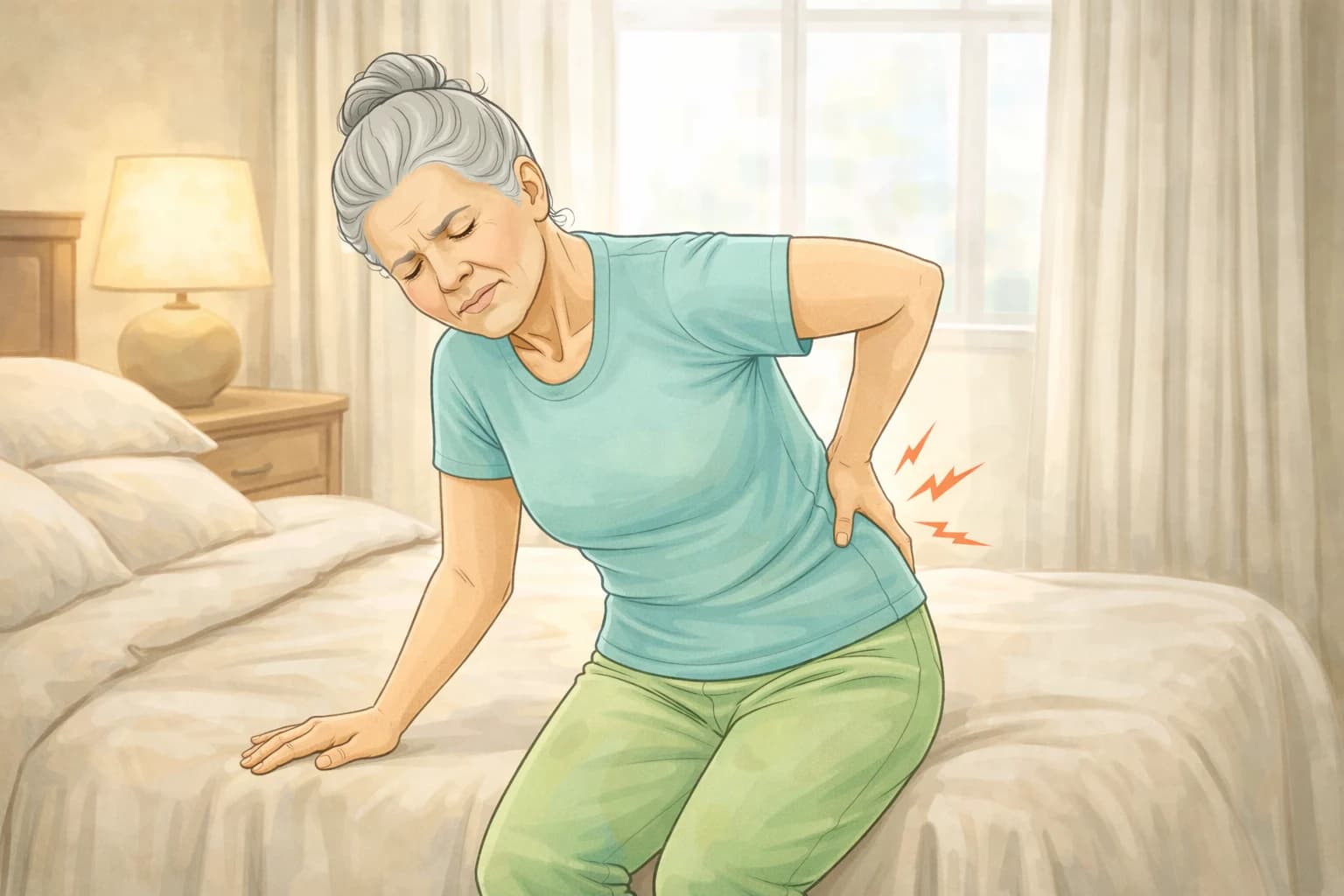
Morning Stiffness: How Feldenkrais Helps You Move
Why your body feels locked up when you first get out of bed, and how just a few minutes of mindful movement can change that
Mar 15, 2026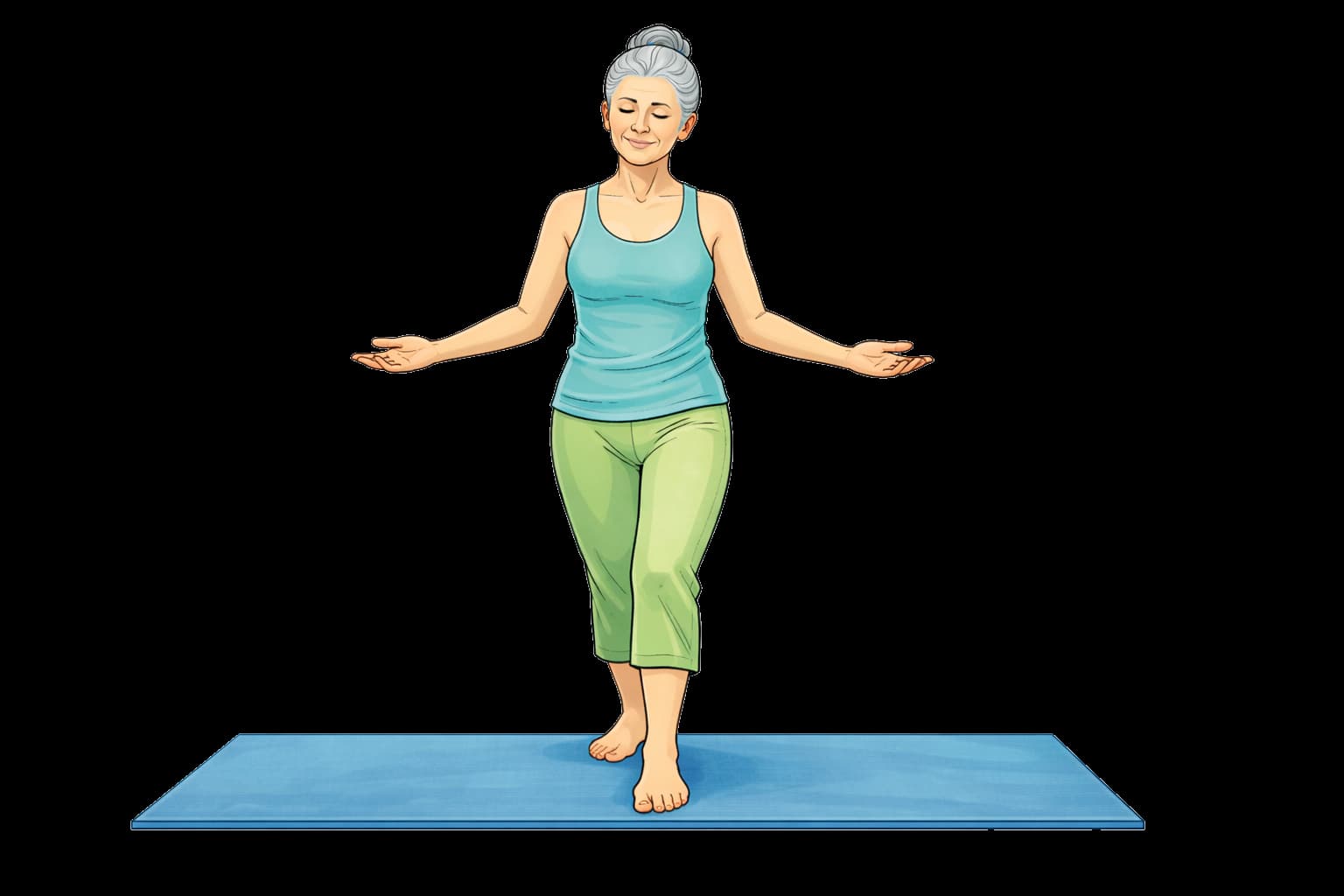
Bringing Mindful Movement Into Daily Life
Simple ways to bring the awareness principles of the Feldenkrais Method into walking, sitting, working, and the small movements of your everyday life.
Jan 25, 2026Ready to Start Moving Better?
Try your first lesson for free. No credit card required.