
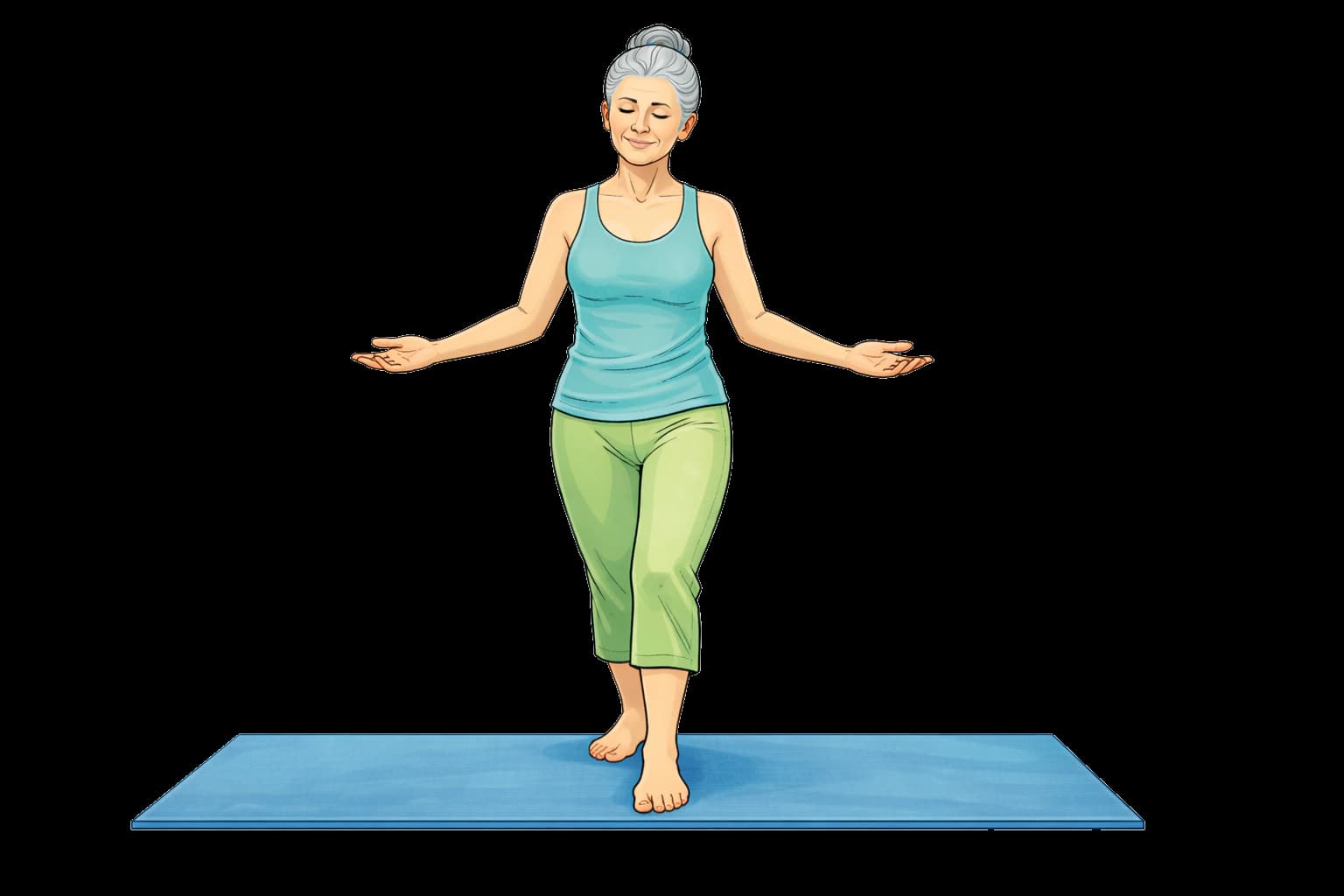
Bringing Mindful Movement Into Daily Life
Simple ways to bring the awareness principles of the Feldenkrais Method into walking, sitting, working, and the small movements of your everyday life.
One of the most powerful aspects of the Feldenkrais Method® is that its benefits extend far beyond the lesson itself. The awareness you develop on the mat can transform how you move through every moment of your day, from how you sit at your desk to how you walk down the street.
The Power of Everyday Awareness
Most of us move through our daily activities on autopilot. We sit, stand, walk, and reach without giving much thought to how we're doing these things. But these unconscious habits can lead to tension, fatigue, and even pain over time.
Mindful movement is simply the practice of bringing attention to how you move as you go about your day. It's not about meeting a standard. It's about noticing what you're doing and exploring whether there might be an easier way.
Five Ways to Practice Daily
1. Notice How You Sit
Next time you sit down, pause for a moment. (If you spend long hours at a desk, our guide on desk posture and neck pain explores this further.) Where is your weight? Are you balanced on both sit bones, or leaning to one side? Is your spine long and easy, or are you slouching or holding yourself rigidly upright?
Don't try to fix anything. Just notice. Over time, this simple awareness can lead to natural improvements in your posture and comfort.
2. Walk With Attention
Walking is something most of us do every day without thinking. Try walking slowly for a few steps and noticing:
- How your feet contact the ground
- How your arms swing naturally
- How your head balances on top of your spine
- Whether you're holding unnecessary tension anywhere
3. Breathe Before You Act
Before starting a task (picking up a heavy bag, reaching for something on a high shelf, or even typing an email), take one conscious breath. This brief pause creates a moment of awareness that can help you approach the action with less effort and more ease.
4. Use Transitions as Reminders
Every time you transition from one activity to another: standing up from a chair, getting out of bed, stepping out of your car. Use that moment as a reminder to check in with your body. How are you feeling? Where are you holding tension?
5. Do Less to Feel More
One of the core principles of the Feldenkrais Method® is that doing less allows you to sense more. When you notice yourself gripping, straining, or trying too hard, experiment with reducing your effort. You might be surprised at how much easier things can become.
Building a Sustainable Practice
The key to making mindful movement a part of your life is to start small. You don't need to be aware of every movement all day long. Even a few moments of conscious attention each day can begin to shift your habits and improve your comfort.
Choose one of the practices above and try it for a week. Once it starts to feel natural, add another. Over time, you'll find that awareness becomes less of an effort and more of a natural way of being.
The Ripple Effect
As you become more aware of how you move, you may notice changes in other areas of your life too. Many people find that they sleep better, feel less stressed, and have more energy. This is because when your body moves more efficiently, everything else gets a little easier too.
The Feldenkrais Method® isn't just about movement. It's about learning to live with greater ease and awareness in everything you do. Feldy's guided lessons are designed to make this kind of awareness accessible at home, at your own pace.
FAQ about Mindful Movement in Daily Life
How much time do I need to practise mindful movement each day?
Very little. Even a few minutes of conscious attention: noticing how you sit, or pausing before a task. It can begin to shift long-standing habits. Quality of attention matters more than duration.
Is mindful movement the same as meditation?
They share an emphasis on present-moment awareness, but mindful movement keeps that awareness in the body and in action. Rather than sitting still, you bring attention to how you move through ordinary activities: sitting, walking, reaching.
Can mindful movement help with chronic pain?
Yes. Much chronic pain is linked to habitual tension and inefficient movement patterns. Bringing awareness to how you move, without trying to fix anything immediately, can gradually reveal and release these patterns. The Feldenkrais Method® is specifically built on this principle.
What if I forget to practise during the day?
That's normal, especially at the start. The suggestion to use transitions as reminders (standing up, getting out of a car) helps because these moments happen regardless of whether you remember. Over time, the habit builds on its own.
How is this different from just being careful about my posture?
Posture focused approaches tend to involve effort: holding yourself in an ideal shape. Mindful movement is the opposite: it's about noticing what you're doing with curiosity, not fixing it. Improvement comes from increased awareness, not from forcing a shape.
Will this work alongside the Feldenkrais Method® lessons I'm doing?
Absolutely. It deepens the work. Feldenkrais lessons give your nervous system new options; daily mindfulness helps you carry those options into real life. The two reinforce each other.
Start your free 7-day trial
Start free trialMore Articles
Understanding the Feldenkrais Method®
A gentle introduction to the Feldenkrais Method - what it is, how it works through movement and awareness, and how it helps you move better and feel at ease.
Feb 10, 2026
Same Exercises, Plus Awareness: What Two Trials Added to Core Stabilization
Two small trials kept a stabilization program exactly as it was and added a Feldenkrais part. What changed, what did not, and what we still do not know.
Oct 19, 2026
Curiosity: Gentler Than Correction
What changes when the question in your mind shifts from "Am I doing it right?" to "What do I notice?"
Oct 16, 2026Ready to Start Moving Better?
Try your first lesson for free. No credit card required.