
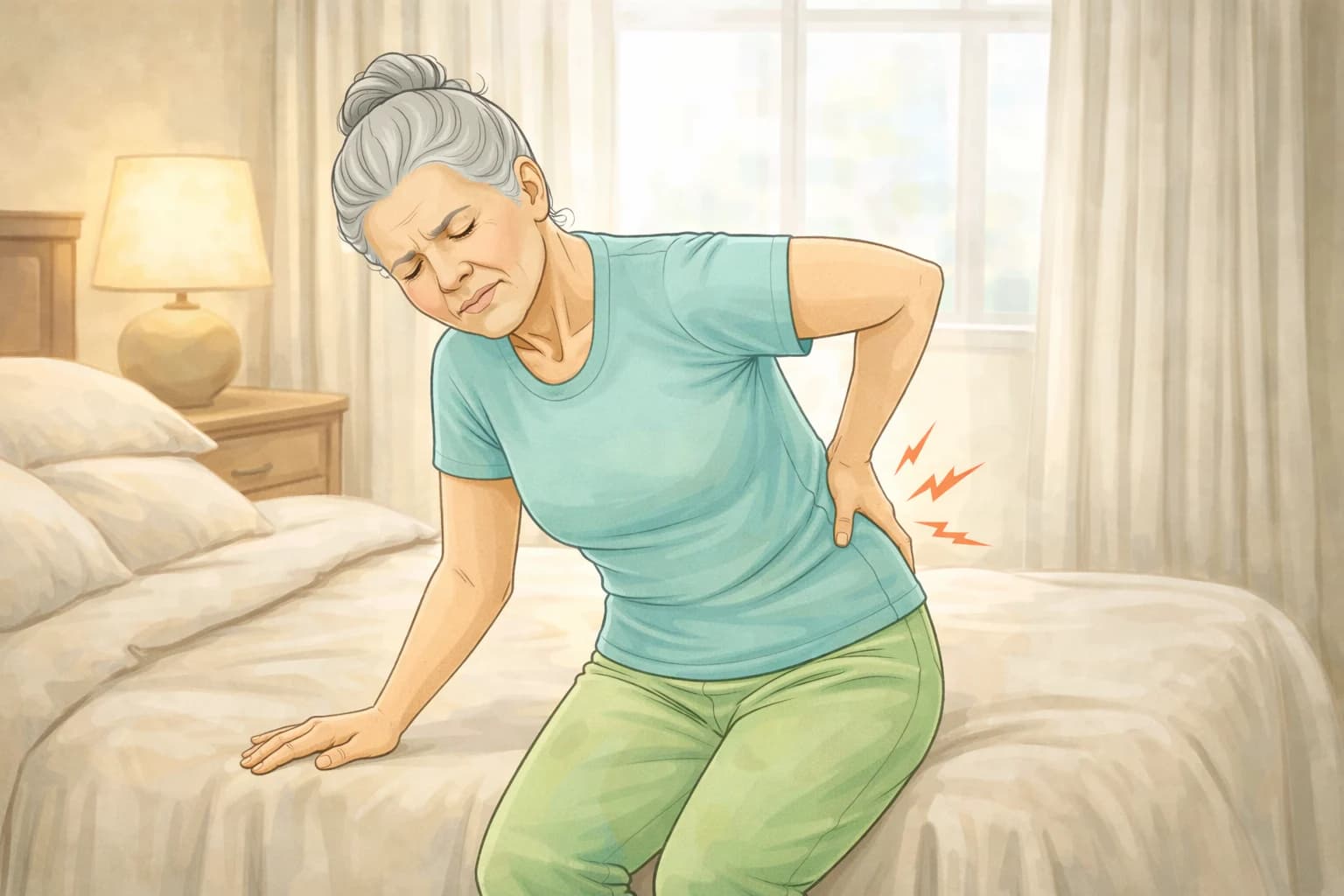
Morning Stiffness: How Feldenkrais Helps You Move
Why your body feels locked up when you first get out of bed, and how just a few minutes of mindful movement can change that
 Chava SoraniGuild Certified Feldenkrais Practitioner (GCFP)
You know the feeling. The alarm goes off, and the first thing you notice isn't the light or the sound. It's the stiffness. Your lower back is tight. Your hips feel locked. Getting from lying down to standing feels like an effort that shouldn't be this hard.
Morning stiffness affects a large proportion of adults. Studies suggest that up to 80% of people with musculoskeletal conditions report it as one of their most disruptive daily symptoms, and many people without any diagnosed condition experience it regularly. It's one of the body's most common complaints, and one of the most overlooked.
Most people just push through it. They shuffle to the kitchen, wait for their body to "warm up", and accept that this is simply how mornings feel now.
But it doesn't have to be.
Why Your Body Stiffens Overnight
During sleep, your joints produce less synovial fluid, the natural lubricant that keeps movement smooth. Your muscles, held in the same position for hours, settle into patterns of tension. And if you carry habitual tightness in your back, hips, or shoulders (which most of us do, often without realising it), those patterns don't simply disappear overnight. They consolidate.
The result is that the first movements of the day feel compressed, guarded, and effortful. Your nervous system, essentially, hasn't had its morning briefing yet. It's still running yesterday's defaults.
This is why simply "warming up" with a hot shower or waiting it out only helps so much. You're not addressing the source: the habitual tension patterns your nervous system has learned to maintain.
What the Feldenkrais Method® Offers
The Feldenkrais Method® takes a different approach to morning stiffness. Rather than stretching or strengthening, it works through attention: gentle, slow movements done with enough awareness that your nervous system can actually learn from them.
When you move slowly and with curiosity, two things happen. First, your brain receives clear, detailed information about where you are and how you're moving, information it can use to update its tension settings. Second, the parasympathetic nervous system (your "rest and digest" mode) stays engaged, rather than being hijacked by effort or discomfort. The result is genuine release, not just temporary loosening.
Research supports this mechanism. The Feldenkrais Method® has been shown to reduce perceived pain and disability, improve functional range of motion, and, crucially, produce effects that last, because they reflect actual changes in movement organisation rather than temporary symptom relief.
For morning stiffness specifically, this matters enormously. You're not trying to force a stiff joint open. You're giving your nervous system the input it needs to let go.
You Only Need a Few Minutes
One of the most useful things about the Feldenkrais Method® for mornings is how little it demands. You don't need a yoga mat. You don't need to get on the floor. You don't need to be a certain age or fitness level.
A 5-10 minute sequence of small, gentle movements, done lying in bed or sitting on the edge of the mattress, is often enough to shift the quality of your entire morning. The key ingredients are slowness and attention, not effort.
Some things worth exploring before you stand up:
- Gentle pelvic tilts: Small movements that let your lower back lengthen and release
- Side-to-side rolling of the knees: Wakes up the hips and sacrum with almost no effort
- Slow turning of the head: Releases neck and upper back tension that accumulated overnight
- Noticing your breath: Simply paying attention to your breathing can shift the whole body's tone
None of these require flexibility. None of them should hurt. If anything is uncomfortable, do less: smaller, slower, lighter.
The Connection to Hip Stiffness and Flexibility After 50
For people over 50, morning stiffness often has an added dimension. Joints change with age: cartilage thins, recovery is slightly slower, and conditions like osteoarthritis become more common. But age is not the whole story. Movement habits, the patterns your nervous system has built up over decades, are often a larger factor than biology. And habits can change.
The Feldenkrais Method® is particularly well-suited to this reality because it works with whatever body you currently have, not an ideal version of it. There's no correct posture to achieve, no range of motion to reach. Just movement, attention, and the gradual discovery that your body has more ease available than it's been expressing.
Start Your Morning Differently
Feldy's Morning Awakening ritual is a guided daily practice built exactly for this. It's a short, audio-guided Feldenkrais sequence designed to be done before you get out of bed, exploring rolling movements, gentle pelvic awareness, and side-lying positions to awaken your body with ease rather than effort.
It's not a workout. It's a conversation with your nervous system at the start of the day.
Try your first lesson free
No mat, no equipment, no getting on the floor. Just a few quiet minutes before your day begins.
Start for FreeFAQ about Morning Stiffness and the Feldenkrais Method®
Why is my body so stiff when I wake up in the morning?
During sleep, your body is still and your joints produce less synovial fluid, the lubricant that keeps movement smooth. Habitual muscle tension also accumulates overnight. Both effects are normal, but when stiffness is prolonged or painful it often signals that your nervous system has settled into patterns of excess tension that don't release on their own.
Is morning stiffness a sign of arthritis?
It can be associated with osteoarthritis or inflammatory conditions like rheumatoid arthritis, but it is also extremely common in people with no joint disease at all. If stiffness lasts more than 30-45 minutes or is accompanied by swelling or warmth in the joints, it's worth discussing with a doctor.
Can the Feldenkrais Method® help with morning stiffness?
Yes. The Feldenkrais Method® addresses the habitual tension patterns that make stiffness worse and more persistent. Gentle, slow movements done with attention, ideally before you even get out of bed, can signal the nervous system to release those patterns, restoring ease and range of motion.
How much time does it take to notice a difference?
Many people feel noticeably more mobile after a single 5-10 minute session. Lasting change (where mornings become consistently easier) typically develops over a few weeks of regular practice, as the nervous system establishes new defaults for muscle tone.
Do I need to get on the floor for a Feldenkrais morning routine?
No. Many Awareness Through Movement® lessons designed for mornings are done lying in bed or sitting on the edge of the mattress. Feldy's Morning Awakening ritual is specifically designed for this, gentle enough to begin before you've even stood up.
Is morning stiffness worse as you get older?
It tends to become more common after 50, as joint cartilage thins and muscle recovery slows slightly. But age is only one factor. Movement habits, sleep position, and accumulated tension patterns all play a significant role, and those can be changed at any age.
Start your free 7-day trial
Start free trialMore Articles
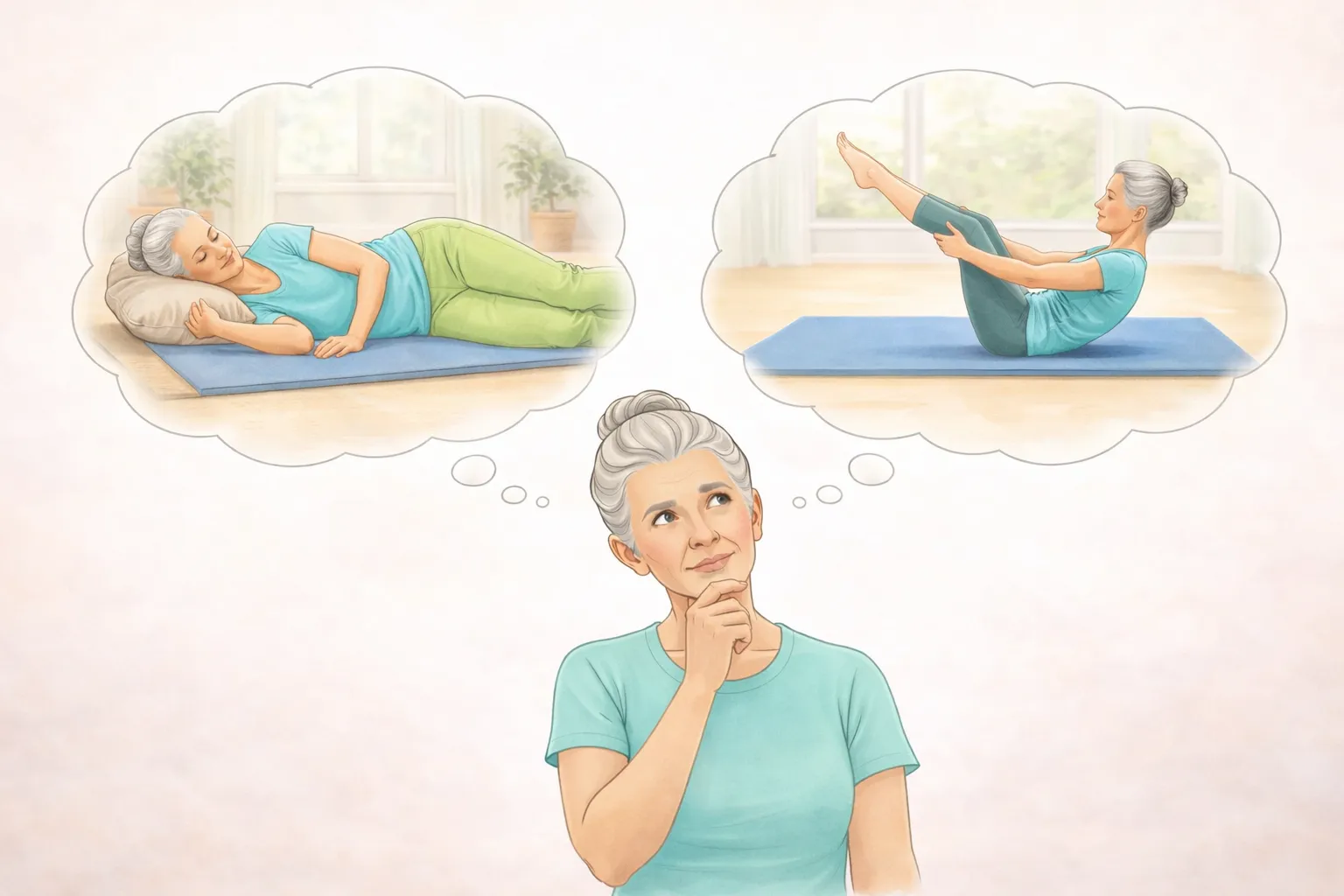
Feldenkrais vs Pilates: How to Choose
A side-by-side comparison of two popular movement methods, how they differ in philosophy and practice, what research says, and how to choose between them.
Apr 17, 2026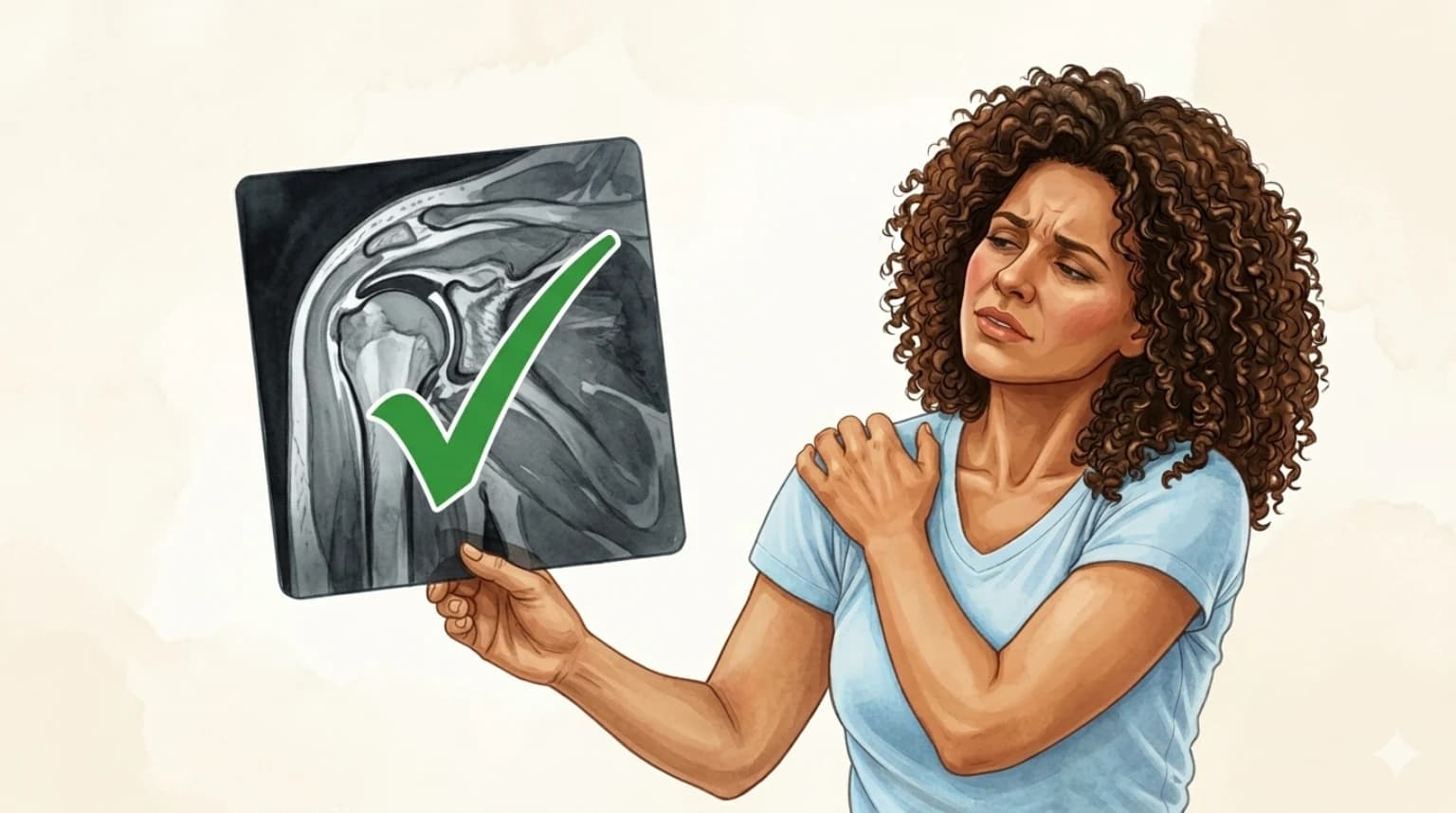
Everything Looks Fine on the MRI. So Why Do You Still Hurt?
When imaging comes back normal but the pain is real, the answer might lie in how your body has learned to protect itself, not in what is broken.
Apr 8, 2026
Hypermobile and Always Bracing? Feeling Steady With Less Effort
Why hypermobile joints can feel tight, why stretching the tightness often doesn't help, and a gentle way to notice your bracing between physio sessions.
Oct 26, 2026Ready to Start Moving Better?
Try your first lesson for free. No credit card required.