
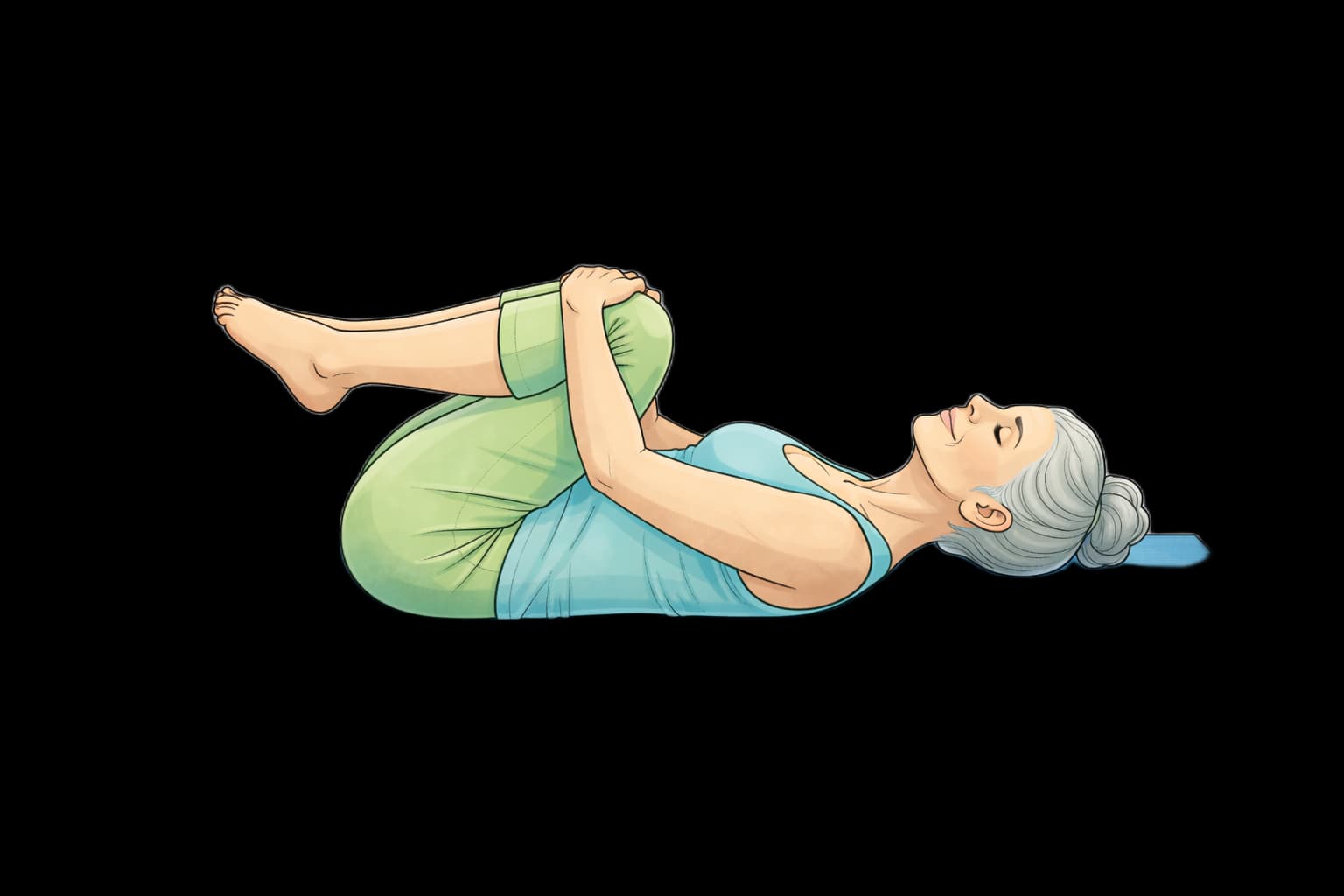
How the Feldenkrais Method® Helps with Back Pain
How everyday movement patterns drive chronic back pain, and how the Feldenkrais Method uses awareness to interrupt those patterns and bring lasting relief.
Back pain is one of the most common reasons people seek out the Feldenkrais Method®, and for good reason. Rather than treating symptoms, the Feldenkrais Method® addresses the underlying movement patterns that often contribute to pain in the first place.
Why Back Pain Persists
Most people experience back pain at some point in their lives. For many, it becomes a chronic companion that limits their activities and diminishes their quality of life. But here's what's often overlooked: much of chronic back pain is related to how we move, not to structural damage.
When we develop habits of tensing, bracing, or moving in unbalanced ways, we create unnecessary strain on our spine and surrounding muscles. Over time, these patterns can lead to persistent pain, even when there's no injury or structural problem.
The Approach
The Feldenkrais Method takes a fundamentally different approach to back pain. Instead of strengthening muscles or stretching tight areas (though these can happen as natural byproducts), it focuses on reorganizing how you move as a whole person.
Learning to Distribute Effort
One of the most common patterns in people with back pain is that the back is doing too much work. The Feldenkrais Method helps you discover how to distribute effort more evenly throughout your body, so your back doesn't have to carry the entire load.
For example, when you bend forward to pick something up, your back doesn't have to do all the work. Your hips, knees, and ankles can all participate. Learning to involve your whole body in every movement is one of the keys to reducing back strain.
Reducing Unnecessary Tension
Many people with back pain carry chronic tension they're not even aware of. They may brace their stomach, hold their breath, or clench their jaw without realizing it. These tension patterns create a rigid, compressed spine that's more vulnerable to pain.
Through gentle, exploratory movements, the Feldenkrais Method helps you identify and release these hidden tension patterns, creating more space and freedom in your spine.
Improving Spinal Flexibility
A healthy spine is a mobile spine. Each vertebra is designed to contribute to movement, but many people have areas of their spine that are essentially locked in place. The Feldenkrais Method uses carefully designed movement sequences to help restore mobility throughout the entire spine.
What the Research Shows
Several studies have demonstrated the effectiveness of the Feldenkrais Method for back pain:
- A reduction in pain intensity and disability
- Improved functional mobility and flexibility
- Decreased reliance on pain medication
- Sustained improvements over time, suggesting lasting changes in movement patterns
A Different Kind of Relief
What makes this approach unique is that it doesn't just provide temporary relief. By changing the movement patterns that contribute to pain, it can help create lasting change. Many people find that as they learn to move more efficiently, their pain naturally decreases. Not because they've numbed it or forced it away, but because they've addressed its root cause. (For those dealing with nerve-related symptoms, it's worth understanding how sciatica connects to these same patterns.)
Getting Started with Back Pain
If you're dealing with back pain, the Feldenkrais Method offers a gentle, non-invasive approach that works with your body rather than against it. Here are a few things to keep in mind:
- Start gently: The Feldenkrais Method is never about pushing through pain. If something hurts, do less or skip it entirely.
- Be patient: Changing movement patterns takes time. Give yourself permission to learn gradually.
- Stay curious: Instead of looking for the "right" way to move, explore what feels easier and more comfortable.
Feldy's online program includes lessons specifically designed for people dealing with back discomfort, offering a convenient way to begin exploring how better movement can lead to less pain.
FAQ about the Feldenkrais Method® and Back Pain
Is the Feldenkrais Method® safe for people with chronic back pain?
Yes. The Feldenkrais Method® is one of the gentlest movement approaches available. Lessons involve no forced positions, no strain, and no pain. If anything hurts, you simply do less or skip that movement.
How is the Feldenkrais Method® different from physiotherapy or exercise for back pain?
Physiotherapy and exercise typically target specific muscles or structures. The Feldenkrais Method® works differently. It addresses the movement habits and tension patterns that contribute to pain in the first place, helping your nervous system find more efficient ways to move.
How quickly can I expect to see results?
Many people notice a difference after a single lesson: a sense of more ease or length in the spine. Lasting change in chronic patterns typically takes several weeks of regular practice, since you're retraining habitual movement rather than treating a symptom.
Can I do Feldenkrais lessons if my back pain is severe?
In many cases, yes. The gentleness of the method makes it accessible even when pain is significant. That said, if you have a recent injury, disc herniation, or undiagnosed pain, consult your doctor before starting any movement practice.
Do I need special equipment or a studio to try the Feldenkrais Method®?
No equipment is needed. Most Awareness Through Movement® lessons are done lying on a comfortable floor surface or sitting in a chair. Feldy's program delivers lessons online, so you can start from home at any time.
Is the Feldenkrais Method® evidence-based for back pain?
Yes. Multiple studies have found reductions in pain intensity, improved functional mobility, and decreased reliance on pain medication among people who practiced the Feldenkrais Method® for back pain. Effects have also shown durability over time, suggesting lasting changes in movement patterns.
Start your free 7-day trial
Start free trialMore Articles
Everything Looks Fine on the MRI. So Why Do You Still Hurt?
When imaging comes back normal but the pain is real, the answer might lie in how your body has learned to protect itself, not in what is broken.
Apr 8, 2026
Feldenkrais vs Pilates: How to Choose
A side-by-side comparison of two popular movement methods, how they differ in philosophy and practice, what research says, and how to choose between them.
Apr 17, 2026
Same Exercises, Plus Awareness: What Two Trials Added to Core Stabilization
Two small trials kept a stabilization program exactly as it was and added a Feldenkrais part. What changed, what did not, and what we still do not know.
Oct 19, 2026Ready to Start Moving Better?
Try your first lesson for free. No credit card required.