
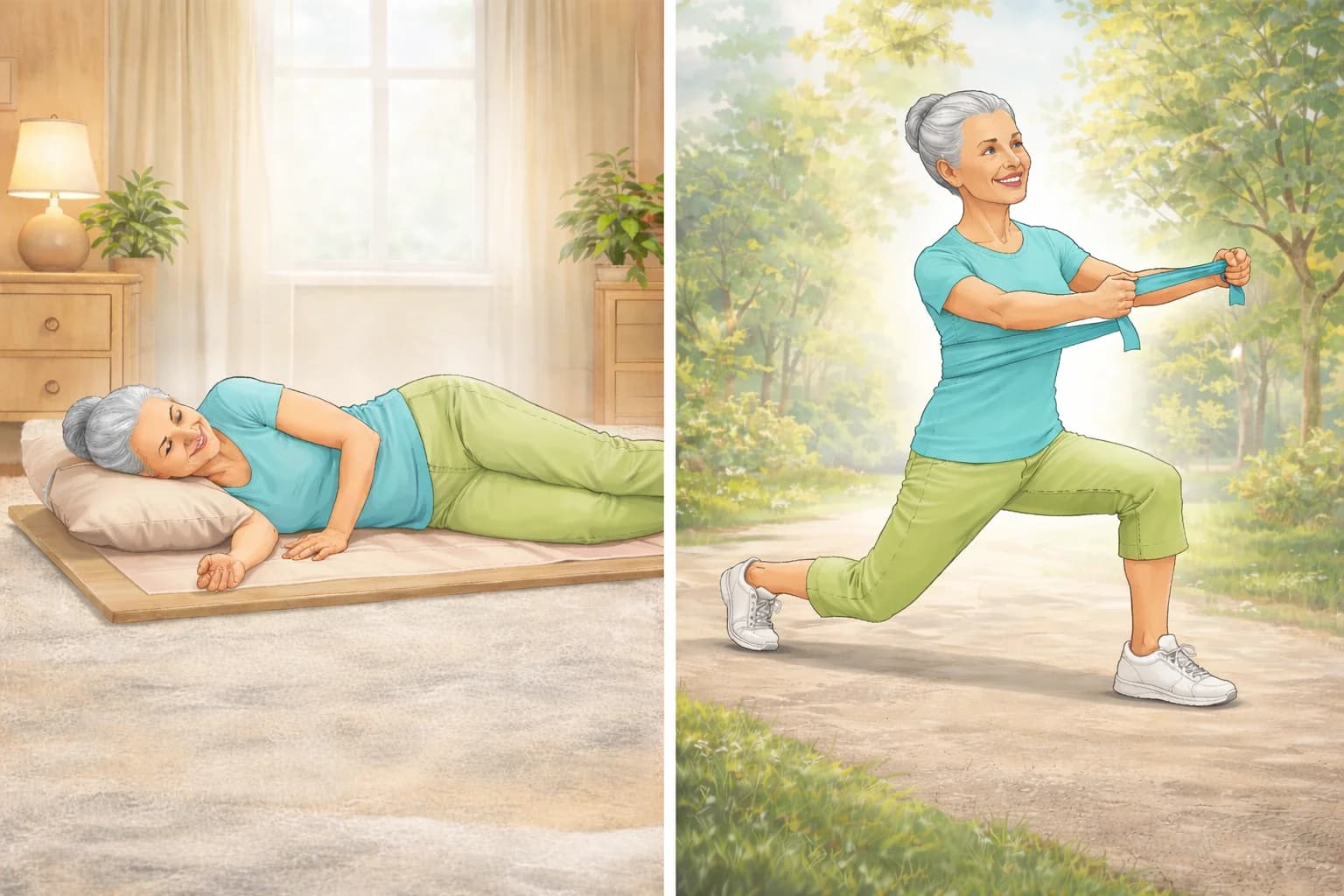
Adding Feldenkrais to Exercise Improves Back Pain Outcomes
A 2025 trial found adding Feldenkrais to stabilization exercise significantly reduced pain and fear of movement in older women with chronic low back pain.
There is a name for the thing that keeps millions of people stuck in chronic back pain, and it is not what you think. It is not a herniated disc. It is not weak core muscles. It is kinesiophobia - the fear of movement.
If you have ever hesitated before bending down, braced yourself before standing up, or avoided picking something up off the floor because you were afraid your back would seize up, you have experienced it. Kinesiophobia is one of the strongest predictors of whether acute back pain becomes chronic. Not the severity of the original injury. Not what the MRI shows. The fear.
A 2025 randomized controlled trial published in BMC Geriatrics has now shown that the Feldenkrais Method is remarkably effective at breaking this cycle, especially when combined with stabilization exercise.
The Study
Researchers Saki and Ziya recruited 30 women aged 60 to 80 with chronic nonspecific low back pain (pain persisting more than 3 months). They randomly assigned them to two groups:
- Exercise only: Dynamic Neuromuscular Stabilization (DNS) exercises, 3 times per week for 8 weeks
- Exercise + Feldenkrais: The same DNS exercises, plus 30 minutes of Feldenkrais awareness-based movement in each session
Both groups improved. But the combined group improved significantly more on every measure.
The Results
Pain intensity dropped by 63% in the combined group, versus 45% with exercise alone. Post-intervention, the Feldenkrais group reported mild pain (2.9/10) compared to moderate pain (4.8/10) in the exercise-only group.
Fear of movement is where the difference was most striking. The combined group's kinesiophobia scores dropped by 40%, compared to 26% for exercise alone. The statistical effect size was large (partial eta-squared = 0.49), meaning the Feldenkrais component had a substantial, measurable impact on how afraid these women were to move.
Lumbar range of motion improved significantly more in the combined group for both flexion and extension, with the extension improvement nearly 50% greater than exercise alone.
Why It Works: Neuromuscular Reorganization, Not Stretching
A separate biomechanics study from TU Darmstadt's Locomotion Lab (Alokla et al., 2025) helps explain the mechanism. Using laboratory-grade motion capture, they demonstrated that a single Feldenkrais session produced significant range-of-motion improvements across multiple joints simultaneously.
Their conclusion: the improvements come from neuromuscular adaptation, not mechanical muscle stretching. The nervous system reorganizes how it coordinates movement, freeing degrees of freedom that were previously locked down. This is why the changes show up across the whole body, not just in the area being "worked on."
A control group that simply repeated the same movement without the exploratory Feldenkrais structure actually got worse. The progressive, curiosity-driven exploration is the active ingredient, not repetition.
What This Means for You
If you have chronic low back pain, this research confirms something that Feldenkrais practitioners have observed for decades: addressing the fear and the movement pattern matters as much as addressing the pain itself.
The Feldenkrais Method brings something that exercise programs typically lack: the slow, gentle, exploratory movement that teaches your nervous system it is safe to move. When that awareness component is present, the results are meaningfully better - not just for pain scores, but for the thing that keeps pain going: the fear.
The study had limitations worth noting. The sample was small (30 participants), included only women aged 60-80, and had no long-term follow-up. But the effect sizes were large, the methodology was rigorous, and the findings align with the broader body of research on Feldenkrais and chronic pain.
Experience It Yourself
Try a free Feldenkrais lesson, done lying down. Gentle, exploratory movements for your lower back and pelvis. No equipment needed.
Try a Free LessonFAQ
What did the 2025 Feldenkrais back pain study find?
The randomized controlled trial by Saki & Ziya (2025) found that combining Feldenkrais with stabilization exercise reduced pain by 63% and fear of movement by 40%, significantly outperforming exercise alone. The combined group showed superior results across all four measures: pain intensity, kinesiophobia, lumbar flexion, and lumbar extension.
Can Feldenkrais help with chronic low back pain?
Yes. Research shows the Feldenkrais Method addresses both the physical and psychological dimensions of chronic low back pain. By improving movement awareness and coordination, it helps reduce the protective bracing patterns that keep pain cycles going. The 2025 RCT demonstrated statistically significant improvements in pain, range of motion, and fear of movement.
What is kinesiophobia and why does it matter for back pain?
Kinesiophobia is the fear of movement due to anticipated pain. It is one of the strongest predictors of chronic pain disability. When you fear movement, you brace and guard, which increases stiffness and sensitivity. The Feldenkrais Method is especially effective at reducing kinesiophobia because its gentle, exploratory movements teach the nervous system that movement is safe.
Is Feldenkrais safe for older adults with back pain?
Yes. The 2025 study specifically involved women aged 60 to 80, and the intervention was well-tolerated with 85% adherence and no adverse events reported. Feldenkrais lessons are done lying down with small, slow movements. There is no stretching, no force, and you work entirely within your comfortable range.
Start your free 7-day trial
Start free trialMore Articles
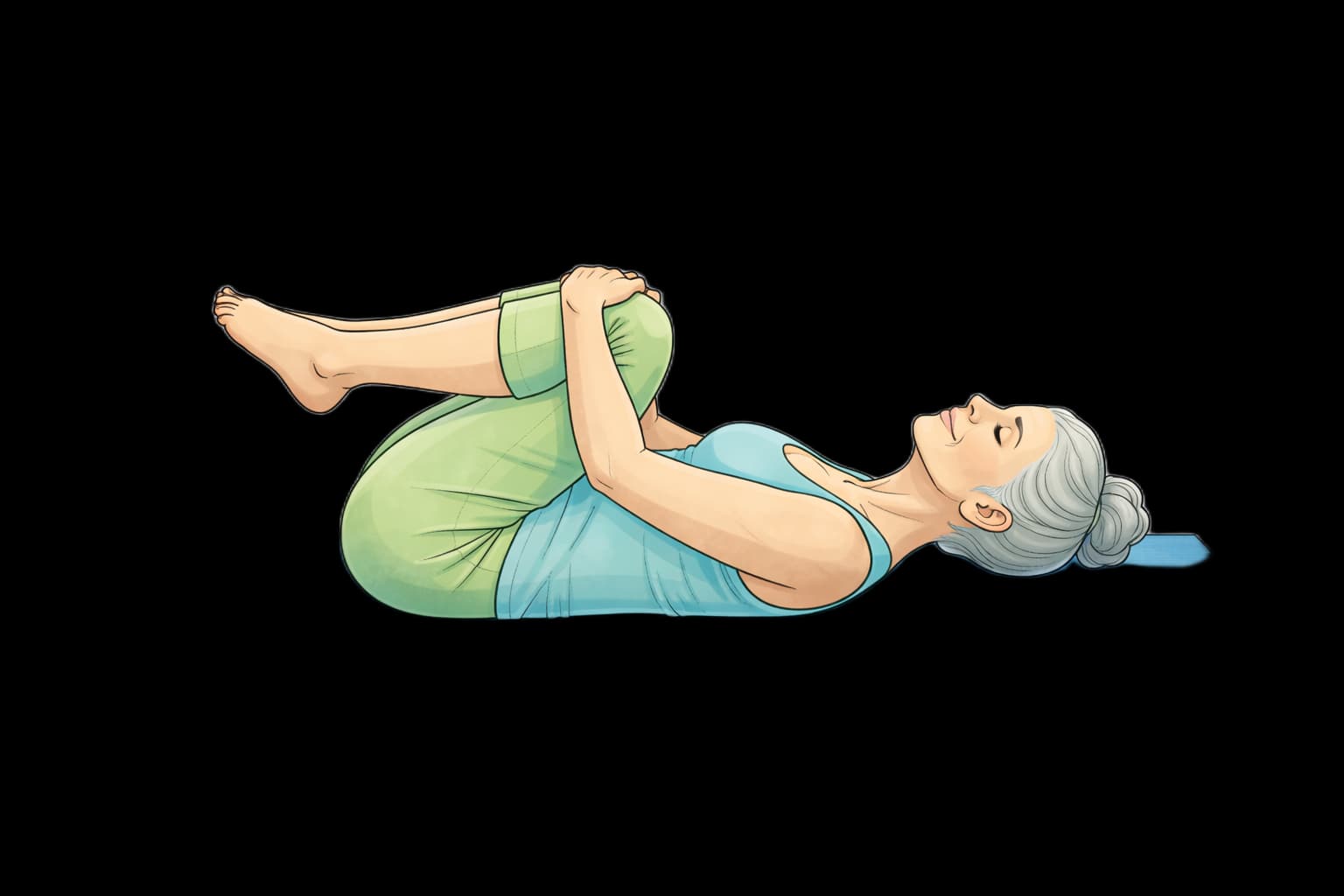
How the Feldenkrais Method® Helps with Back Pain
How everyday movement patterns drive chronic back pain, and how the Feldenkrais Method uses awareness to interrupt those patterns and bring lasting relief.
Jan 12, 2026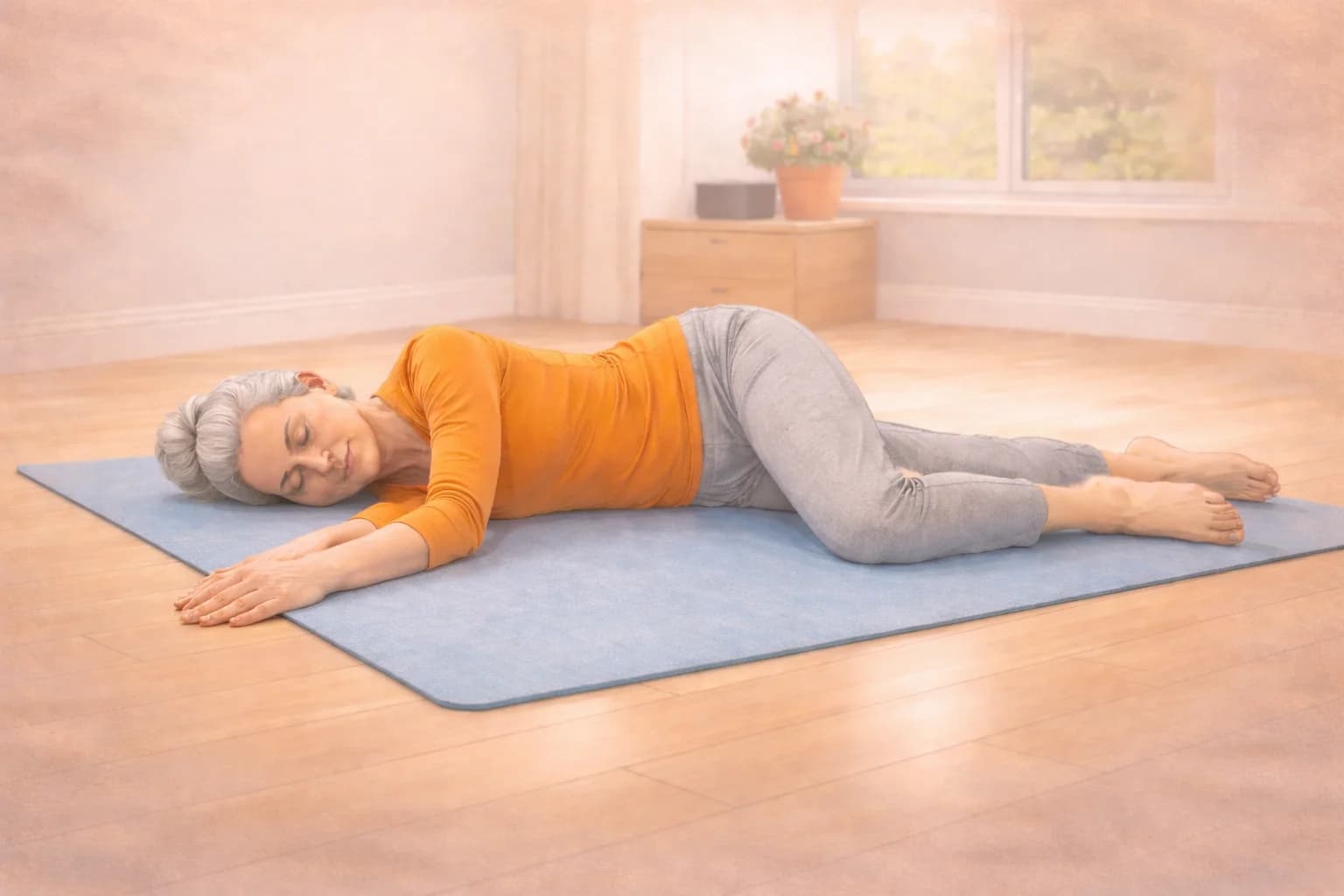
Sciatic Pain Management with the Feldenkrais Method
Why sciatica keeps coming back, how your body's protective patterns may be part of the problem, and what gentle movement awareness can do about it.
Apr 1, 2026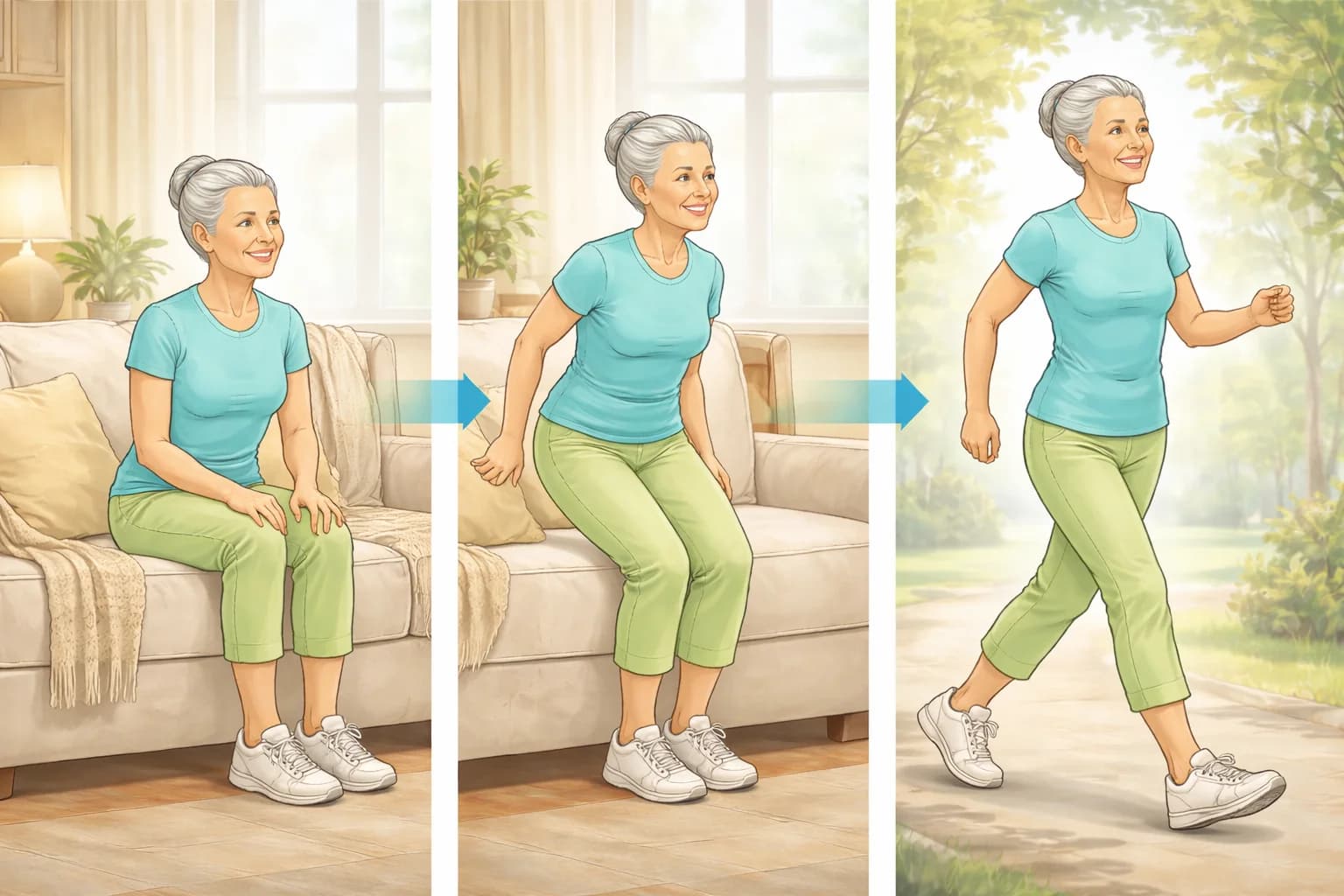
Getting Active Again After 60: A Gentle Way Back to Movement
If surgery, retirement, or COVID slowed you down, you are not alone. Discover how Feldenkrais eases stiffness and gently reignites your active life.
Mar 17, 2026Ready to Start Moving Better?
Try your first lesson for free. No credit card required.