
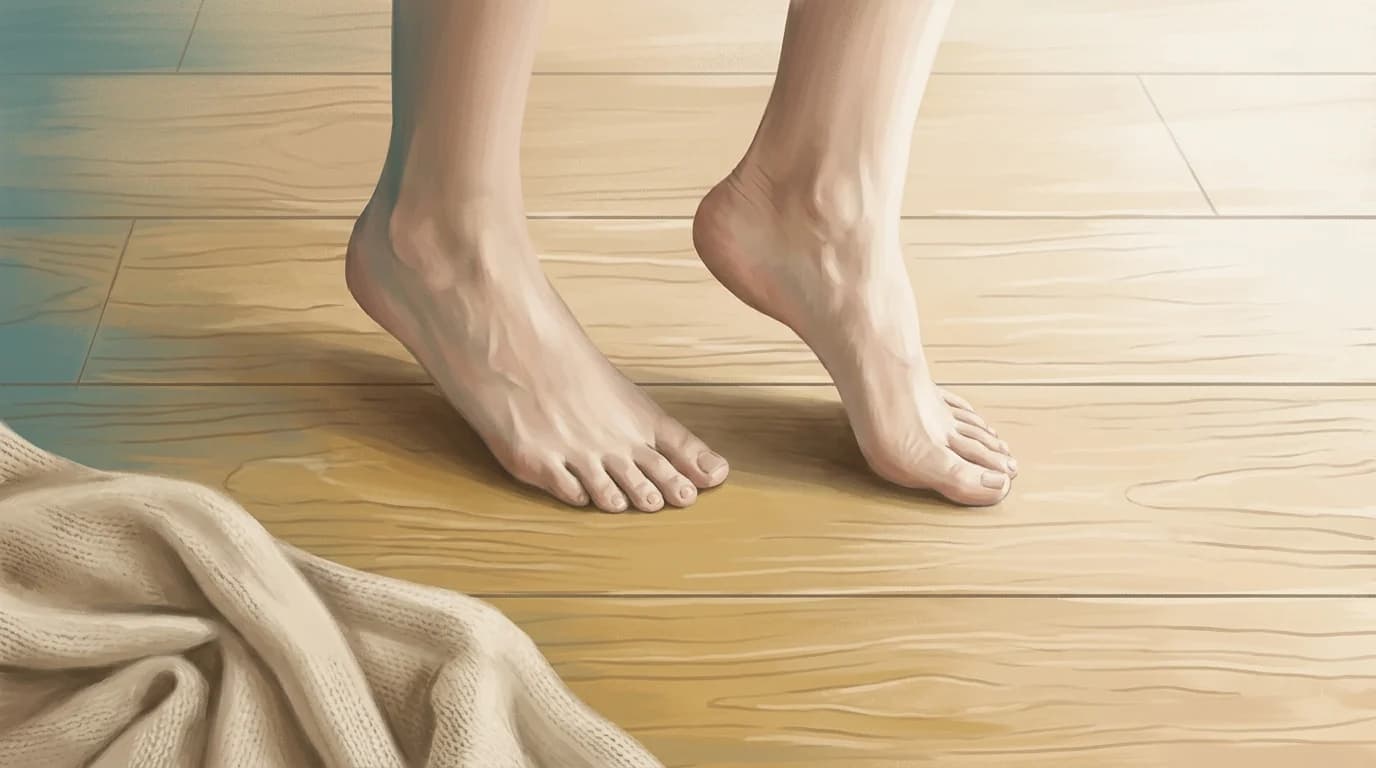
The science of learning to move, split in two
A new Nature Human Behaviour paper says the study of how we learn to move split into lab and life, and makes the case for putting it back together.
There are two kinds of scientist studying how a person learns to move, and for a long time they have not really been in the same conversation. A new paper in Nature Human Behaviour argues that it is time they were.
On July 6, 2026, Nature Human Behaviour published a Perspective by Elena Grießbach and colleagues with a plain title: "Bridging the divide in motor learning research." Their claim is simple and a little uncomfortable. The science of how we acquire and refine movement has grown into two largely separate communities. One studies motor learning in the lab, using precise, stripped down tasks, reaching toward a target while a screen quietly shifts the feedback, so the exact mechanics of how the nervous system adapts can be measured. The other studies movement out where people actually live, in sport and in the clinic, where the real question is how someone learns a genuine skill or rebuilds a steadier way of walking after an injury (Grießbach et al., 2026).
The two sides differ in more than their subject matter. They use different tasks, lean on different theories, and, as the authors put it, carry different research cultures, to the point where a result that feels central to one community can be nearly invisible to the other. The paper's argument is that this gap holds the whole field back, and that connecting the precise mechanisms studied in the lab with the messy, meaningful skills studied in life would build a fuller science of how we learn to move.
What makes this worth attention is that the divide did not appear overnight, and neither has the pull to close it. For decades the applied side has been quietly gathering findings that any movement teacher would recognize. One of the most studied is that where a person places their attention while moving measurably changes how well they learn. A large synthesis of 143 studies found that shifting the focus of attention could improve both immediate performance and later retention, with effects that held across ages, skill levels, and health conditions (Chua et al., 2021). Researchers still debate which kinds of attention help most and when, which is part of the point. Meanwhile the basic side was building exact models of how the nervous system corrects its own error, one attempt at a time. Both lines are real. For years they mostly grew side by side rather than together, and the Grießbach paper is one more sign, a prominent one, of a field turning back toward itself.
I read this from a particular spot inside that landscape. As a Feldenkrais® practitioner I work on the applied side of the divide every day, and the thing these researchers are naming is not abstract to me. A good lesson lives exactly where their two halves meet. The movements are small and exact, closer to a lab task than to a workout, yet they are always in the service of something real: turning the head without bracing, coming to standing without holding the breath. And the active ingredient is attention, though of a particular kind. An Awareness Through Movement® lesson keeps a person's attention on how a movement feels and where it travels, on sensing the difference between more effort and less, rather than drilling a position by force. Someone exploring that is running a small motor learning experiment on themselves, guided by sensing rather than strain.
For anyone relearning a movement, after pain, after surgery, or simply after years of living in a changing body, the useful takeaway here is not a technique. It is a reframe. Learning to move well is less about forcing the correct position and more about noticing, in a low stakes way, how one variation feels next to another. That noticing is where change tends to gather. It is also why doing less, and only going where it feels easy, pleasant, and comfortable, is not a softer version of the work but a real part of how the learning happens. A nervous system tends to learn better when it is not braced for a mistake. Often you have not lost the movement at all. You have lost trust that moving will help, and that trust can be rebuilt through this kind of gentle, curious attention. It is the whole idea behind the Feldy online movement program, where each lesson is a guided experiment in sensing rather than effort. If you want the background on how the body's sense of its own position shifts over the years, our Feldypedia entry on proprioception covers it, and there is more on the method that puts these ideas to work.
The researchers are asking their own field to stop treating the laboratory and lived movement as two separate problems. It is a good instinct, and it happens to be one that a patient movement practice has rested on for a long time. How we learn to move was never really two things. It only got studied that way. If you would like to read that thinking from the source, our guide to which feldenkrais book to start with points to where Moshe Feldenkrais set it out himself.
Let Feldy guide you, eyes closed
A calm voice walks you through gentle moves so your attention stays in your body, not on the screen.
Try Feldy Free for 7 daysNo credit card needed.
Sources
- Bridging the divide in motor learning research— Nature Human Behaviour
- Superiority of External Attentional Focus for Motor Performance and Learning: Systematic Reviews and Meta-Analyses— Psychological Bulletin
Movement Pulse is informational, not medical advice. See our editorial policy.
Move better with Feldy
See the programMovement Pulse Weekly
The week's best research, in your inbox Tuesday.
Movement science, gentle-practice ideas, and a practitioner's read on what's new. Free.
More from Movement Pulse
The part of you that learns new movement may not be aging the way you think
Two preregistered experiments compared young and older adults on the same reaching task. The age difference turned up somewhere most people would not expect.
Aug 1, 2026
Why gentle practice is what your body keeps
A July 2026 trial found that pain during practice cut how much of a new movement people still had a day later. Comfortable practice is what settles overnight.
Jul 19, 2026
Asked to picture a short walk, older adults imagined four seconds. It took them six
Picture yourself walking across the room and back. A new study timed that picture in 85 adults in their seventies, then timed the real walk.
Oct 3, 2026Ready to start moving better?
Gentle, guided lessons for your body. Try your first one free, no credit card required.