
Rotated Pelvis: Signs, Causes, and Gentle Movement
A rotated pelvis means one side sits slightly forward or higher than the other. Here is what it feels like, why it happens, and gentle movement that helps.
In short
A rotated pelvis means one side of your pelvis sits slightly forward, back, or higher than the other, usually from everyday habits like leaning on one leg, sitting twisted, or always carrying a bag on the same side. It is very common and rarely harmful. Slow, even movement on both sides helps the pelvis settle into a more balanced resting place.

Prefer to ease in gently?
See a few gentle exercises for body awareness to try.
Before you begin. This guide is for general understanding and gentle self care, not a diagnosis. A visibly tilted pelvis can sometimes relate to a leg length difference, scoliosis, or nerve irritation. If you have ongoing pain, pain that shoots down a leg, tingling, or a feeling of weakness, please have it looked at by a physiotherapist or doctor.
If you have caught your reflection and noticed one hip riding higher, or found that your trousers never seem to sit level, you may be wondering about a rotated pelvis. It is one of the most common things people see when they start paying attention to how they stand, and most of the time it is not a fault to be alarmed by. It is a picture of your everyday habits, written into how you hold yourself. Meeting it with slow, curious movement is exactly the body first approach of the Feldenkrais Method®, which is less about forcing a body into line and more about giving it new information to move from.
What a rotated pelvis actually is
Your pelvis is the broad bony basin at the base of your spine, and it can shift in several directions. A rotated pelvis simply means the two sides are not sitting symmetrically. One side may turn a little forward, one may sit slightly higher, or the whole basin may be twisted a touch around its centre. Because so much of how you stand, walk, and breathe passes through the pelvis, a small imbalance here can be felt as tightness in a hip, a dull ache on one side of the low back, or a sense that you always turn more easily to one side than the other.
Why a pelvis ends up rotated
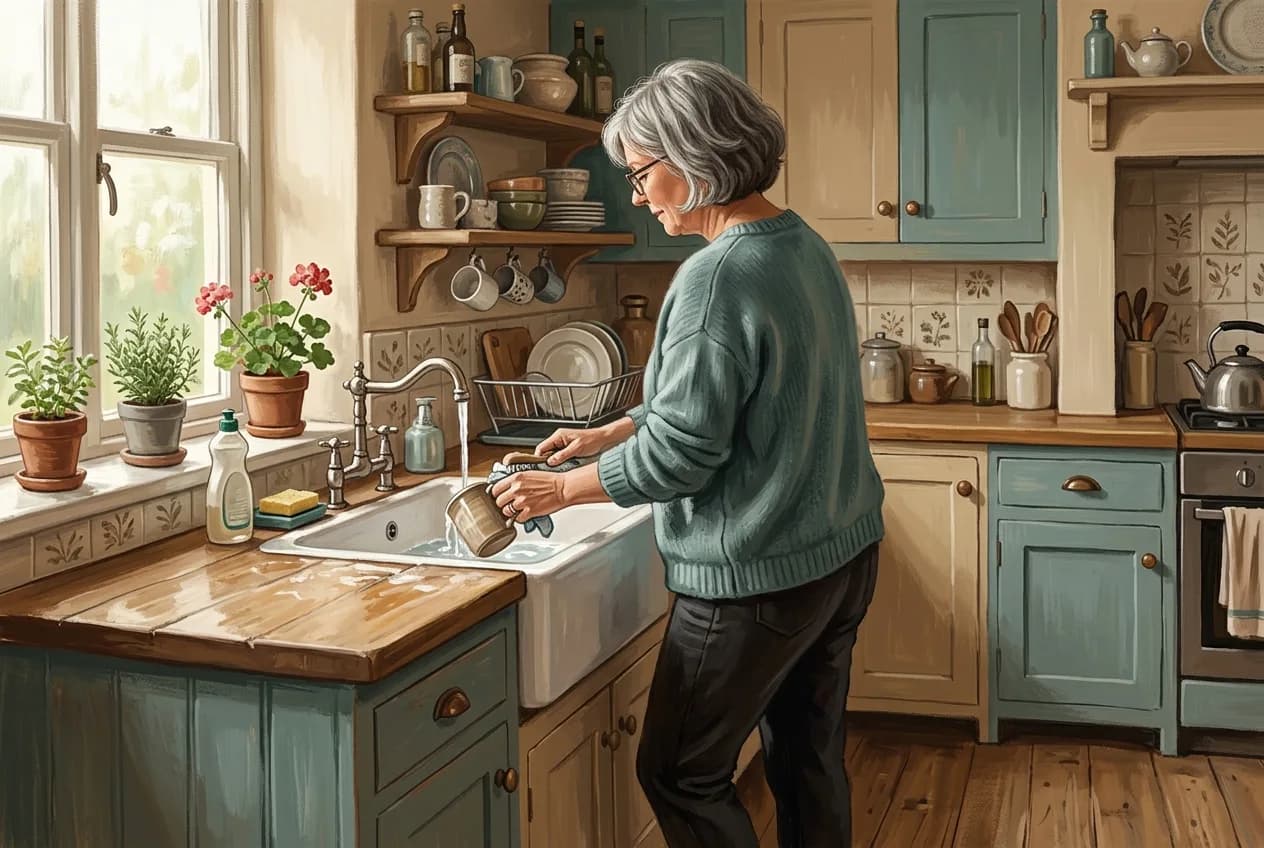
It is usually habit rather than damage. Think of how many hours you spend parked on one leg while you wash dishes, twisted toward a monitor that sits off to one side, or with a phone tucked between one ear and one shoulder. Carrying a bag, a toddler, or a tool belt on the same side day after day asks one half of the pelvis to work differently from the other. Past injuries play a part too, not so much the injury itself as the protective way you learned to move while it healed, a pattern that can quietly outlast the original soreness. Low back discomfort of this kind is remarkably widespread, and low back pain is now the single leading cause of disability worldwide, affecting about 619 million people (WHO, 2023). A rotated pelvis is one small thread in that much larger, very human story.
Sensing your own pelvis
Before changing anything, it helps to feel what is actually there. Lie down comfortably, let your knees bend so the soles of your feet rest flat beneath you, and take a moment to notice how the two sides of your pelvis settle. Does one side feel heavier, or press more firmly into the floor? When you let your knees sway a little to the right and then a little to the left, is one direction smoother, longer, or more familiar than the other? There is nothing to correct here, only to notice. This kind of quiet self study is the ground that any real change grows from, and you can read more in our Feldypedia guide to posture and its physical effects.
Gentle movement for a rotated pelvis
Once you have a sense of your own pattern, small movements do more than big ones. Still lying on your back with your knees bent, try tilting your pelvis in tiny rocks, letting the low back gently press toward the floor and then release, slowly, many times, staying well within comfort. Then explore letting the knees drift a hair further to your easier side and, over several unhurried repetitions, invite the stiffer side to feel a touch more of that same ease. The goal is not to yank yourself straight but to let both sides taste the movement, so your body can even itself out from the inside. Our pelvic clock lesson turns this into a full guided exploration, and if lying down explorations are new to you, the somatic exercises for beginners page is a kind place to start. This slow, self paced style is the heart of the Feldy program for body awareness, and you may also enjoy our sibling guide on how to ease an anterior pelvic tilt and our comparison of anterior and posterior pelvic tilt.
When a rotated pelvis needs a closer look
Most everyday pelvic unevenness is harmless and responds kindly to attention. Some patterns, though, deserve a professional eye. If you live with pain that will not settle, pain that travels down a leg, numbness, pins and needles, or a leg that feels weak or genuinely shorter, please see a physiotherapist or doctor. They can check whether a leg length difference, a curve in the spine, or a joint issue is involved, things that gentle movement alone will not resolve. Kind self care and proper assessment are partners, not rivals.
Learn to listen to your body
Now for the practice that trains it. The Feldy program sharpens your attention through slow, attentive Feldenkrais® lessons, so everyday movement feels lighter and more your own. Gentle, guided, and self-paced.
Start my free 7-day trialNo credit card needed.
Common Questions about a rotated pelvis (FAQ)
What are the signs of a rotated pelvis?
You might notice one trouser leg sitting longer than the other, a belt that never looks level, or that you always cross the same leg and stand with your weight parked on one side. Some people feel a little more tightness or dull ache on one side of the low back or one hip. None of these on their own prove anything is wrong, they are simply clues about how you tend to organise yourself, and they are worth meeting with curiosity rather than worry.
What causes a pelvis to rotate?
Most often it is the sum of small daily habits. Standing with your weight sunk into one hip, sitting with a wallet under one side, twisting toward a screen that is off to your left or right, driving for hours, or carrying a child or a bag on the same side all ask the pelvis to settle a touch unevenly. Old injuries and how you learned to move as the pain eased can add to it. Because these patterns are learned, they can usually soften with kinder, more even movement.
Can gentle movement help a rotated pelvis at home?
For everyday, habit related unevenness, yes, slow and symmetrical movement often helps a great deal. The idea is not to force the pelvis into place but to give both sides a clear, gentle experience of moving, so your nervous system has fresh information to work from. Small pelvic rocks, easy knee sways, and noticing where you carry your weight are far more useful than hard stretching. If movement sharply increases pain, ease off and check in with a professional.
How often should I do pelvic movement?
A few slow minutes most days is worth more than a long session once in a while. Because you are teaching a habit rather than stretching a muscle, little and often gives the pattern the most chances to update. Many people fold a short exploration into getting up in the morning or winding down at night, and simply catch themselves during the day when they have parked their weight on one leg again.
How long until a rotated pelvis feels more even?
It varies. Some people feel more balanced within a single session, because a lot of the unevenness is muscular holding that can ease quickly once you pay it slow attention. A deeper habit that has been in place for years usually shifts over a few weeks of regular, gentle practice, alongside catching the daily postures that feed it. Think in terms of a steadier baseline rather than a one time fix.
How is a rotated pelvis different from an anterior pelvic tilt?
They describe different directions of movement. An anterior pelvic tilt is the whole pelvis tipping forward and down at the front, which tends to arch the low back. A rotated pelvis is one side turning forward, back, or riding higher than the other, so the asymmetry is left to right rather than front to back. Many people have a little of both. Our comparison of anterior and posterior tilt walks through the front to back version if that fits you better.
When should I see a professional about a rotated pelvis?
See a physiotherapist or doctor if you have pain that lingers, pain that travels down a leg, numbness or pins and needles, a leg that feels weak, or a sense that one leg is genuinely shorter. A professional can check for a true leg length difference, scoliosis, or a joint issue that gentle self care alone will not settle. Getting a clear picture early means your home movement can be a helpful companion to proper care rather than a substitute for it.
Learn to listen to your body
See the programRelated resources
How to Fix a Lateral Pelvic Tilt: Notice It First
One hip resting higher than the other is usually a habit, not a flaw. What a lateral pelvic tilt is, which kind you have, and why noticing beats correcting.
How to Fix Lordosis Posture Without Fighting Your Back
A deep curve in the low back is a normal shape, not a fault. What usually needs changing is not the curve itself but how fixed it has become.
Asked to picture a short walk, older adults imagined four seconds. It took them six
Ready to start moving better?
Gentle, guided lessons for your body. Try your first one free, no credit card required.