

Out of Protection, Into Perception: Where Real Learning Happens
Strain pushes the nervous system into protection mode, where learning stops. Here is how Feldenkrais uses a safe, gentle range to learn instead.
We are taught that progress requires intensity. No pain, no gain. Push through it. Feel the burn. The harder path feels more honest, as if effort were the price of change. But when it comes to how the nervous system actually learns new ways of moving, that belief gets it almost backward. The Feldenkrais Method® starts from the opposite idea: deep learning happens when you stay out of strain, not when you push through it. It lives in a range that feels safe enough for the nervous system to stay curious and available.
That is the title of this post in a single sentence. To move out of protection and into perception is to leave the state where the body braces and defends, and to enter the state where it notices, explores, and learns. Here is what that means, and why it works.
Protection mode: why the nervous system stops learning under strain
Your nervous system has one job above all others: to keep you safe. When a movement brings pain, strain, or more effort than feels manageable, the system can read it as a threat. Its response is protective. Muscles tighten, the breath shortens, and the body falls back on the patterns it already trusts. In that state, the priority is defense, not discovery.
Pain researchers describe a version of this as the fear-avoidance cycle: when movement feels threatening, we brace against it and avoid it, which can quietly reinforce the very pattern we hoped to change (Vlaeyen and Linton, 2000). The same logic shows up in everyday muscle tension and guarding. None of this is a flaw. Your body found a way to manage, and it is doing exactly what it evolved to do.
You can feel a milder version of this any time you try too hard at something new. Grip a pen too tightly to write neatly and the writing gets worse. Tense your whole body to balance on one foot and you wobble more, not less. Force a golf swing or a dance step and it stiffens. Excess effort does not only tire you out, it crowds out the fine adjustments that skill is made of. A nervous system busy bracing has no spare attention left to refine anything.
The catch is that a protecting nervous system is not a learning nervous system. Under threat it repeats what it knows, because the familiar feels safe. The more efficient, easier option never gets a hearing. So if we want the system to change, the first task is not to push harder. It is to remove the threat.
The safe range: how the Feldenkrais Method® signals safety
This is where the Feldenkrais approach takes its characteristic turn. Instead of working at the edge of effort, we work well inside it, within a range that feels safe and comfortable. It helps to be clear about what comfort means here. It is not about avoiding challenge or doing as little as possible. It is about signaling safety to the brain.
When you stay out of strain, pain, and forcing, the nervous system has nothing to defend against. There is no threat to manage, so the energy that would have gone into bracing becomes available for something else: attention. The guard comes down. Curiosity comes up. The system shifts from "protect me" to "show me."
This is why a Feldenkrais lesson can feel almost too easy at first. The ease is not a compromise. It is the precondition. A safe range is what lets the nervous system stay open long enough to learn anything at all.
Slowing down: from effort into perception
A safe range opens the door. Slowness walks through it. Within that comfortable range we move slowly, softly, and with attention, and this is what turns safety into perception.
When effort is high, the signals from working muscles are loud, and small differences disappear inside the noise. When you slow down and reduce effort, the background quiets and your sense of your own movement sharpens. You begin to feel things that were always there but never registered: that one shoulder lifts when you turn your head, that your jaw tightens when you reach, that your breath pauses at a certain point.
There is a 19th-century principle behind this. The Weber-Fechner law of perception found that we sense change relative to its background, so the smaller the baseline, the finer the difference we can detect. We explore that idea in depth in why slow, small movement works. For now the takeaway is simple. Less effort does not mean less is happening. It means you can perceive more of what is happening.
Difference is the raw material of learning
Here is the part that turns perception into change. The brain is, at heart, a difference detector. It learns not by being told what is right, but by comparing one option against another and noticing which feels easier.
Move your head one way, then try a slightly different path with a little less effort, and the nervous system registers the contrast. Given a real choice between strain and ease, it tends to drift toward ease, often without any conscious decision on your part. This is learning in its most natural form: not correcting a mistake, but discovering a better option and quietly preferring it.
A simple example: lie down and slowly turn your head to one side, noticing how far it goes and how it feels. Rest. Now do the same turn a fraction smaller and easier, perhaps letting your eyes lead the way. Rest again, then turn for real. Many people find the head travels further with less effort, not because they stretched, but because the system felt a gentler option and chose it. Nothing was forced. A difference was offered, and the body preferred it.
Those differences are the raw material. No perceptible difference means nothing to learn from. Protection mode hides differences, because everything is braced and loud. Safety, slowness, and awareness reveal them. That is the whole sequence: a comfortable range creates the conditions for safety, slow and attentive movement creates the conditions for perception, and perception lets the nervous system trade an old habit for an easier one.
Taking safety and slowness off the mat
You do not need a mat to use this. The formula is portable: safety plus slowness plus awareness equals perception.
At your desk, rather than forcing yourself to "sit up straight," notice where you are already bracing, in the shoulders, the jaw, the grip on the mouse. Soften it a little and feel the difference. Under stress, notice whether your breath has gone shallow, and let it move again instead of gritting through. Returning to a hobby or learning a new skill, ease off the intensity just enough to feel the mechanics, and let the easier version teach you.
In each case the move is the same. Step out of pushing through, and into noticing. Out of protection, and into perception.
Feldy's program is built on exactly this. Each guided audio lesson keeps you within a safe, comfortable range and slows you down enough to perceive what you are doing, so the change comes from your own attention rather than from force. If you are not sure where to begin, the Movement Match quiz can point you to a starting place that fits your body and your goals.
Feel the Shift Yourself
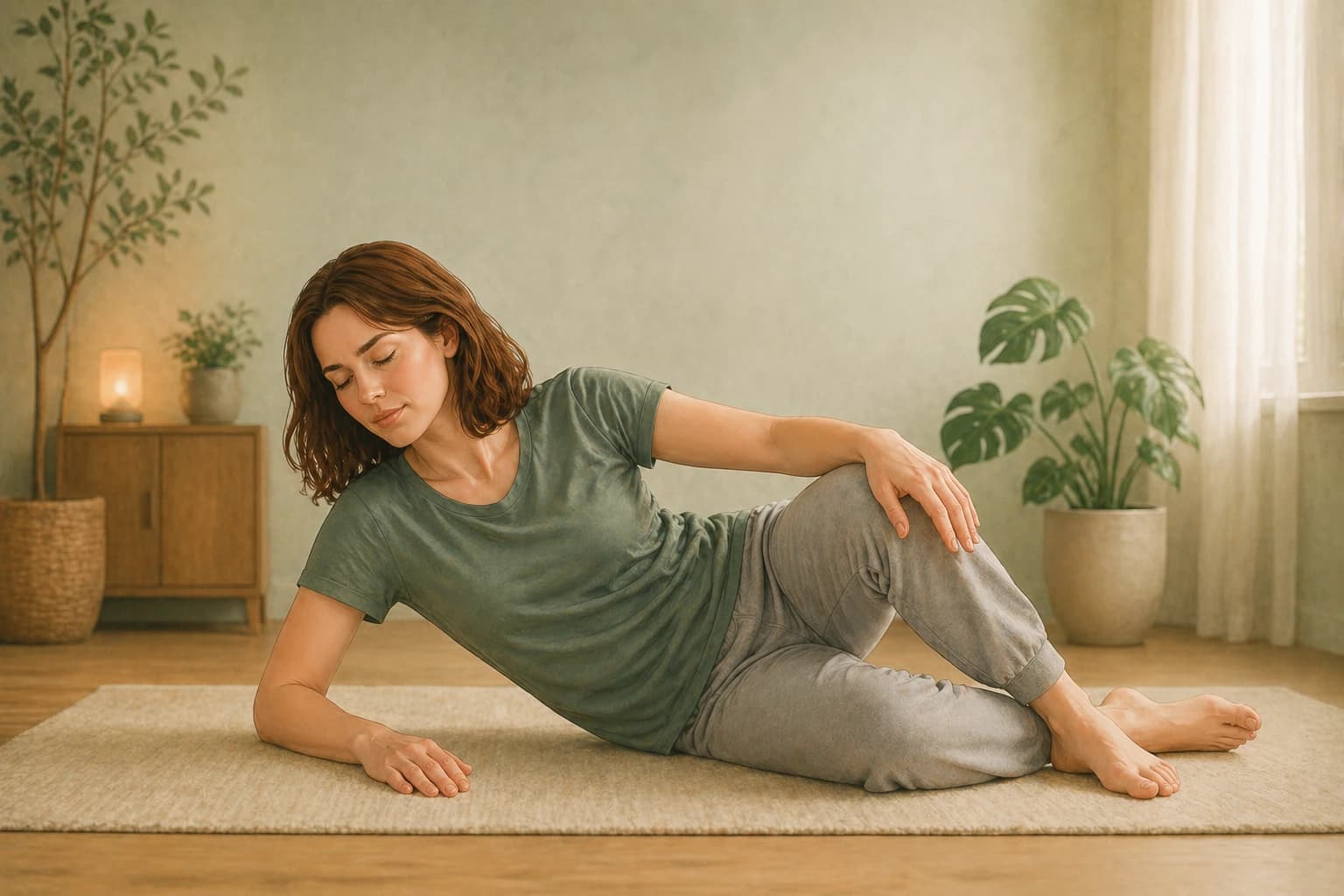
Try a free 11-minute Feldenkrais lesson, done lying down. A safe, gentle range and a slow pace, so your nervous system can notice the difference. No equipment needed.
Try a Free LessonFAQ about how the nervous system learns movement
What does "protection mode" mean in movement?
When the nervous system senses pain, strain, or excessive effort, it can read the movement as a threat and respond by bracing, tightening, and falling back on familiar patterns. In that protective state the priority is safety rather than learning, so new and easier options rarely get explored. Staying within a comfortable range avoids triggering this response.
Does staying within a comfortable range mean avoiding challenge?
No. Comfort here is not about doing as little as possible. It means staying out of strain and pain so the nervous system feels safe enough to stay curious and available. Within that range there is plenty of subtle, attentive exploration, which is its own kind of challenge.
Why does slowing down help me learn to move better?
Slow, low-effort movement quiets the background noise of exertion so the brain can detect subtle differences in how you organize yourself. Those differences are what the nervous system learns from. The Weber-Fechner law of perception helps explain why smaller effort makes finer differences noticeable.
Is the Feldenkrais Method® a workout?
Not in the usual sense. It does not aim for overload, burn, or fatigue. Instead it works with the nervous system's organization of movement through gentle, attentive exploration. Many people pair it with walking, swimming, or strength work, which it complements rather than replaces.
How soon might I notice a difference?
Many people notice a change within a single 30-minute lesson, such as easier breathing, a freer walk, or one side feeling lighter than the other. Lasting change builds gradually with regular practice, much like learning a language. Results tend to be most stable when the practice is revisited over time.
Start your free 7-day trial
Start free trialMore Articles
Move Slowly, Feel Better
Slow, small movement is not a watered-down version of exercise. It is one of the ways the nervous system learns most effectively, and why less leads to more.
Apr 26, 2026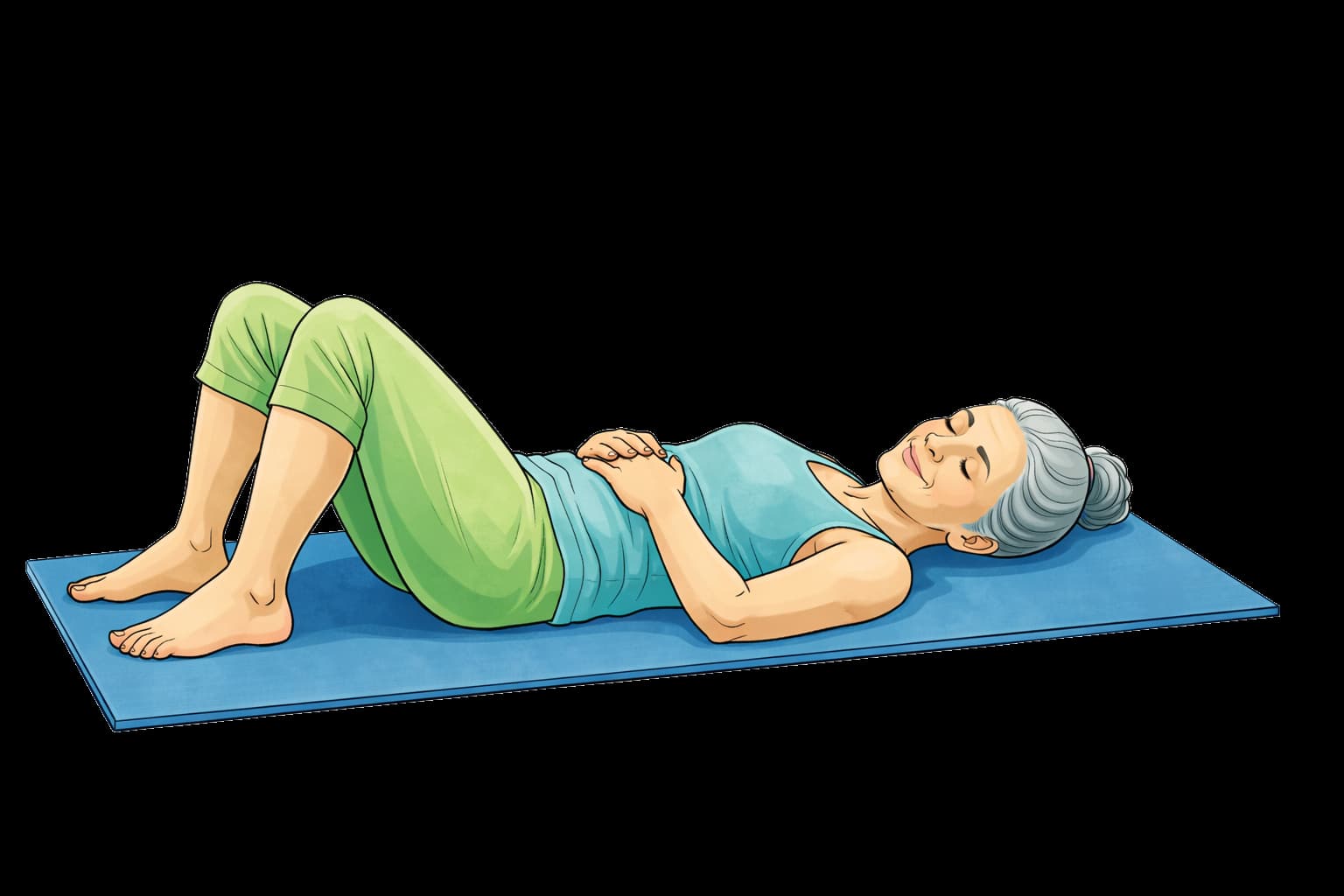
Understanding the Feldenkrais Method®
A gentle introduction to the Feldenkrais Method - what it is, how it works through movement and awareness, and how it helps you move better and feel at ease.
Feb 10, 2026
Curiosity: Gentler Than Correction
What changes when the question in your mind shifts from "Am I doing it right?" to "What do I notice?"
Oct 16, 2026Ready to Start Moving Better?
Try your first lesson for free. No credit card required.