

Are My Hip Flexors Tight or Weak? How to Tell
Are my hip flexors tight or weak? Here is how a tight hip feels versus a weak one, why the answer is often both, and a gentle way to tell them apart.
In short
Wondering whether your hip flexors are tight or weak? It is usually both at once. A hip flexor that feels tight is often weak and over-braced rather than truly short, so the answer is gentle strengthening through range plus awareness, not just more stretching.

See how Feldy helps knees and hips move more comfortably
Gentle guided lessons you can do at home. Start with a free 7-day trial.
Before you begin. This is general information, not medical advice. If you have hip or back pain that is severe, persistent, or came with an injury, please see a doctor or physical therapist for an individual assessment.
If you keep asking yourself, are my hip flexors tight or weak, the most frank answer is that it is usually both at once, and that surprises a lot of people. A hip flexor that feels tight is frequently weak and over-braced rather than truly short. It grips and pulls, yet it is not actually strong through its full range. When that is the case, more stretching rarely fixes things, because length was never really the missing piece. Gentle strengthening through an easy range, paired with calm attention, tends to serve far better, and this is the territory the Feldenkrais Method® lives in.
Hip and movement complaints are widespread. About 1.71 billion people worldwide live with a musculoskeletal condition, according to the World Health Organization (WHO, 2022), and how well the hip flexors release and work shapes a great deal of everyday comfort while sitting, rising from a chair, and walking.
How a tight hip flexor feels versus a weak one
A tight-feeling hip flexor usually shows up when you try to lengthen the front of the hip. Standing tall, sliding a leg long on the floor, or reaching the thigh behind you can feel jammed, pinched, or pulled, as though something at the front of the hip refuses to open. The sensation lives at the end of the range, where the muscle is being asked to be long.
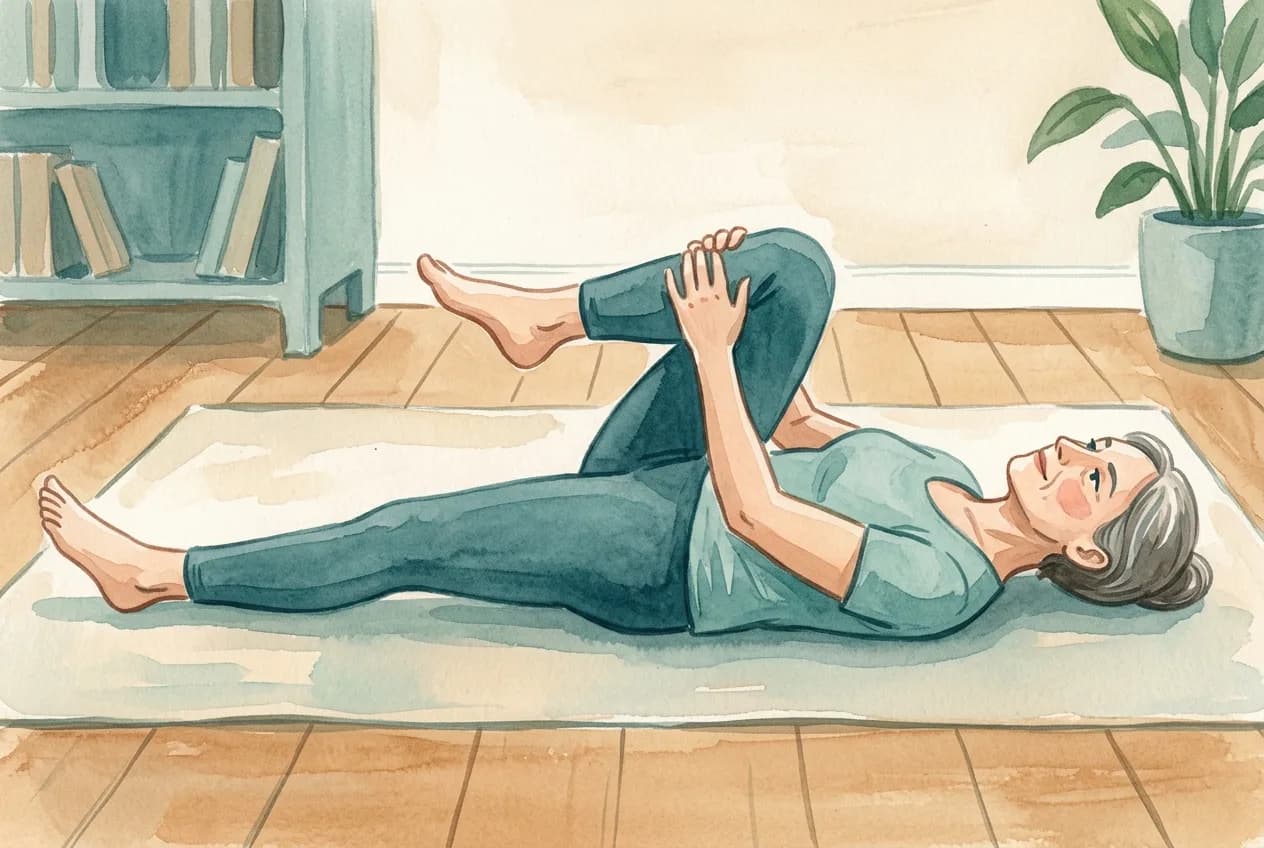
A weak hip flexor shows up at the other end of the action. When you lift a bent knee toward your chest slowly, or hold it up for a moment, it can feel heavy, shaky, or oddly hard to control, as if the leg is heavier than it should be. The sensation lives where the muscle is being asked to work and shorten. Telling the two apart is mostly a matter of noticing where the difficulty turns up: at the long end, or at the working end.
Why are my hip flexors tight or weak, and often both
Here is the catch that makes the question so confusing. A muscle that sits in a shortened position for hours, as the hip flexors do whenever you sit, can feel tight and yet quietly lose strength through the range it never gets to use. So it ends up bracing and gripping, which reads as tight, while also being unable to work confidently through its full length, which is weak. The bracing is often protective, the nervous system keeping a low simmer of tension on an area it has decided to guard. You can read more in our Feldypedia guide to hip stiffness and limited mobility.
This is also why stretching a weak hip flexor can backfire. Pulling a guarded, under-strong muscle toward its end range and holding can prompt it to grip harder, not soften, and it does nothing to build the control the hip was actually missing. For more on the stretching trap, see our companion guide to tight hip flexors.
How to tell which one you are dealing with
The kindest test is simply to move slowly and notice. Float a bent knee toward your chest at the pace of a slow breath, and watch where the trouble lives. If lifting and controlling the leg feels heavy or unsteady, the hip flexor is leaning weak. If the front of the hip feels pinched or blocked as you lengthen it, it is leaning tight. Most people find a bit of each. That is good news, because the same gentle approach addresses both: small, slow movement through an easy range invites the guarding to soften while quietly asking the muscle to work, so it learns to release and to strengthen together. If tight hips also seem to feed your back, our explainer on whether tight hip flexors cause lower back pain is a useful next read.
You do not need to diagnose yourself perfectly. Noticing where the difficulty turns up is enough to guide you toward movement that is slow, small, and pain-free, with plenty of rest along the way.
Kinder movement for knees and hips
Understanding the strain is half of it. The Feldy program helps knees and hips carry less of it by reorganising how the whole body moves, through Feldenkrais® lessons. Gentle, guided, and self-paced.
Start my free 7-day trialNo credit card needed.
Common Questions about whether your hip flexors are tight or weak (FAQ)
How can I tell if my hip flexors are tight or weak?
A tight hip flexor tends to feel jammed, pinched, or pulled when you lengthen the front of the hip, as in standing tall or sliding a leg long. A weak one tends to feel heavy, shaky, or hard to control when you lift a bent knee toward your chest, especially slowly. Many people notice both signs, which is normal.
Can hip flexors be both tight and weak at the same time?
Yes, and this is very common, especially after long hours of sitting. A muscle held in a shortened position much of the day can feel tight while also losing strength through its full range. So it grips and braces, yet it is not actually strong. That mix is why stretching alone so often fails to help.
Should I stretch or strengthen tight hip flexors?
If the hip flexor is weak and over-braced rather than truly short, hard stretching can make it grip harder, while doing nothing to build the control it lacks. A gentler path is to move the hip slowly through an easy range so it learns to both release and gently work. That combination usually serves better than stretching for its own sake.
How often should I do this kind of gentle movement?
A single short, easy round each day is plenty. Hip flexors usually respond more to steady, kind repetition than to anything long or strenuous. On a low-energy day, just a couple of minutes, or pure rest, works fine, and missing a day does no harm at all.
Why does stretching a weak hip flexor sometimes make it feel worse?
Stretching pulls a muscle toward the end of its range and holds it there. If the muscle is already weak and bracing for protection, that strong pull can read as a threat and prompt it to grip even harder. You can end up feeling tighter, not freer, because the underlying issue was control and confidence, not length.
When should I see a professional about my hip flexors?
See a doctor or physical therapist if pain in the hip or groin is sharp, will not settle, or keeps getting worse, and especially if there is numbness, a leg giving way, a catching or locking sensation, or it began with an injury. This gentle self-care supports general comfort and awareness, not diagnosis or treatment of any particular condition.
Kinder movement for knees and hips
See the programRelated resources
Anterior Pelvic Tilt and Hip Flexors: A Gentle Look
How anterior pelvic tilt and hip flexors relate, and a gentle, awareness-based way to ease the front of the hip without forcing an aggressive stretch.
Hip Flexor Strengthening Exercises: Gentle and Controlled
Hip flexor strengthening exercises that work the front of the hip slowly and pain-free, gentle knee lifts and controlled lowering that build support rather than chasing fatigue. Try a short guided lesson below.
Tight Hip Flexor Symptoms: What They Feel Like Day to Day
The signs people notice most, what the word tight actually describes, and a calm way to pay attention to the front of your hips.
Ready to start moving better?
Gentle, guided lessons for your body. Try your first one free, no credit card required.