

Iliac Crest Pain: Easing Tension at the Hip's Rim
Iliac crest pain along the top rim of the hip bone is often muscular tension from posture, sitting, or one-sided habits. Gentle movement that frees the lower back and hips tends to ease it.
In short
Iliac crest pain along the top rim of the hip bone, where back and hip muscles attach, is often muscular tension from posture, sitting, or one-sided habits. Gentle movement that frees the lower back and the side of the hip tends to ease it.

Prefer to ease in gently?
See a few gentle exercises for lower back pain to try.
Before you begin. This is general comfort guidance, not medical advice. If iliac crest pain is severe, follows a fall or injury, or comes with leg weakness, numbness, or fever, please see a doctor. For ordinary muscular tension, gentle movement within comfort is usually safe.
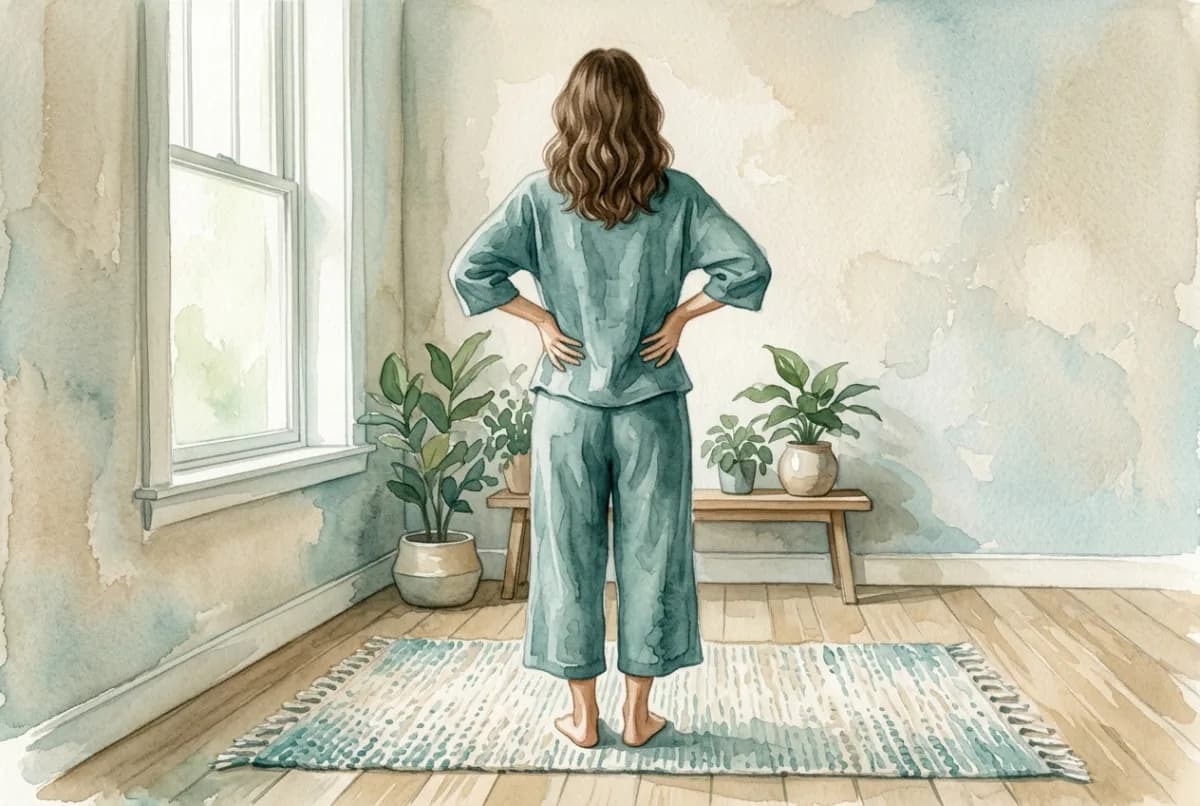
If you feel an ache along the top rim of your hip bone, that bony ridge you can rest your hands on at your waistline, you may be dealing with iliac crest pain. The good news is that this ache is often muscular tension rather than a problem with the bone itself, and it tends to respond well to slow, gentle movement that frees the lower back and the side of the hip. Here is why that area aches, plus a short, kind practice drawn from the Feldenkrais Method® and other attentive movement work.
Where the iliac crest is and why it aches
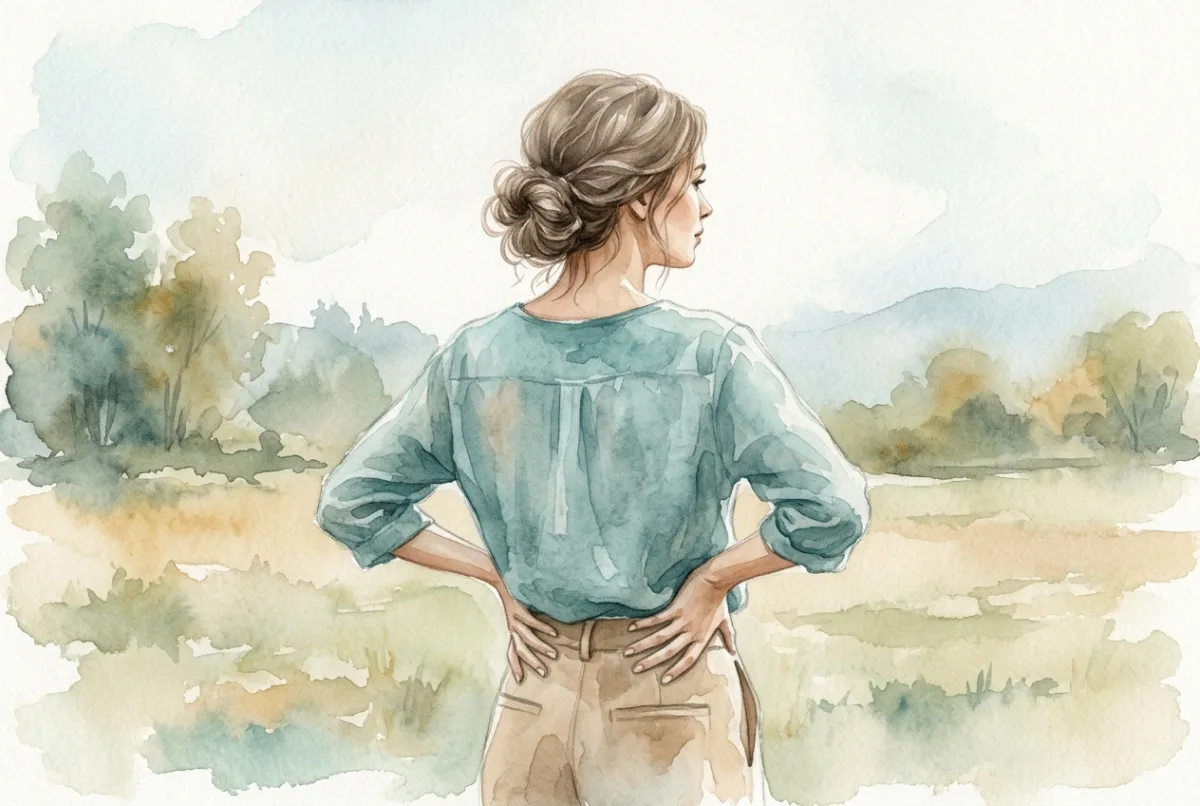
The iliac crest is the curved upper edge of the large pelvic bone, the ridge you feel when you put your hands on your hips. It is a busy attachment site. The quadratus lumborum, a deep muscle of the lower back, anchors near it; the gluteal muscles of the buttock pull on it from below; and the abdominal obliques along your side attach to it as well. When any of these muscles stay braced, hour after hour, they tug at the crest and the area can feel tender, tight, or sore. This is why the spot so often complains rather than the bone giving way.
Why tension settles along the hip's rim
A few everyday patterns tend to feed iliac crest pain. Long stretches of sitting hold the hips and lower back still, so the muscles around the crest stiffen. A swayed or slumped posture keeps them working overtime to hold you up. And one-sided habits, like always standing with weight on the same leg, carrying a child on one hip, or slinging a bag over the same shoulder, quietly load one side more than the other. None of this means anything is damaged. More often it means the muscles that attach to the crest have simply forgotten how to let go.
You are far from alone in this: low back and related pain affects about 619 million people worldwide (WHO, 2023). For a closer look at the mechanism, our explainer on how stiff and tight muscles cause back pain walks through how braced muscles keep the back on guard.
How gentle movement eases iliac crest pain
Because the ache so often comes from muscles that are stuck holding, the kindest path is usually not to push or stretch them, but to invite them to move a little and discover that softening is safe. Small pelvic rocking, an easy side-to-side weight shift, and the gentlest of side-bends all coax the lower back and the side of the hip to take part again. As you move slowly and pay attention to how each motion lands, your nervous system collects quiet evidence that it can ease off, and the bracing tends to release on its own. There is no target shape and nothing to clench. Going slowly and staying within comfort is the whole point.
A short practice to free the lower back and hip
The practice brings together a few of these gentle ideas: tiny pelvic rocking, an easy weight shift from side to side, small side-bends in the spine, and a slower out-breath to let the muscles near the crest settle. You move only as much as feels comfortable today, rest often, and never force. That same patient, listen-first spirit runs through the whole Feldy program, where calm guided lessons coax the body toward comfort instead of pushing for range. If stiffness in the hip itself is part of your picture, the Feldypedia guide to hip stiffness and limited mobility explains more, and our somatic exercises for hips offer a companion practice for a stiff or guarded pelvis. And when the whole back feels braced rather than one tender spot, our lesson on how to relax your back widens the same gentle approach.
A gentler way through back pain
Now you understand why it braces. The Feldy program helps your back unlearn that guarding, through slow, attentive Feldenkrais® lessons you follow at home. Gentle, guided, and self-paced.
Start my free 7-day trialNo credit card needed.
Common Questions about iliac crest pain (FAQ)
What causes iliac crest pain?
Often it is muscular tension rather than the bone itself. Several muscles attach along the iliac crest, including the quadratus lumborum in the lower back, the gluteal muscles, and the abdominal obliques. Long sitting, a swayed or slumped posture, and one-sided habits like always carrying a bag on the same shoulder can leave these muscles braced and tender. Other causes exist too, so persistent pain is worth checking.
Is iliac crest pain serious, and when is it a red flag?
Ordinary muscular tension along the hip rim is usually not serious and tends to ease with gentle movement. Please see a doctor, though, if the pain is severe, followed a fall or injury, or comes with leg weakness, numbness, or fever. This guidance is for general comfort, not a diagnosis.
How often should I do gentle movement for iliac crest pain?
A short, easy session once a day is plenty for many people, and even a few minutes helps. Gentleness and regularity matter far more than intensity or length. If a movement increases pain, make it smaller or skip it. The aim is to leave each session feeling a little easier than when you began, never sore.
How is gentle movement different from massage or foam rolling?
Massage and foam rolling press on tissue from the outside. Gentle, attentive movement works from the inside: as you move slowly and notice how each small motion lands, your nervous system gathers quiet proof that easing off is safe, and the muscles let go on their own. Many people find this lasts longer than pressure alone, and it tends to feel kinder.
Why does iliac crest pain often show up on one side only?
One-sided pain usually mirrors one-sided habits. Standing with your weight parked on the same leg, carrying a bag or a child on the same hip, or turning toward one screen all day loads one side of the pelvis more, so the muscles along that crest stay busier and grow tender. Varying those habits and moving both sides gently tends to even the load. Pain that stays strictly one-sided and persistent is still worth a professional look.
When should I see a professional about iliac crest pain?
See a doctor or physical therapist if the pain is severe or persistent, followed an injury, or comes with leg weakness, numbness, or fever. A professional can rule out other causes and tailor guidance to you. These suggestions are for general comfort and do not replace an in-person assessment.
A gentler way through back pain
See the programRelated resources
Gentle Exercises for the Back and Hips
Exercises for back and hips that link the pelvis, hip joints, and lower spine in one slow, easy floor and seated sequence, so a stiff hip stops loading the back.
Leg Exercises That Do Not Hurt Your Lower Back
A lying down lesson in letting one leg move while the lower back stays quiet, with a side lying option and a kinder answer than hunting for safer machines.
The thing that stopped people finishing a pain education programme was not the schedule
Ready to start moving better?
Gentle, guided lessons for your body. Try your first one free, no credit card required.