


Welcome to Movement Pulse
A short note on what this section is for, who writes it, and how we choose what to cover each week.
Movement Pulse is a new section of Feldy. Each piece takes recent research, reporting, or method news from the last seven days and adds something the original source didn't: a practitioner's perspective on what it means for someone living with the condition.
Why this section exists
Most health news is written for a general audience, not for someone in a flare or someone trying to decide whether a new study should change what they do tomorrow. Movement Pulse tries to close that gap. We cover back pain, fibromyalgia, hypermobility, posture, sleep, stress, balance, women's health, chronic pain, and Feldenkrais Method news.
How each piece is built
Candidates are gathered by an AI-assisted search of curated sources and the open web, reviewed and approved by Chava, then drafted with AI assistance and reviewed for accuracy by a second model. Chava holds final editorial responsibility and edits or rewrites every piece before it ships. The full process is described in the editorial policy.
What you can expect
A short read, usually 700-1000 words. One clear angle per piece, drawn from a handful of recurring shapes — practitioner translation, headline-vs-reality check, a movement experiment to try, questions worth raising with your doctor, method comparison, or long-arc synthesis across multiple studies. Cited sources at the end of every piece, both linked inline and listed for quick reference.
Movement Pulse is informational, not medical advice. If you have a medical concern, talk to a qualified clinician. Otherwise, welcome.
Let Feldy guide you, eyes closed
A calm voice walks you through gentle moves so your attention stays in your body, not on the screen.
Try Feldy Free for 7 daysNo credit card needed.
Sources
- Editorial policy— Feldy
Movement Pulse is informational, not medical advice. See our editorial policy.
Move better with Feldy
See the programMovement Pulse Weekly
The week's best research, in your inbox Tuesday.
Movement science, gentle-practice ideas, and a practitioner's read on what's new. Free.
More from Movement Pulse
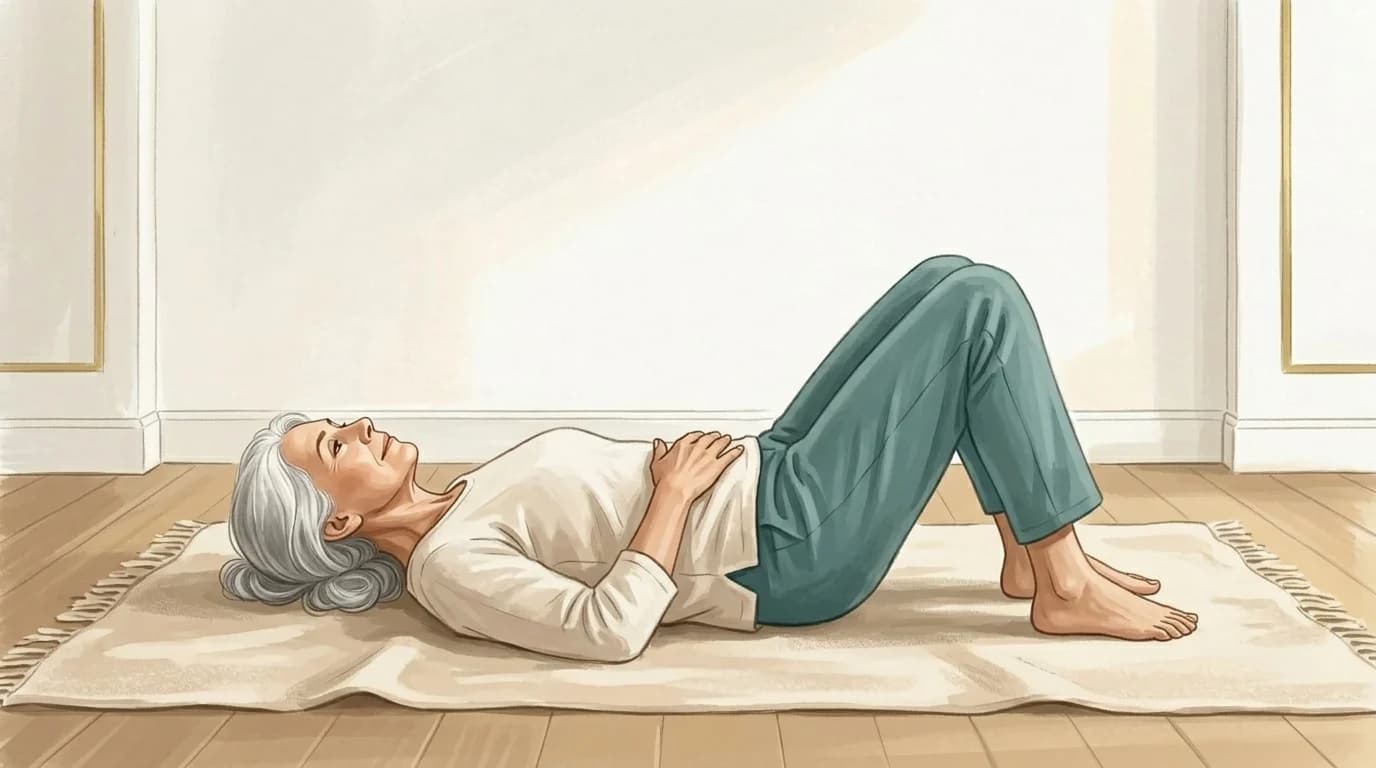
The back exercises helped more when older women learned to feel them, not just do them
A small randomized trial gave one group core stability exercises, and another the same exercises plus Feldenkrais awareness lessons. The second group ended up moving with noticeably less fear.
Aug 19, 2026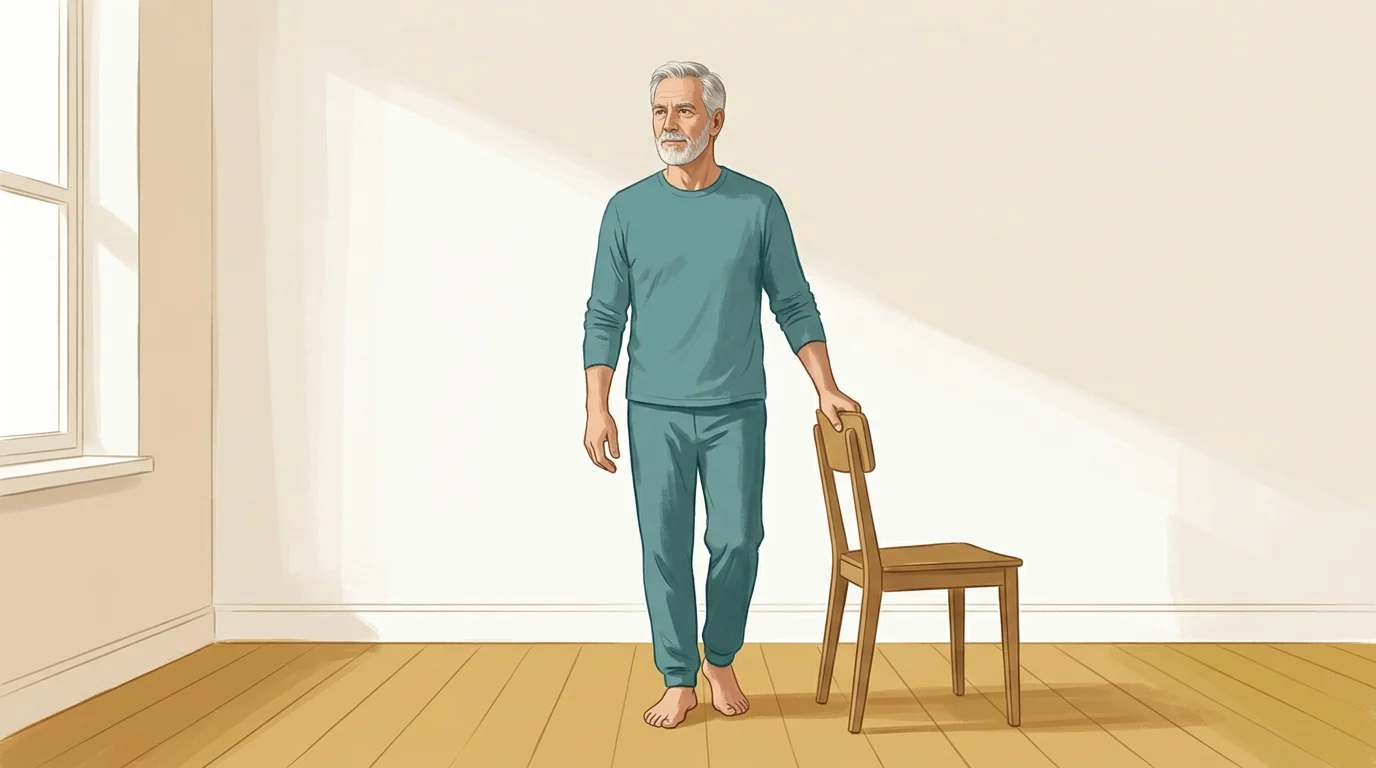
Why a Feldenkrais balance study looks almost too good, and what is worth keeping
A new randomized trial found the Feldenkrais Method improved balance and fear of falling more than conventional drills, and its small size asks for caution.
Jul 24, 2026
When feet lose feeling, can balance still improve?
A new randomized trial tested a gentle Feldenkrais approach to balance in people with diabetic nerve damage. Here is what to raise at your next appointment.
Jul 1, 2026Ready to start moving better?
Gentle, guided lessons for your body. Try your first one free, no credit card required.