
Fibro and Cold Weather: Why Winter Can Feel Harder
Why cold, damp days can turn up pain and stiffness, what the evidence does and does not show, and small, warm ways to stay comfortable and moving.
In short
Many people with fibro say cold weather makes their pain and stiffness worse, though studies on fibro and cold weather give mixed results. Cold can make muscles brace, and winter often brings less light, less movement and poorer sleep. Warmth, gentle indoor movement and pacing may bring more comfort.

Prefer to ease in gently?
See a few gentle exercises for fibromyalgia to try.
Before you begin. Fibromyalgia needs a diagnosis and ongoing care from your doctor or care team. This page is general education, not treatment. Check with your doctor before changing any medicine, and before using heat if you have reduced sensation, diabetes or circulation problems. Seek care for new, different or severe symptoms.
If you live with fibro, cold weather can feel like one more thing your body has to push against. Many people notice more aches, more stiffness and more tiredness once the days turn cold and damp. That experience is common, and it makes sense. This page looks at why winter can feel harder, what we know and what we do not, and some gentle ways to stay warm and moving.
Why fibro and cold weather often clash
Fibromyalgia is a long term condition. It brings pain across the body, along with tiredness and poor sleep. It is more common than many people think. Some estimates suggest nearly 1 in 20 people may be affected to some degree (NHS, 2022).
With fibro, the nervous system tends to turn signals up. Pressure, effort and temperature can all feel louder than they would for someone else. Our Feldypedia article on fibromyalgia and widespread sensitivity explains this in more detail. Cold is a strong signal. So a sensitive system may well react to it.
What we know about fibromyalgia and cold weather
When people with fibromyalgia are asked, many say the weather changes how they feel. Cold days, damp days and sudden shifts in the weather come up most often. Studies that compare daily symptoms with daily weather are less clear. Some find a link for some people. Others find little or no link across a whole group.
So the picture is mixed. Weather sensitivity seems real for some people and not for others. It may also blend with everything else winter brings. Your own experience counts here. If you suspect a pattern, keep a short note each day. Write the weather and how you feel. After a few weeks, you may see whether cold is a real trigger for you.
Four winter changes that can add up
Cold and bracing. When we feel cold, muscles tighten. Shoulders lift toward the ears. Hands curl. The jaw sets. This bracing is a natural way to hold on to warmth. Held for hours, though, it can leave muscles tired and sore. For a body that is already sensitive, that extra effort may show up as more pain by evening.
Less daylight. Short days can lower mood and energy. Less light may also shift your body clock. That can make it harder to fall asleep and wake up at steady times.
Less movement. When it is cold and dark outside, many of us move less. Walks get skipped. We sit closer to the heater for longer. Then the body feels stiffer when we finally get up.
Poorer sleep. Sleep and fibro pain are closely tied. A cold bedroom, a stiff body at night or a shifted body clock can all make sleep lighter. A poor night often makes the next day feel harder.
None of this is your fault. These are ordinary responses to a season. Seeing them clearly can help you choose where to put a little care.
Staying comfortable when fibro meets cold weather
Dress in layers. Thin layers hold warmth well, and you can add or remove them as the day changes. Warm feet, hands and neck often make the biggest difference. Soft socks, fingerless gloves and a light scarf can help, even indoors.
Warm the places you start your day. If you can, warm the bedroom before you get up. A warm bathroom makes the first movements of the morning kinder.
Use warm water with care. A warm bath or shower can ease tight muscles for a while. Keep the water warm rather than very hot. If you have reduced sensation, diabetes or circulation problems, check with your doctor before using heat. Our guide to hot tubs and fibromyalgia has more on water temperature and timing.
Keep gently active indoors. You do not need a long workout. A few minutes of easy movement, several times a day, is enough to stay in touch with your body. Walk slowly around the house. Roll your shoulders. Turn your head from side to side. Stay inside a range that feels easy. Our page of exercises for fibromyalgia has more gentle ideas you can do at home.
Pace your day. Cold days may lower how much you can do. Split tasks into shorter pieces with rests between them. Stop before you feel you must. Pacing helps you avoid doing a lot on a good day and paying for it on the next. If a cold spell does bring on a fibromyalgia flare, that guide has ideas for getting through it.
Protect your sleep routine. Go to bed and get up at similar times each day. Warm the bed before you climb in. Look for some daylight in the morning, even through a window or on a short walk.
Softening cold weather bracing with small movements
The Feldenkrais® Method is a way of learning through movement. It uses small, slow movements done with attention. You do not push or force. You notice what you are doing and how it feels.
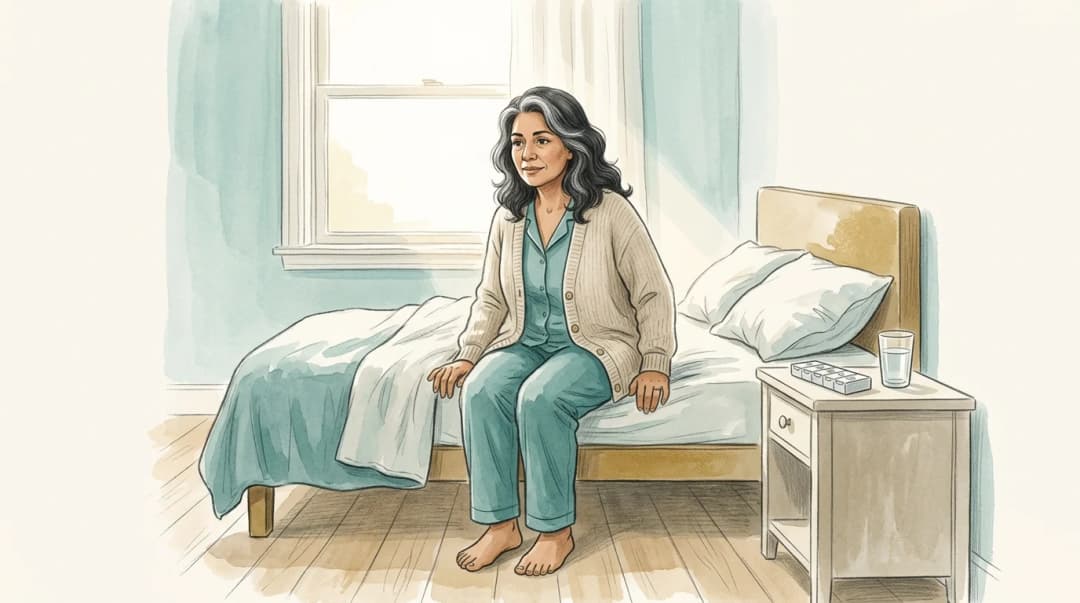
This suits cold mornings well. Before you get out of bed, lie on your back for a moment. Notice where you are holding. Maybe your shoulders are lifted, or your hands are tight, or your breath is short. Then make a very small movement. Let your knees tip a little to one side and come back. Roll your head slowly, only as far as is easy. Rest between each movement.
Often, once you notice a held place, it softens a little by itself. You are not trying to make anything happen. You are giving your body a quiet chance to let go of the bracing the cold invited.
Moving inside a comfortable range matters even more in winter. A cold body may feel tighter, so start smaller than usual. Let the movement grow only if it wants to. Over time, many people find this kind of attention helps them notice bracing earlier in the day, before it builds.
This is the kind of practice you will find in Feldy. Our short audio lessons for fibromyalgia guide you through slow movements you can do lying down or seated. You can try Feldy free and see how a lesson feels on a cold morning.
Alongside clinical care and other methods
Fibromyalgia needs a diagnosis and ongoing care from your doctor or care team. That care stays at the center. Gentle movement education sits alongside it and never replaces it. Talk to your doctor if winter brings a clear change in your symptoms, or before changing any medicine.
Other movement methods can also be good company in winter. Warm water exercise uses buoyancy and warmth so that moving asks less of your joints. Tai chi uses slow, flowing patterns with steady breathing. Yoga links held poses with the breath. Gentle walking builds steady stamina over time. Each works in its own way, and none needs to compete with the others. If you are unsure which suits you, Movement Match can point you toward a movement method that fits how you like to move.
Small, safe movement for a sensitive body
Now for movement that respects a sensitive body. The Feldy program stays well below pain, giving the nervous system room to soften through gentle Feldenkrais® lessons. Gentle, guided, and self-paced.
Start my free 7-day trialNo credit card needed.
Common Questions about fibro and cold weather (FAQ)
Does cold weather affect fibromyalgia?
For many people, it seems to. When asked, a lot of people with fibromyalgia say cold, damp days bring more pain and stiffness. Studies that track symptoms against the daily weather give mixed results, so the link is not the same for everyone. Your own pattern is the most useful guide, and a simple weather and symptom note can help you see it.
Why is my fibro worse in winter?
Several things often stack up at once. Cold makes muscles tighten and brace. Short days bring less light, which can affect mood and sleep. Many people also move less when it is cold and dark. Each change is small on its own, but together they can make a sensitive body feel louder.
What helps fibro pain on cold mornings?
Start warm and start small. Warm the room or the bathroom if you can, and wear soft layers. Before you get up, try a few slow, small movements in bed, such as tipping your knees a little to one side and back. Rest between them. Let the range grow only if it feels easy.
Is it safe to use heat for fibro in cold weather?
Gentle warmth, like a warm bath, a warm shower or a heat pack, suits many people. Keep it warm rather than very hot, and keep sessions short. If you have reduced sensation, diabetes or circulation problems, check with your doctor before using heat, because you may not feel when it is too hot.
How is Feldenkrais different from yoga for fibro in winter?
Yoga often uses held poses linked with the breath. The Feldenkrais Method uses small, slow movements done with attention, often lying down, with plenty of rest. The focus is on noticing how you move and where you hold, rather than on reaching a set shape. Both can sit in a winter routine; they simply work in different ways.
When should I talk to my doctor about winter symptoms?
Talk to your doctor or care team if winter brings a clear change in your symptoms, if you are thinking of changing any medicine, or if heat use worries you. Seek care quickly for any new, different or severe symptoms, such as numbness, swelling, or pain that does not fit your usual pattern. For chest pain, call emergency services.
What is the best way to keep moving with fibro in cold weather?
Short and often tends to suit fibro better than long and rare. A few minutes of easy movement several times a day, indoors and somewhere warm, keeps you in touch with your body without draining you. Stop before you feel you must. Gentle guided lessons can make this easier to keep up on dark days.
Small, safe movement for a sensitive body
See the programRelated resources
Exercises for Fibromyalgia: A Gentle Place to Start
Gentle exercises for fibromyalgia that work with a sensitive body, not against it, with a short paced lesson you can do on a tired day and simple cues to stay below your limit.
Fibromyalgia Flare: Gentle Movement and Pacing to Cope
How to cope with a fibromyalgia flare: rest first, then very gentle movement and careful pacing, with a short flare-friendly lesson and tips on how long a flare lasts.
What 151 trials say fibromyalgia medicines can change, with sleep moving more than pain
Ready to start moving better?
Gentle, guided lessons for your body. Try your first one free, no credit card required.