
How to Combat Fatigue During Perimenopause, Gently
A plan for combating fatigue during perimenopause: gentle movement in small doses, kinder pacing, steadier sleep habits, and knowing when to ask your doctor to look deeper.
In short
How to combat fatigue during perimenopause: pair short spells of gentle movement with deliberate rest, steadier sleep habits, and a medical check to rule out other causes. Small, slow, awareness led movement often supports energy more reliably than pushing through or collapsing completely.

Prefer to ease in gently?
See a few gentle exercises for menopause to try.
Before you begin. Fatigue during perimenopause can have many causes, including thyroid changes, low iron, sleep disorders, and mood, so please ask your clinician to check what else might be going on. The gentle movement ideas here are supportive self care, not a treatment, and not a substitute for medical advice.
If you are searching for how to combat fatigue during perimenopause, the tiredness has probably already outlasted your usual remedies. An early night helps a little, coffee buys you an hour, and the heaviness still returns by mid afternoon. As a Feldenkrais® practitioner, I meet this weariness often in women in their forties and fifties, and I would rather give you a realistic answer than a miraculous one: no single habit dissolves it, but a workable combination exists. Gentle movement, deliberate rest, steadier sleep, and a thorough medical check each carry part of the load, and together they add up to something real.
What makes this tiredness different
Perimenopausal fatigue rarely behaves like ordinary tiredness. Estrogen and progesterone stop moving in tidy monthly curves and start lurching, and sleep is usually the first casualty. The Office on Women's Health notes that low progesterone levels can make it hard to fall and stay asleep, that hot flashes can wake you sweating in the night, and that many women feel more tired than usual during the day (Office on Women's Health, 2025). So anyone working out how to combat fatigue during perimenopause is really facing two tangled problems at once: nights that give back less, and days that ask for more. Naming that matters, because a tiredness with real causes deserves a real strategy rather than self blame.
How to combat fatigue during perimenopause with gentle movement
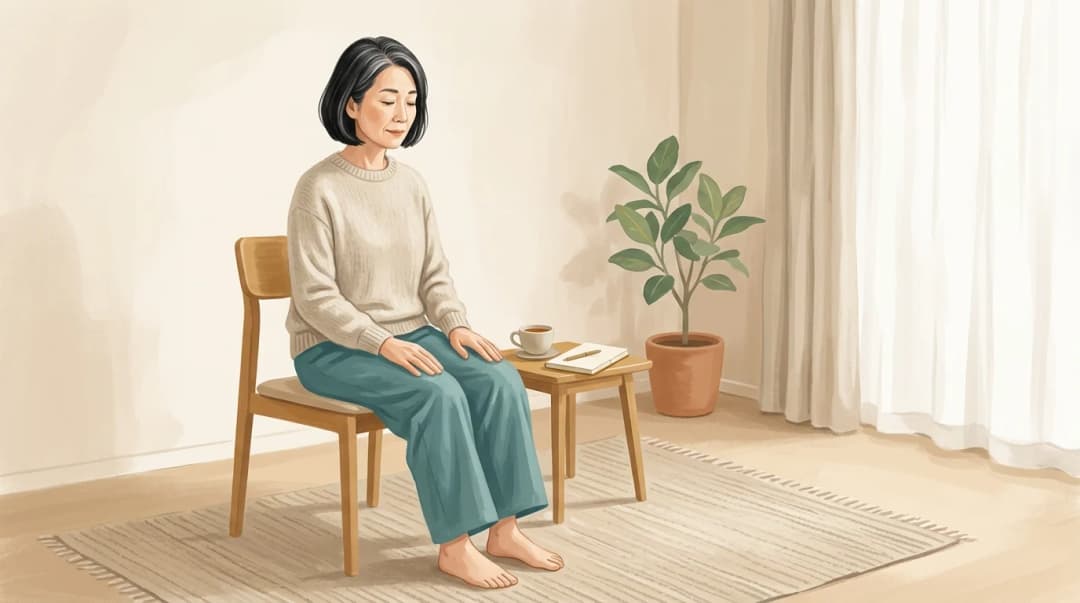
Here is the paradox I watch play out again and again with clients: total stillness often deepens exhaustion, while small, unhurried movement tends to lighten it. I do not mean exercise in the effortful sense. I mean five minutes on the floor or in a chair, moving one small thing at a time, slowly enough to actually feel it. Roll your head a centimeter to each side. Let your ribs join a few easy breaths. Slide a hand along your thigh and back again. In Feldenkrais lessons, this quality of attention seems to tell a busy nervous system that nothing urgent is happening, and many people stand up feeling clearer than when they lay down. For a short lesson to follow, our guide to exercises for perimenopause keeps to slow movement you can do on the floor or in bed.
Two guidelines make this workable on genuinely tired days. First, only go where the movement feels easy and pleasant, and make everything smaller than you think you should. Second, stop while you still have something left; a tired body responds better to several tiny sessions scattered through the day than to one virtuous effort you pay for tomorrow. If you would rather follow a gradual path than improvise, the Feldy program for menopause and midlife is built in exactly this spirit: brief lessons, nothing acrobatic, nothing to push through.
How to combat fatigue during perimenopause beyond movement
Movement is one lever among several, and it pulls best when the others move with it. Sleep deserves first claim on your attention: a consistent bedtime, caffeine kept to the morning, a cooler and darker room, and an unhurried evening wind down all give interrupted nights a better chance. Daytime pacing matters too, since a schedule with no pauses will outspend whatever energy a gentle practice generates. And a meaningful share of this belongs with your clinician. Thyroid function, iron levels, sleep apnea, and mood can each masquerade as hormonal tiredness, and hormone therapy is a conversation worth having if symptoms are eroding your days. I will not pretend movement is a cure, because it is not. What it may do, dependably, is stop muscular tension and shallow breathing from adding their own tax to a system that is already running low.
If you are curious about the wider changes of this life stage, our Feldypedia entry on menopause and physical changes offers a calm overview. And when you want guided company instead of improvising alone, Feldy's 7 day free trial lets you sense whether this slow, attentive style of moving suits your energy before you commit to anything.
Softer movement through menopause
Now, the gentle way to work with it. The Feldy program eases the stiffness and tension of these years through slow Feldenkrais® lessons made for a changing body. Gentle, guided, and self-paced.
Start my free 7-day trialNo credit card needed.
Common Questions about combating fatigue during perimenopause (FAQ)
Is gentle movement safe when I already feel exhausted?
For most people, yes, provided it stays truly gentle: small ranges, a slow pace, frequent rests, nothing that leaves you sore or breathless. Exhaustion is a reason to shrink the movement, not to force it. If fatigue is severe, sudden, or arrives with chest symptoms, dizziness, or shortness of breath, speak with your doctor before adding anything new.
How often should I practice gentle movement for perimenopause fatigue?
Little and often beats occasional and heroic. Five to ten unhurried minutes most days, or two or three tiny sessions scattered through a single day, tends to suit a tired system better than one long weekly effort. Let your energy on the day set the dose, and count resting attentively as part of the practice.
How long before I notice a difference in my energy?
Some people feel lighter after a single calm session, simply because muscular tension and a racing mind have both settled a little. A more dependable shift in daily energy usually builds gradually over several weeks of consistent, gentle practice, and it grows fastest when sleep habits and medical care improve alongside the movement. Nobody can promise a timeline, so watch your own pattern.
How is this different from just exercising more?
Conventional exercise asks the body to spend energy in order to build capacity, which is valuable when you have reserves to spend. Awareness led movement works through a different door: slow, small, attentive motion asks for very little energy while inviting the nervous system to quiet down, so it remains available on days when a workout would flatten you. Many women in midlife find the two complement each other.
When should I talk to a doctor about perimenopause fatigue?
Sooner rather than later, because fatigue has many possible causes beyond hormones, including thyroid conditions, low iron, sleep apnea, and depression, and each one is worth checking properly. Go promptly if the tiredness is severe or worsening, or if it arrives with a racing heart, breathlessness, heavy bleeding, or persistent low mood. Gentle movement is supportive self care, never a replacement for that conversation.
Softer movement through menopause
See the programRelated resources
Perimenopause Fatigue: Gentle Movement and Energy Pacing
A calm guide to perimenopause fatigue, using gentle, well-paced movement to support steadier energy on tired days, plus notes on sleep, hormones, and when to see a doctor.
Lack of Energy in Perimenopause: Why It Happens and What Helps
A warm guide to lack of energy in perimenopause: why it happens, what it really feels like, and how gentle attentive movement can give some back.
The menopause symptoms few women mention, and what eight weeks of pelvic floor work did
Ready to start moving better?
Gentle, guided lessons for your body. Try your first one free, no credit card required.