

What Do Rounded Shoulders Look Like? A Gentle Guide
What do rounded shoulders look like, and how can you spot them in yourself? A kind self-check, what the shape really means, and a short awareness lesson.
In short
Rounded shoulders look like the shoulders rolling forward so the upper back curves and the arms hang in front of the body, with palms often facing backward. Seen from the side, the shoulder sits ahead of the ear and hip. It is a common, normal variation, not a flaw.

Prefer to ease in gently?
See a few gentle exercises for neck and upper back to try.
Before you begin. Treat this as gentle self-care and general information rather than medical advice. Pause any movement should pain spread into your arms or hands, and consult a healthcare professional if symptoms persist or worsen, if you notice numbness, or if your posture shifted abruptly.
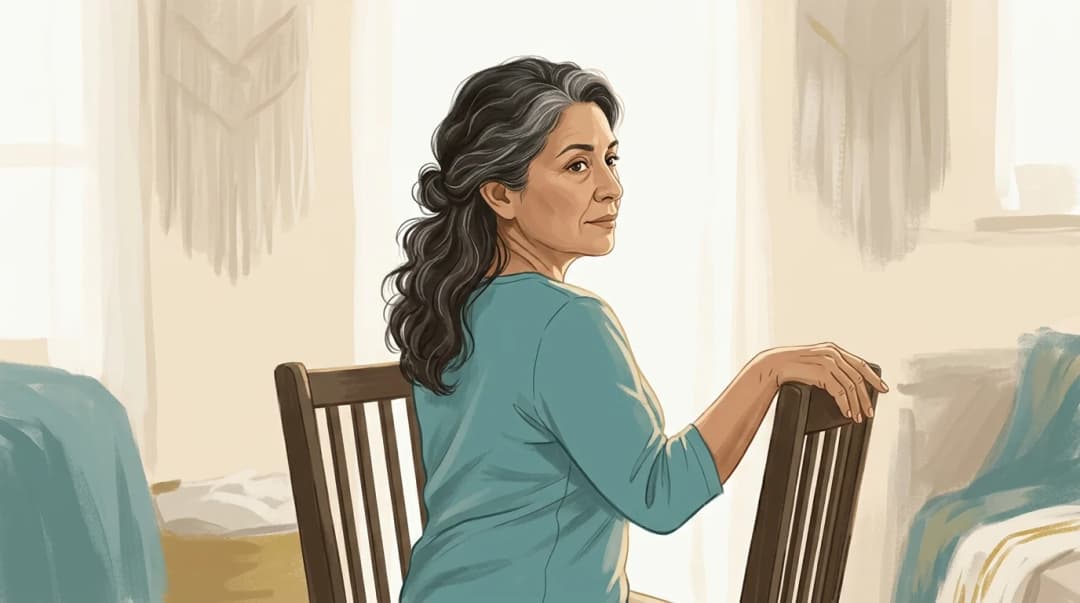
If you have glanced sideways in a shop window and wondered what do rounded shoulders look like, the simplest description is this. The shoulders roll forward, the upper back curves a little more, and the arms hang in front of the body with the palms often turning backward. Seen from the side, the point of the shoulder sits ahead of the ear and the hip rather than stacked above them. It is a common, normal variation in how people carry themselves, and the kindest way to meet it is with curiosity rather than alarm. That gentle, attentive spirit is the heart of the Feldenkrais Method® and similar awareness-led movement.
This shape turns up everywhere, part of the bigger story of how modern bodies feel after long stretches bent toward screens and desks. Musculoskeletal conditions touch about 1.71 billion people across the globe (WHO, 2022), and shoulders that roll forward almost never signal damage. Much more commonly they are an easy posture your body has practised countless times, and practised postures can be coaxed in a new direction.
What do rounded shoulders look like in the mirror
In a mirror facing you, rounded shoulders tend to show as the shoulders sitting forward of the chest, the upper back looking a touch more curved, and the backs of the hands turning toward the front. From the side, the giveaway is the shoulder point drifting ahead of the ear. None of this is a verdict on your body. It is simply the shape your shoulders settle into when they spend many hours reaching toward a keyboard or cradling a phone.
There is a gentler way to read what you see, too. A rounded line is usually the body resting in the position it occupies most, not evidence of weakness or damage. When you swap self-criticism for plain curiosity, you are already part of the way toward an easier shape, because the change begins with noticing rather than judging.
A kinder way to spot rounded shoulders in yourself
You do not need a mirror at all. Stand in your everyday relaxed way and let your arms hang. Notice which direction your palms face. If they turn toward the wall behind you rather than toward your thighs, the shoulders are likely rolled forward. You can also sense it from the inside, feeling whether the chest is a little gathered and the upper back rounded. This inside-out noticing matters more than any photo, because it grows the very awareness that loosens a habit. For more on the way a posture pattern colours how the whole body feels, our Feldypedia article on poor posture and its physical effects goes deeper.
What rounded shoulders really mean, and why it is not a flaw
Once you can recognise the shape, the next gentle step is to drop the idea that it must be wrong. Rounded shoulders are a normal variation, common in anyone who reads, drives, types, or scrolls. The forward roll is your body settling comfortably into a much-used position, not a defect to be ashamed of. Treating it as a flaw tends to invite bracing and tension, which only tires the muscles and makes the slump return.
What genuinely softens the pattern is attention, not grip. Moving gently and on a tiny scale, kept far beneath any effort, while you pay close attention to the sensations, hands the nervous system clear and easy feedback about your own organisation, and it starts releasing the surplus holding that draws everything forward. The short lesson here works exactly this way, and the unhurried lessons in the Feldy program are built around the same patient rhythm. When you would like more gentle movement, our guide to how to fix rounded shoulders and our forward head posture exercises share the same slow, comfortable feel.
A softer neck, a freer upper back
Now for the part that changes it. The Feldy program meets a held neck with slow, listening Feldenkrais® movement rather than force, at home on your own time. Gentle, guided, and self-paced.
Start my free 7-day trialNo credit card needed.
Common Questions about what rounded shoulders look like (FAQ)
What do rounded shoulders look like from the side?
From the side, rounded shoulders show as the point of the shoulder sitting forward of the ear and the hip, rather than stacked above them. The upper back looks a little more curved and the chest a touch gathered. It is a common shape, often a learned holding habit rather than anything broken, so meet it with curiosity rather than alarm.
How can I tell if I have rounded shoulders myself?
A simple, kind check is to let your arms hang while standing relaxed and notice which way your palms face. If they turn toward the wall behind you rather than toward your thighs, the shoulders are likely rolled forward. You can also sense it from the inside, feeling whether the chest is gathered and the upper back rounded, without rushing to fix it.
Are rounded shoulders bad or a sign something is wrong?
Rounded shoulders are a common, normal variation in how people hold themselves, usually shaped by hours at screens and desks. They are not a flaw or a sign of damage. For most people the shape is a habit the body has rehearsed, and habits can be gently rehearsed differently through slow, attentive movement, met with curiosity rather than force.
How often should I do this awareness practice?
Brief and repeated beats long and rare. Pausing for sixty seconds here and there across your day, particularly the moment you notice yourself curled toward a phone, retrains a resting shape much more kindly than a single drawn-out workout. What counts is how regularly and how softly you visit it, far more than the minutes you log.
How is gentle awareness different from posture correctors or bracing?
Straps and bracing pin the shoulders back by force, and the muscles soon tire so the familiar slump creeps back. Gentle awareness takes the opposite route: it offers the nervous system an easier choice, and the shoulders drift back of their own accord. You end up with a roomier resting posture that asks for no clenching whatsoever.
When should I see a professional about rounded shoulders?
Book a visit with a doctor or physiotherapist if discomfort will not settle, if you feel numbness or pins and needles travelling into the arms or hands, if your shape shifted abruptly, or if trouble began with an injury. Easy movement supports general wellbeing and is no replacement for a proper examination when something seems amiss.
A softer neck, a freer upper back
See the programRelated resources
Rounded Shoulders vs Normal: How to Tell the Difference
Rounded shoulders vs normal posture: what the difference really is, why a forward shoulder line is usually a habit rather than a flaw, and what gently helps.
What Are Rounded Shoulders? A Plain Explainer
What is rounded shoulders? A common posture pattern where the shoulders roll forward and the upper back curves. Learn what it is, why it happens, and whether it matters.
Why neck pain trials keep working on the mid back, and what the pain score misses
Ready to start moving better?
Gentle, guided lessons for your body. Try your first one free, no credit card required.