

Softness: Strength Without Strain
Why a soft movement can be just as strong, and what may change when we stop bracing for everything we do.
 Chava SoraniGuild Certified Feldenkrais Practitioner (GCFP)
Part 8 of the At Home in Yourself series.
Imagine carrying a heavy shopping bag up a flight of stairs.
Many of us do it in a similar way. The jaw tightens. The shoulders rise. The free hand makes a fist. Sometimes the breath stops, and we only notice it when we reach the top.
We call this effort. It feels like strength.
But much of it may have nothing to do with the bag.
Most of us learned that being strong means holding firm. Brace yourself. Grit your teeth. Push through. In that picture, softness can sound like the opposite of strength: weak, loose, not really trying.
In the Feldenkrais Method®, softness means something else.
It does not mean doing less than the movement needs. It means not adding what the movement does not need.
Moshe Feldenkrais suggested a simple way to recognize a well organized action: you can stop it, reverse it, or continue it at any moment, without first having to let go of something.
When we brace, we may lose some of that freedom. The whole body tightens around the task. We can still push, but it may be harder to change direction, to feel a small wobble, or to adjust when the next step is higher than we expected.
Softness keeps those options open.
The muscles that are needed still work, and they may work fully. The ones that are not needed can rest. The bones can carry more of the weight. The breath can keep moving. Perhaps this is why a soft movement can feel lighter, even when it is just as strong.
You can try this with your hands, if you like.
Press one palm firmly down onto a table. Notice what else joins in: your jaw, your shoulders, your breath, your other hand.
Now keep pressing, and let your jaw soften. Let the breath move. Let the other hand rest.
Is the pressure really any weaker? Many people find it is not. Some find it easier to keep going.
In an Awareness Through Movement® lesson, we rarely ask for strength directly. We move slowly, often lying down, with small movements and plenty of rest. It can look like the opposite of building strength, and it is not meant to replace strength training or other exercise. What it offers is a chance to feel the difference between the work a movement needs and the strain we add out of habit.
That difference may show up in daily life too.
In the way we lift a suitcase into the car, open a heavy door, or get up from the floor. And in a difficult conversation, when we may notice our shoulders rising before we have said a word.
We don't need to think about softness all day. A lesson is not another task on the list. Sometimes we simply notice, halfway up the stairs, that we are gripping.
Then perhaps one small part of us can let go.
The bag is no lighter.
We may just be carrying it with less of ourselves held tight.
Strain holds a movement in place.
Softness leaves it free to change.
Feel It for Yourself
Softness is easier to feel than to explain. In Feldy's short audio lessons, Chava guides you through slow, gentle movements, lying down at home, so you can notice where you hold on and what happens when you let a little of it go. Your first 7 days are free, no credit card needed.
Begin your free trialFAQ about softness in Feldenkrais
Does softness mean I should stop strength training?
No. Building strength has real value, and a Feldenkrais lesson is not meant to replace it. Softness is about something else: not adding effort that the movement does not need. Many people find that this makes the strength they already have easier to use.
What if pressing or lifting is uncomfortable?
Then stop, or make the movement smaller and lighter. In a Feldenkrais lesson you only go where it feels easy and comfortable, and you can always rest or simply imagine the movement. If pain persists, please see a professional.
← Previous:
Curiosity: Gentler Than Correction
At Home in Yourself is a series on what actually changes in a Feldenkrais lesson, one idea at a time. More are on the way.
Start your free 7-day trial
Start free trialMore Articles

Breath: The Movement You Never Stop Making
What does a breath you did not know you were holding have to do with how freely you move?
Sep 22, 2026
Curiosity: Gentler Than Correction
What changes when the question in your mind shifts from "Am I doing it right?" to "What do I notice?"
Oct 16, 2026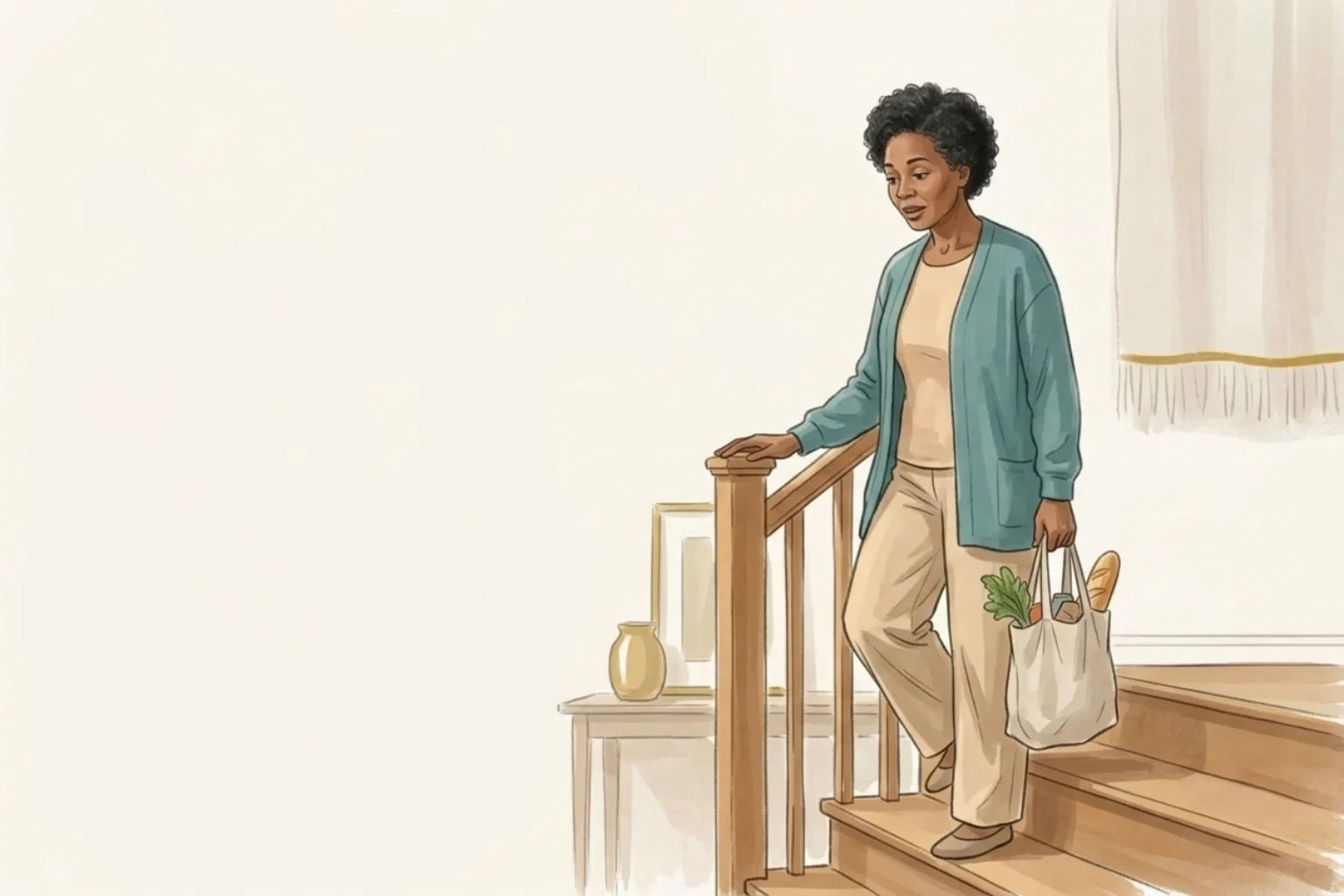
With fibromyalgia, change often shows up beyond the pain score
In four fibromyalgia studies, the clearest change came in daily function and feeling better overall. The pain score moved least, though the evidence is early.
Oct 28, 2026Ready to Start Moving Better?
Try your first lesson for free. No credit card required.