
Somatic Exercises for the Nervous System
Somatic exercises for the nervous system are slow, gentle movements that help a keyed up body settle, by giving your attention something calm and physical to rest on. Rather than trying to relax on command, they let small, easy movements signal to the nervous system that it is safe to soften.
The lessons below come from the Feldenkrais Method®. You move slowly, notice what changes, and let the body find its own way down from tension. Pick one, give it ten quiet minutes, and notice the difference before and after.
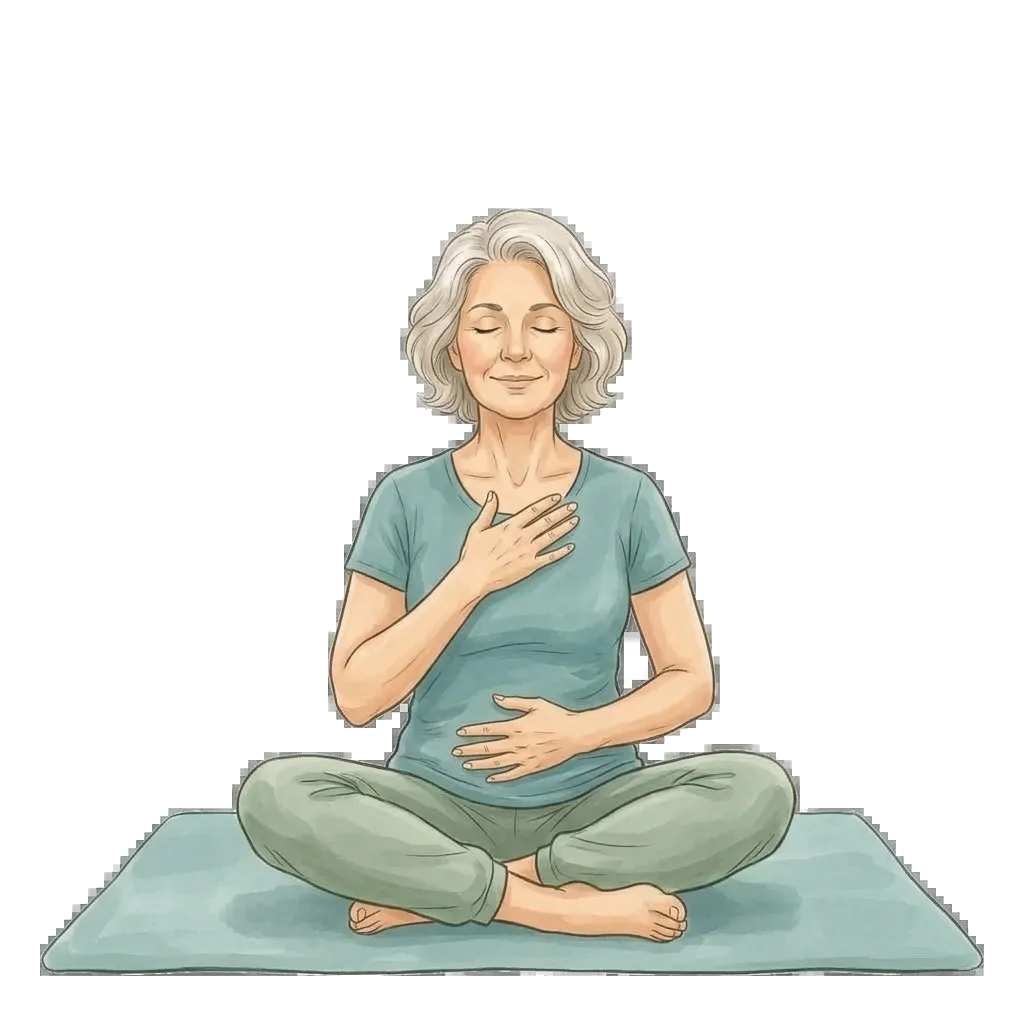
Somatic Exercises for Nervous System Regulation: A Gentle Start
Somatic exercises for nervous system regulation use slow, attentive movement to help a keyed-up body settle. Here is how it works, with a short lesson to try.
Nervous System Regulation Exercises: Gentle Practice
Nervous system regulation exercises that use slow breath and small, easy movement to help a wound-up body settle. A short 5 to 10 minute lesson to try at home.
Somatic Exercises for Anxiety: Gentle Movement That Calms
Somatic exercises for anxiety use slow, grounded movement to ease a body stuck on high alert. Learn why it helps, with a short lesson you can try anywhere.
Somatic Exercises for Stress: Slow Movement to Unwind
Somatic exercises for stress help a body let go of the day it has been carrying. Try a short lying down lesson that trades effort for quiet attention.
Stretching for Anxiety: A Slower Lesson That Helps More
Stretching can take the edge off an anxious body, but slowness is the part that does the work. Here is a quiet lying down lesson built around that.
Grounding Techniques for Anxiety, Through the Body
Grounding techniques for anxiety that work through slow movement and contact with the body, with a short lesson for settling when the mind feels busy or racing.
Vagus Nerve Exercises for Anxiety: Gentle and Candid
Vagus nerve exercises for anxiety, without the overclaim: a slow floor lesson built on a longer out breath, easy head rolls, and unhurried attention. Try it below.
Relaxation Techniques for Social Anxiety You Can Do Sitting
A short, invisible chair practice for the minutes before you walk into a room, built on attention rather than on trying harder to calm down.
Breathing Exercises for Anxiety: A Gentle Lesson to Try
A short, unforced lesson in breathing exercises for anxiety: notice your breath, let your ribs and belly move a little, and let the out breath be easy.
Exercises for Emotional Regulation: A Gentle Practice
Exercises for emotional regulation that use slow movement, orienting and your breath to help you notice a feeling early, stay steady with it, and come back to calm.
Awareness of Breath: A Lesson in Noticing, Not Controlling
A quiet lesson, lying down or sitting, for feeling where your breath already moves in the belly, ribs, back and collarbones, with nothing to count or change.
Neuroplasticity Exercises: A Gentle Feldenkrais® Lesson
A short lying or seated lesson in which the head and eyes learn a new way to travel together, with rests, so you can feel what learning through movement is like.
Somatic Breathing: A Lesson in Feeling Where Your Breath Moves
A quiet somatic breathing lesson, on your back and then on one side: feel where the air already travels, belly, ribs and back, with nothing to count.
Guided Imagery for Relaxation: A Lesson in Stillness
Your brain does not draw a hard line between a movement you make and one you vividly imagine. This lesson uses that, lying still, with almost nothing to do.
Deep breathing techniques for nervous system regulation
A quiet lying down lesson in slower, easier breathing: meet the breath as it is, let the exhale grow a little longer, and let the body settle.
Diaphragmatic Breathing Exercises You Can Do Lying Down
A quiet lying down lesson for finding the breath you already have, with your hands resting on your lower ribs and nothing to push or perform.
Box Breathing for Anxiety: A Count You Can Feel
A slow walk through box breathing for anxiety: four counts in, a rest, four counts out, a rest, and the quieter skill of feeling where each breath travels.
Breathing Exercises for Panic Attacks: Practise While Calm
What panic does to your breathing, and a gentle Feldenkrais informed lesson to practise on calm days, so a quieter pattern is familiar when you need it.
Deep Breathing Exercises for Performance Anxiety
A short seated lesson in deep breathing exercises for performance anxiety: giving the ribs, back, and shoulders room to move so the breath can settle before you go on.
Yoga for Nervous System Regulation, and a Gentler Path
Gentle ways to settle a wired, stressed body: what yoga offers, plus a slow somatic floor lesson built around tiny knee rocking, soft breath, and rest.
Deep Breathing Exercises for Relaxation: A Gentle Set
Deep breathing exercises for relaxation, built around a slow, easy belly breath and a longer exhale. A short 5 to 10 minute lesson to try at home, with nothing to force.
Somatic Exercises for Emotional Release: Let It Move
Somatic exercises for emotional release use gentle movement to let held feeling like anger or grief move through the body. A short, kind lesson to try at home.
Somatic Exercises for Functional Freeze: Gentle Reboot
Somatic exercises for functional freeze use tiny, warm movement to coax a shut down body back toward life. A short, doable lesson you can start in bed.
Somatic Exercises to Reduce Cortisol: Slow It Down
Somatic exercises to reduce cortisol use slow breath and easy movement to calm the stress response. A short, gentle lesson you can do almost anywhere.
Somatic Shaking Exercises: Gently Release Held Stress
Somatic shaking exercises use soft, voluntary tremor to help the body discharge tension. Learn how to try it safely, with a short lesson and clear cautions.
Frequently asked questions
What are somatic exercises for the nervous system?
Slow, gentle movements that help the body shift out of a braced, guarded state. By moving with easy attention, you give the nervous system cues of safety, and tension tends to ease on its own.
Can they help with anxiety or stress?
Many people find they can. Gentle movement and attention give an anxious mind a calm anchor in the body. They are a supportive practice, not a treatment, and sit alongside any care from your clinician.
How are they different from meditation?
Meditation often asks you to sit still. These use slow, small movement as the focus, which many people find easier when the body feels restless or wound up.
How often should I do them?
As often as helps. A few quiet minutes when you feel wound up, or a daily habit, both work. There is no strain, so you can return to them freely.
See the Feldy program for Anxiety & a hypervigilant nervous system
Gentle, guided lessons. Try your first one free, no credit card required.