
Somatic Movement Therapy: What It Is and How It Helps
Somatic movement therapy is a gentle, attention based practice that works with tension, stress, and long held pain through slow movement. What it is, and who it helps.
In short
Somatic movement therapy is a gentle practice that uses slow, attentive movement to work with tension, stress, and long held pain from the inside out. It teaches the nervous system easier ways to move, rather than treating the body from the outside. The Feldenkrais Method is one well studied form.

Prefer to ease in gently?
See a few gentle exercises for body awareness to try.
Somatic movement therapy is a gentle, attention based practice that uses slow movement to work with tension, stress, and long held pain from the inside out. Where much of exercise asks you to push toward a result, this approach asks you to slow down and notice, so your nervous system can find easier ways to move. The word somatic points to the living body as you experience it from within, and that first person view is the whole idea. The Feldenkrais Method® ranks among the best researched approaches within somatic movement therapy, and it shapes how we at Feldy think about this quiet, curious kind of work.
Interest in gentle, attention based movement has good reason behind it. One research review that pooled 20 randomized controlled trials of the Feldenkrais Method reported encouraging signs for functions such as balance, with no adverse events noted, though its authors described the evidence as still emerging rather than settled (Hillier and Worley, 2015). It is a reminder that this is supportive movement education, helpful and low risk, rather than a cure for any condition.
What somatic movement therapy is
At its heart, somatic movement therapy is learning, not treatment in the medical sense. When you move slowly enough to feel the fine detail of a motion, your brain receives clear feedback, and with that feedback it can quietly update habits of holding it no longer needs. Speed and effort tend to drown out that signal, which is why the movements stay small, slow, and comfortable. You are refreshing the conversation between brain and body rather than forcing a muscle to change.
This also explains why curiosity matters more than trying hard. There is no shape to achieve and no repetition to count. You make a small movement, sense what happens, try a gentle variation, and notice the difference. If you would like the plainer version of the underlying idea, our companion explainer on what somatic movement is lays out the concept, and our Feldypedia guide to the Feldenkrais Method traces where much of this work comes from.
What a somatic movement therapy session looks like
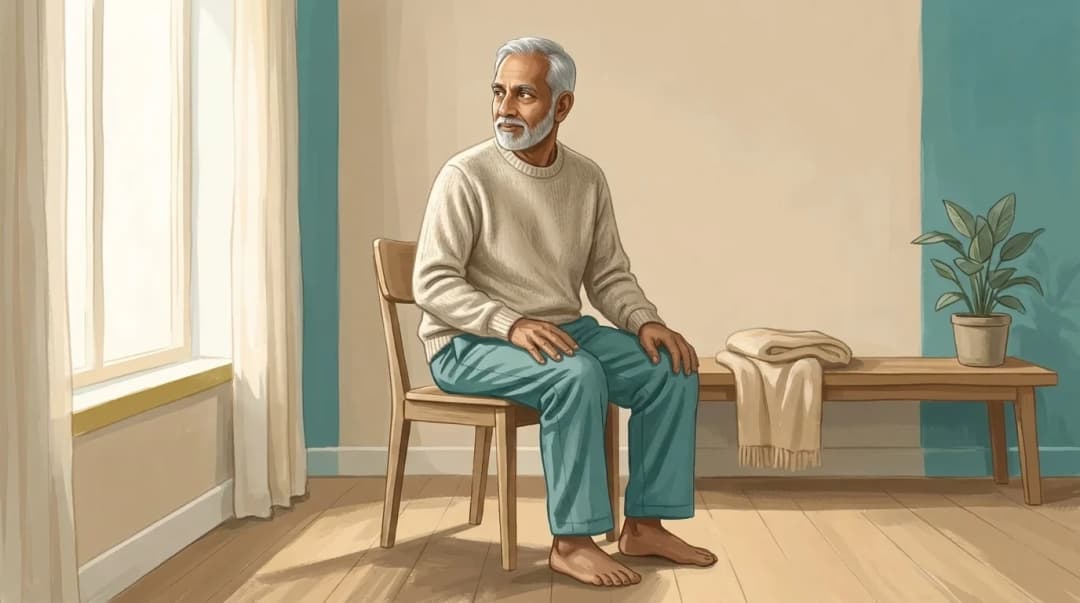
A session is usually slow and unhurried. In a group class a teacher guides small movements with their voice while you lie on a mat or sit in a chair, and in a one to one setting a practitioner may add a light, supportive touch to help you sense a pattern more clearly. You stay clothed, you rest often, and you set the pace. There are no aggressive stretches and no straining toward an end range. Much of the time is spent simply noticing, because in this approach attention is the active ingredient and the pauses are part of the practice, not gaps in it.
Different lineages share this same spirit while teaching in their own way. Feldenkrais Awareness Through Movement® lessons and Hanna Somatics are two of the better known approaches, alongside others, and they all rest on the same core idea of learning through slow, attentive movement.
What somatic movement therapy helps with
People usually arrive with something ordinary and wearing: a stiff, guarded body, chronic tension, stress that will not settle, restless sleep, clumsy coordination, or a sense of having lost touch with how they move. Somatic movement therapy tends to help most where habit and holding are part of the story, since gentle movement gives the body a way to sense those patterns and let them soften. It is not a treatment for a specific diagnosis, and it works best alongside medical or mental health care rather than in place of it. If you are recovering from injury, living with a diagnosed condition, or working through trauma, a qualified professional should guide you, with this practice as a gentle support.
How to begin
You need very little to start: a bit of floor or a chair, a few quiet minutes, and a willingness to move slowly and pay attention. A short guided lesson is the easiest way in, because someone else holds the thread while you simply notice. Our somatic exercises for beginners walk through a first session step by step, and if deeper body awareness is what you are after, that is a path rather than a single session. The Feldy program strings these lessons together so you can build the habit gently, at home, on your own time.
Learn to listen to your body
Now for the practice that trains it. The Feldy program sharpens your attention through slow, attentive Feldenkrais® lessons, so everyday movement feels lighter and more your own. Gentle, guided, and self-paced.
Start my free 7-day trialNo credit card needed.
Common Questions about somatic movement therapy (FAQ)
What is somatic movement therapy in simple terms?
It is a way of working with the body through slow, attentive movement, guided by how a motion feels from the inside rather than how it looks. A teacher or practitioner leads you through small, comfortable movements and invites you to notice what changes. The aim is easier movement and a calmer body, not performance or a workout.
What happens in a somatic movement therapy session?
Most sessions are slow and quiet. You might lie on a mat or sit in a chair while a practitioner guides small movements with their voice, sometimes with a light, supportive touch in a one to one setting. There is a lot of pausing and noticing. You stay clothed, you set the pace, and nothing is pushed to the edge of comfort.
What does somatic movement therapy help with?
People come to it for stiffness, chronic tension, stress, unsettled sleep, poor coordination, and a sense of feeling disconnected from the body, often after a long stretch of pain or worry. It tends to help most where habit and holding are part of the picture. It is supportive movement education, not a cure, and it works alongside medical care rather than replacing it.
How is somatic movement therapy different from physiotherapy or exercise?
Physiotherapy assesses and treats a specific injury or condition, and the two can sit comfortably side by side. Ordinary exercise builds strength or fitness through effort and repetition. Somatic movement therapy works by a different route: it uses attention and gentle movement to update habits of tension, so the change comes through learning rather than through strain.
How often should I practice, and how soon might I notice a change?
A little and often suits this kind of work, since it asks nothing that needs recovery time. Many people feel calmer or looser within a single session, while steadier changes in how you move and feel build over weeks of regular practice. Consistency matters more than intensity.
Is somatic movement therapy safe, and can it replace medical or mental health care?
Because it stays gentle and below the point of strain, it suits most people, including those who find vigorous exercise difficult. It is not a substitute for medical or mental health care. If you have pain, an injury, a diagnosed condition, or you are working with trauma, check with a qualified professional and treat this as a support alongside their guidance.
Learn to listen to your body
See the programRelated resources
What Is Somatic Movement? A Plain Explainer
What is somatic movement? It is slow, attentive movement done from the inside out. Learn how it differs from exercise, who it helps, and how to try it.
Somatic Exercises for Beginners: A Simple First Lesson
New to somatic exercises for beginners? This gentle guide explains how slow, mindful movement works, with an easy first lesson you can do at home today.
Shoulders turned further after a slow, varied lesson than after repeating one twist
Ready to start moving better?
Gentle, guided lessons for your body. Try your first one free, no credit card required.