
How to Fix Bad Posture: The Gentle, Lasting Way
How to fix bad posture without bracing or forcing, by easing the habitual holding that pulls you down so the spine finds its own easy height, plus a short lesson.
In short
To fix bad posture, you do not clench into a stiff, correct position. You ease the habitual holding and slumping that quietly pulls you down, then let slow, attentive movement teach the spine to find its own easy, upright length. Awareness works better than force.

Prefer to ease in gently?
See a few gentle exercises for body awareness to try.
If you have ever caught your reflection and wondered how to fix bad posture, the most useful first move is to let go of the idea that the answer is a rigid, military upright. What we call bad posture is rarely a flaw to scold. It is usually a habitual pattern, a way of holding and collapsing that your body settled into over years of sitting, screens, and stress. The kinder and more lasting path, drawn from the Feldenkrais Method® and other attentive movement work, is to ease that holding so the spine can find its own easy length, rather than to brace yourself into a shape you then have to defend all day.
It helps to know how common this is. Musculoskeletal conditions, including the everyday back and neck complaints so often tangled up with posture, affect roughly 1.71 billion people worldwide (WHO, 2022). A great many of those aches are bound up with how we hold ourselves, which is exactly why a gentler, less effortful approach is worth exploring.
Why forcing a stiff position does not fix bad posture
The familiar advice is to pull the shoulders back, lift the chest, and grip it in place. For a few seconds it reads as more upright, yet it is really a clench in disguise. Those mid-back muscles soon tire, the low back often pinches into too much arch, the throat and neck tighten, and before long you settle right back into the old slouch, a little wearier for the effort. A posture you can actually live in is never something you squeeze into and guard. It shows up the moment you quit the quiet downward pull. Once the long-held tension across the front of the body eases, the spine has room to stack itself and rise with no doing on your part.
This is why labeling a posture as wrong rarely helps. The body found that pattern for a reason, often comfort or protection, and willpower alone does not undo it. Awareness does. When you can feel what you are actually doing, gentler options appear on their own.
How to fix bad posture by retraining the habit, not the moment
Posture is not really about one good position. It is about the hundreds of small choices your nervous system makes all day, mostly below awareness. So the work is less about catching yourself and yanking upright, and more about giving your system clearer information and easier options. Slow, attentive movement does precisely that. As you notice how you sit, stand, and shift, the brain updates its sense of where ease lives, and the slump loosens its grip without a fight.
You can read more about the wider picture in our Feldypedia guide to poor posture and its physical effects, which explains why habitual holding tires the body and how gentle attention helps it let go.
A gentle lesson to ease bad posture
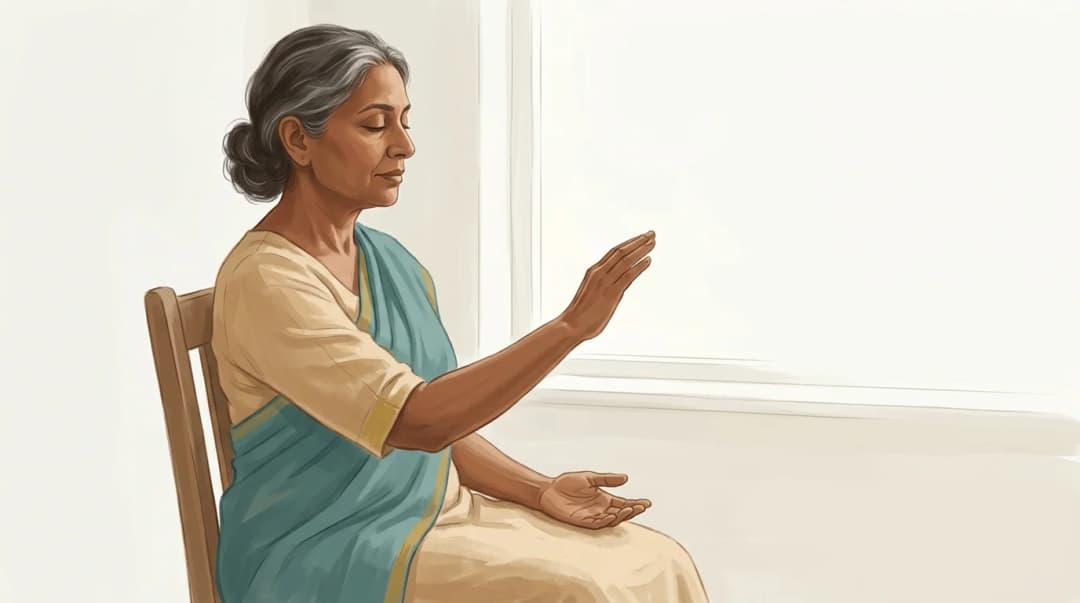
Instead of forcing a position, you slow right down and pay close attention to how you are arranged, so the nervous system gathers quiet evidence that letting go is safe. You rock the pelvis through a tiny range, let the head float so the spine lengthens, soften the shoulders without pulling them back, and then carry that ease into standing. There is no target and no shape to grip. The smallness and slowness are the active ingredients, because a body that is invited rather than commanded is far more willing to change.
The Feldenkrais approach behind this gentle method is the heart of the Feldy body awareness program, which takes these lessons considerably further. If your head tends to jut forward, our guide on how to fix forward head posture shares the same unforced spirit, and the gentle posture exercises offer a longer practice to settle into.
Carrying easier posture into your day
Sitting tall in a quiet lesson is one thing. Remembering it while you work, drive, or scroll is another, and this is where the real change lives. What works is not vigilance but kindness, repeated often. Scattered through the day, just check in with how you are sitting or standing, give the head one floating breath upward, and let the shoulders pour down. Stacked up over weeks, these tiny friendly check-ins reshape the habit far more deeply than any stern correction ever could. Posture, after all, is not a position you achieve once. It is a living conversation between you and gravity, and it answers best to curiosity.
Learn to listen to your body
Now for the practice that trains it. The Feldy program sharpens your attention through slow, attentive Feldenkrais® lessons, so everyday movement feels lighter and more your own. Gentle, guided, and self-paced.
Start my free 7-day trialNo credit card needed.
Common Questions about how to fix bad posture (FAQ)
How do you fix bad posture?
Less by forcing a stiff upright shape and more by easing the habitual holding that pulls you down. Gentle, attentive movement helps the spine lengthen on its own, the head float lightly, and the shoulders rest, so an easier posture becomes comfortable rather than a position you must clench to keep. Frequent small reminders work better than one big effort.
Can bad posture be corrected, or is it permanent?
For most people, everyday slumping is a changeable habit rather than a fixed structure, so it can ease a great deal with patient, gentle practice. Some causes, such as advanced spinal changes, are more set, yet even then comfort and movement usually improve. The aim is a kinder, more usable posture, not a perfect one.
How long does it take to fix bad posture?
Quite often a single, unhurried session already leaves you feeling lighter and more open, just from setting down some of the holding. The kind of change that stays with you from morning to night tends to grow across a few weeks of calm, repeated practice. Because posture is a habit you live rather than a task you finish, small and regular beats rare and forceful.
Is it safe to do posture exercises, and who should be careful?
Gentle awareness movement is low-risk for most people because it stays small and pain-free and never forces. Stay inside a range that feels easy, and leave out anything that pinches or hurts. If you live with a spinal diagnosis, a fresh injury, pronounced osteoporosis, lightheadedness, or shaky balance, run it past your doctor or physiotherapist first, and feel free to do the whole thing seated if being on your feet feels wobbly.
How is this different from forcing my shoulders back?
Dragging the shoulders rearward recruits muscles that give out in a minute or two, which is why the slouch creeps back and the neck starts to grumble. Letting the long-standing grip soften instead invites the head to rise and the back to lengthen by itself, so an upright shape feels relaxed and self-sustaining rather than a clench you must keep renewing.
Learn to listen to your body
See the programRelated resources
Wall Exercises for Posture: Gentle Feedback Practice
Wall exercises for posture that use a wall as quiet sensory feedback, not a brace, with a short gentle lesson to help your spine find easier, more upright length.
How to Stand Taller: Gentle Movement, Not Forcing
How to stand taller without bracing your shoulders back, by easing habitual holding so your head floats up and the spine lengthens, plus a short gentle practice.
Your balance got better, but did your sense of where your body is get better too
Ready to start moving better?
Gentle, guided lessons for your body. Try your first one free, no credit card required.