

How to Walk in Heels Without Pain: A Movement Approach
You cannot make heels neutral, but you can change how you meet the ground in them. Shoe choices, walking habits, and what to do before and after.
In short
To walk with heels without pain, choose a lower, thicker heel and a toe box that does not squeeze, take shorter steps, and let your pelvis and ribs turn so your feet are not doing all the work. No technique makes heels neutral, so the height and the hours matter most.

Prefer to ease in gently?
See a few gentle exercises for body awareness to try.
Before you begin. Persistent foot pain deserves a proper look rather than a better technique. See a podiatrist or doctor about burning or numbness between the toes, a painful bump at the base of the big toe, sharp heel pain, a toe that has changed shape, or any foot problem if you have diabetes or reduced sensation in your feet.
How to walk with heels without pain starts with an honest admission: a raised heel changes the job your foot is doing, and no technique undoes that. What you can change is which shoes you pick, how long you stay in them, how you meet the ground, and what you give your feet afterward. Those four things together make a real difference, and they are all within your control.
For context on how common joint trouble is at the other end of the chain, the knee carries the largest share of osteoarthritis, around 365 million people (WHO, 2023). Heels are not a proven cause of that, and the research on long term joint effects is genuinely mixed. What is clear is that they move load forward, which is worth knowing when you choose a pair.
What a heel actually does to your walking
Three changes happen at once.
Weight moves forward. More of your body load arrives at the ball of the foot and the toe joints, which are not built to carry as much of it for as long.
The ankle is held pointed. Your calf and the tendon behind your heel spend hours in a shortened position, which is why they complain when you go flat again.
Your base narrows. A small heel tip gives your ankle much less to balance on, so the muscles around it work continuously, and your knee, hip, and lower back adjust to keep you upright.
None of this is an emergency. It does explain why the ache tends to arrive in the forefoot, the calves, and sometimes the lower back rather than in the shoe itself.
The shoe choices that matter most
Technique is the smaller lever. The shoe is the bigger one.
- Height. Lower keeps less weight on the front of your foot. A modest heel is a different experience from a tall one, not a lesser version of it.
- Base. A block or wedge gives your ankle a wider platform than a stiletto, so it steadies you with less effort.
- Toe box. Room across the toes protects the joints and the nerves that pass between them. Pointed and narrow is the combination that most often produces burning or numbness.
- Fit time. Try shoes on late in the day, and fit the larger foot.
How to meet the ground
With the shoe chosen, a few habits help.
Take shorter steps than you would in flats. A long stride in a heel arrives hard at the front of the foot. Let the heel of the shoe touch a moment before the front, so you are still walking rather than tipping forward onto your toes.
Then the part most advice misses: let your pelvis and ribs turn a little as you go. Walking is a whole body rotation, not a leg activity, and when the middle of you takes part, your arms swing and your feet stop carrying the whole job. Our guide on walking posture goes into that pattern, and Feldypedia on gait changes and walking difficulty covers what happens when it quietens.
Keep your eyes up and ahead. Watching your own feet makes balance harder, not easier.
Afterward, and in between
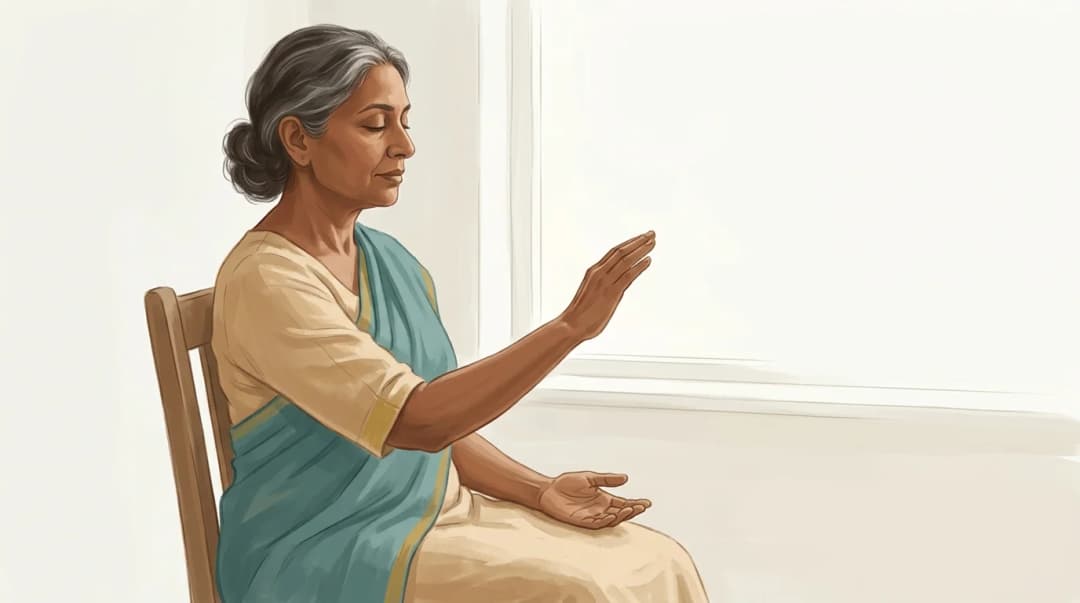
When the shoes come off, give your feet a few quiet minutes rather than a hard calf stretch. Sitting down, let each foot draw slow arcs and small circles. Let the toes spread and soften. Notice how far up the leg the movement travels, and whether one foot feels more available than the other.
Alternating heel heights through the week does more good than one heroic stretching session. Our foot exercises lesson is a gentle option, and if your heel is the sore part, our guide on heel pain when walking covers the usual causes.
Where gentle movement fits
The Feldenkrais Method® works on how a movement is organised rather than on how strong or flexible you are. In an Awareness Through Movement® lesson you lie down and move slowly in small ranges, noticing what takes part and what does not. People often find walking feels lighter afterward, because the pelvis and ribs rejoin a job the feet had been doing alone. Evidence for the method is still limited, so treat this as a promising direction rather than a proven fix.
Feldy puts that into short voice guided audio lessons you can do at home. Our somatic exercises for beginners is the easiest way in, and the body awareness program page shows how it fits a normal week.
Find where to start
If your feet complain often, whatever you wear, the habit is worth looking at rather than only the shoes.
Want to know which gentle practice would suit your feet? Take the 60 second Movement Match quiz and get one matched movement method, plus a first step for this week.
Learn to listen to your body
Now for the practice that trains it. The Feldy program sharpens your attention through slow, attentive Feldenkrais® lessons, so everyday movement feels lighter and more your own. Gentle, guided, and self-paced.
Start my free 7-day trialNo credit card needed.
Common Questions about walking in heels without pain (FAQ)
Can you walk in heels without any pain at all?
Sometimes, for a while, in the right pair. A heel tips your weight toward the front of the foot and holds the ankle pointed, so the load is genuinely different from flat shoes. Lower heels, a wide enough toe box, a thicker heel, and fewer hours make far more difference than any walking technique. Honest expectations help here.
What is the best way to walk in high heels?
Shorter steps than you would take in flat shoes, with the heel of the shoe meeting the ground a moment before the front. Let your pelvis and ribs turn a little as you go, so your arms swing and your legs stop working alone. Keep your eyes up and ahead, because looking at your feet narrows your balance rather than helping it.
How should I choose heels that hurt less?
Look at three things: height, base, and room. A lower heel keeps less weight on the forefoot. A block or wedge gives a wider base than a stiletto, so your ankle has less steadying to do. A toe box that does not press your toes together spares the joints and nerves that live there. Fit the shoe to your wider foot, late in the day.
Why do my calves ache after wearing heels?
Because a raised heel keeps the ankle pointed downward for hours, so the calf muscles and the long tendon behind the heel spend the day short. They then object when you go flat again. Slow, comfortable ankle and foot movement afterward usually settles this better than a hard stretch.
How often is too often for heels?
There is no single number, though daily all day wear is the pattern that most often leads to complaints. Alternating with flatter shoes, and giving your feet a barefoot spell in the evening, spreads the load. If you can vary the height across the week, your feet notice.
What should I avoid when wearing heels?
Avoid brand new shoes on a long day or an uneven pavement. Avoid pointed toe boxes that squeeze, avoid standing still for long spells, which is harder on the forefoot than walking, and avoid carrying a heavy bag on one shoulder. Avoid running for a train in them, which is where most ankle injuries happen.
What is the best exercise for feet after wearing heels?
Small, slow ankle and toe movement rather than a forceful calf stretch. Sit down, let the foot draw gentle arcs and circles, let the toes spread and soften, and notice how far up the leg the movement travels. Two or three quiet minutes per foot is enough to help them feel less clenched.
How is this different from orthotics or a podiatrist visit?
Orthotics and podiatry work on structure and support from outside, and for some feet that is exactly the right answer. Awareness based movement works on how you organise walking, so less of the load piles into one spot. They sit alongside each other, and if a podiatrist has given you advice, follow that first.
When is foot pain a reason to get it checked?
Get a podiatrist or doctor to look at burning or numbness between the toes, a tender bump beside the big toe, a stab under the heel on your first morning steps, a toe that is changing shape, or swelling that is still there the next morning. Go sooner if you have diabetes or reduced feeling in your feet, where small problems need early attention.
Pick the shoe carefully, keep the steps short, let the whole of you take part in the walk, and give your feet a few kind minutes once the shoes come off.
Learn to listen to your body
See the programRelated resources
Pain on Inside of Ankle: What Lives There and What Helps
A map of the inner ankle, the patterns that show up there, and why the whole leg has a say in what that small area is asked to carry.
Pain on Top of the Foot: Common Causes and Gentle Help
Why pain shows up across the top of the foot rather than the sole, which causes are ordinary and which need checking, and how kinder walking takes the pressure off.
Your balance got better, but did your sense of where your body is get better too
Ready to start moving better?
Gentle, guided lessons for your body. Try your first one free, no credit card required.