
What a Feldenkrais Lesson Actually Is, for Physiotherapists
What happens in a Feldenkrais lesson, who teaches it, what it does not do, and how it can sit next to the plan of care you set.
 Chava SoraniGuild Certified Feldenkrais Practitioner (GCFP)
Between Sessions, No. 5: the Feldenkrais Method® alongside physiotherapy.
A patient tells you she has started doing Feldenkrais at home. She says it helps on the harder days. You are pleased, but you may wonder what she actually does.
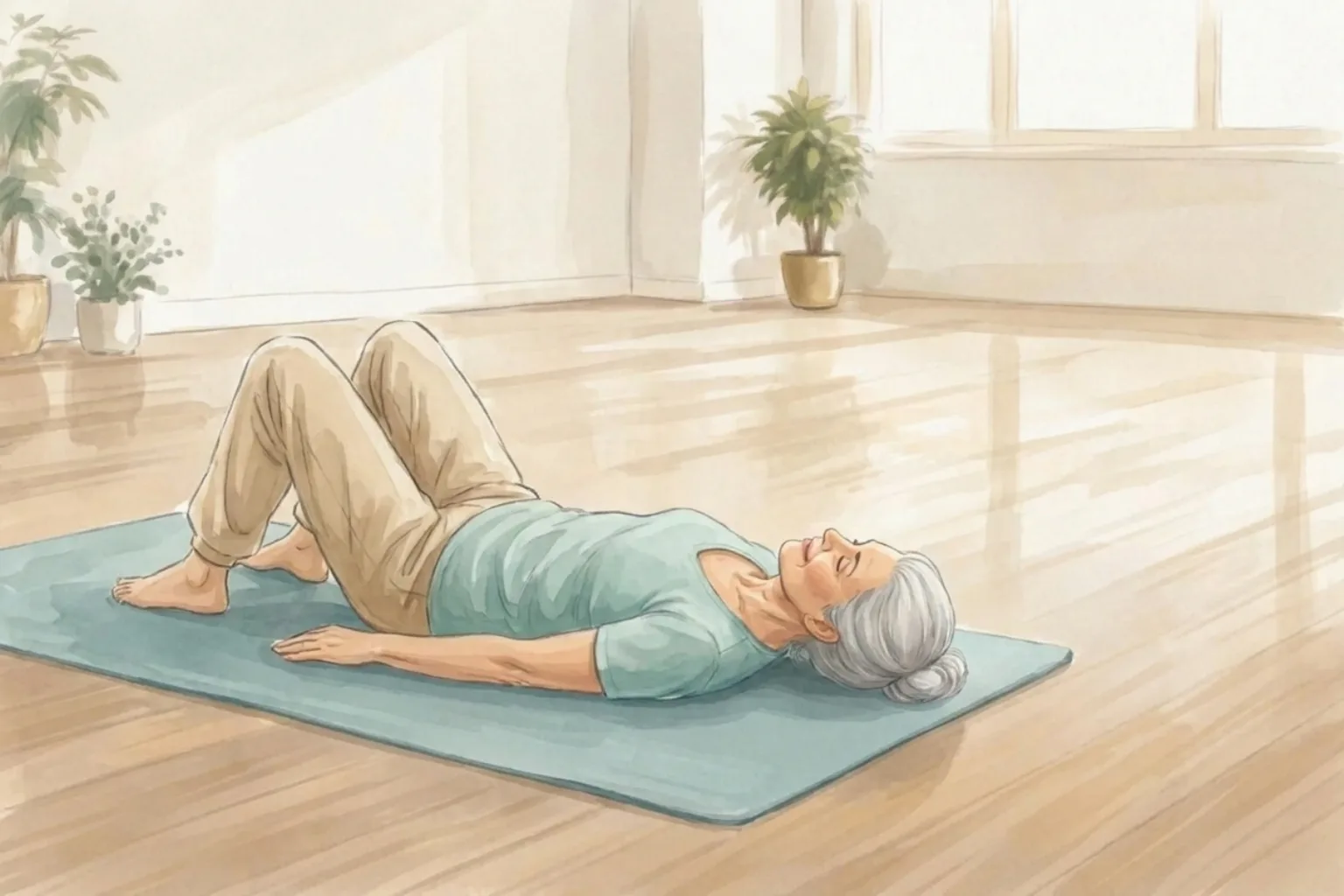
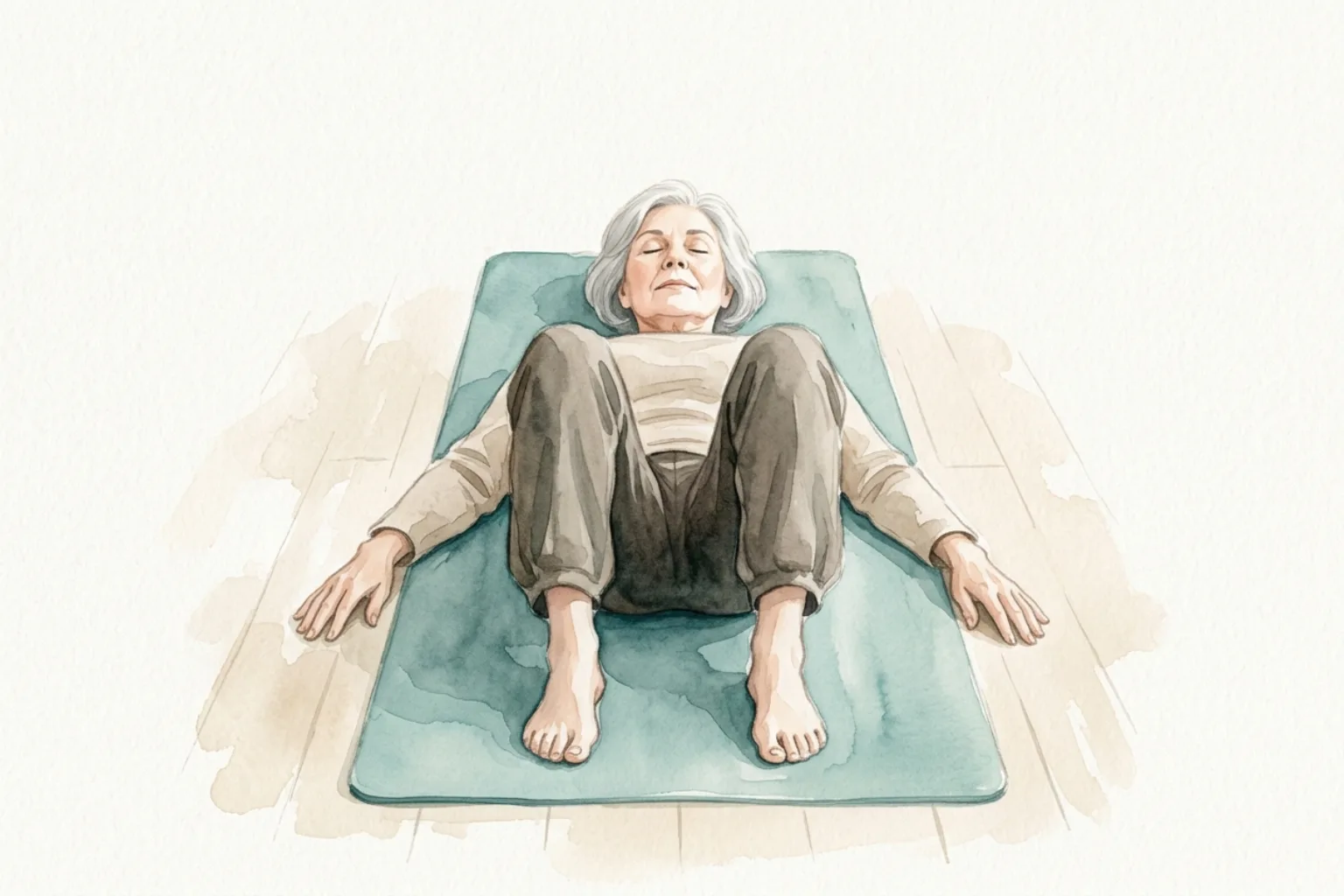
She probably lies down, and a voice guides her through one slow, small movement. She repeats it with small changes and many rests, and she is asked to notice how she does it. Nobody counts repetitions, and nobody asks for more range.
I am not a physiotherapist. I am a Feldenkrais teacher, and many of the people in my classes, and many Feldy users, also see a physiotherapist. This post is a plain introduction: what a lesson is, who teaches it, and where it stops.
Two kinds of lesson
Awareness Through Movement® is a spoken lesson. A teacher guides a group, or a recording guides one person at home. The teacher does not demonstrate, so the learner finds the movement by feeling it, not by copying it.
Functional Integration® is a private session. The person stays fully clothed and lies on a low table, and the practitioner guides movement with gentle touch. It is not massage or manipulation.
Feldy offers only the first kind: Awareness Through Movement lessons, guided by voice. Our page comparing the two forms goes into more detail.
What happens in a lesson
- It starts with one easy movement, done slowly and well within comfort. For example, lying on the back with the knees bent, letting both knees tip a little to one side.
- It changes one thing at a time: the direction, the speed, which part leads, or how big the movement is.
- It asks the person to notice what changes: which parts join in, and where there is effort that the movement does not need.
- It pauses often. Rests are part of the lesson: they give the person time to notice changes.
- Near the end, it returns to the first movement, so the person can notice what feels different.
There is no ideal form to reach and no target range. The person sets the size of the movement and can stop at any point.
Who teaches it
In North America, teachers are called Guild Certified Feldenkrais Practitioners (GCFP), and other regions use similar titles. To qualify, a teacher completes an accredited training of at least 800 hours, spread over three years or more.
In most places, a Feldenkrais practitioner is not a licensed health professional. We do not assess, diagnose or treat medical conditions. We teach movement lessons.
What the research says, briefly
A 2022 review gathered 16 randomized trials that studied Feldenkrais as a physiotherapy tool. In older adults, three of four trials found better walking, balance and mobility. In spine pain, the effects were comparable to other physiotherapy techniques (Berland and colleagues, 2022). The authors call for larger, stronger trials to confirm these results.
The newest trials matter to physiotherapists because they test Feldenkrais added to exercise rather than instead of it. Two trials in women aged 60 to 80 with chronic low back pain kept a stabilization program the same and added Feldenkrais work. In both, pain fell more with the added work. In the first, fear of movement also fell more, and in the second, hip strength improved more (Saki and colleagues, 2025; Ziya and colleagues, 2026). Both trials were small, came from one research team, and measured results only at the end of the eight weeks. In the first, the added group also had more time in each session. No. 3 in this series looks at them in detail.
How it can sit next to your plan
The plan of care you set stays the main plan. A Feldenkrais lesson does not progress load, and it does not replace strength work or graded exposure. It does not change the dose or the exercises you prescribed.
What it can offer is something different: a quiet, low intensity way to explore movement on the days between visits, or after discharge. Some patients find it easier to move when the task is small, slow and comfortable.
Who this is not for
- Anyone with red flags: new weakness, bladder or bowel changes, numbness in the saddle area, or signs of spinal cord compression. They need prompt medical review.
- Patients with post-surgery precautions that you or the surgeon have not cleared.
- People who cannot follow spoken instructions.
A small idea from Feldenkrais teaching
Many lessons include a simple comparison. After a movement on one side, the teacher asks the person to rest and notice. Does one side of the back feel different against the floor now? Does one shoulder rest a little lower?
Some physiotherapists already ask questions like these. It takes less than a minute, and the exercise and the dose stay exactly as you prescribed. You know your patient, so you decide whether it fits.
Our page for physiotherapists explains how Feldy can sit alongside your care.
We are here to support the work you already do, not to replace it.
Hear a Lesson Before You Suggest One
Try Feldy free for 7 days and do a lesson or two yourself, so you know what a patient would hear and do.
See Feldy for physiotherapists← Previous: Hypermobile and Always Bracing? Feeling Steady With Less Effort
Start your free 7-day trial
Start free trialMore Articles
Same Exercises, Plus Awareness: What Two Trials Added to Core Stabilization
Two small trials kept a stabilization program exactly as it was and added a Feldenkrais part. What changed, what did not, and what we still do not know.
Oct 19, 2026
Does Feldenkrais Actually Work? What the Evidence Shows
A 2022 meta-analysis of 16 randomized trials found Feldenkrais eased pain and improved balance and mobility in older adults. Here is what the evidence shows.
Jun 28, 2026
Softness: Strength Without Strain
Why a soft movement can be just as strong, and what may change when we stop bracing for everything we do.
Oct 30, 2026Ready to Start Moving Better?
Try your first lesson for free. No credit card required.