
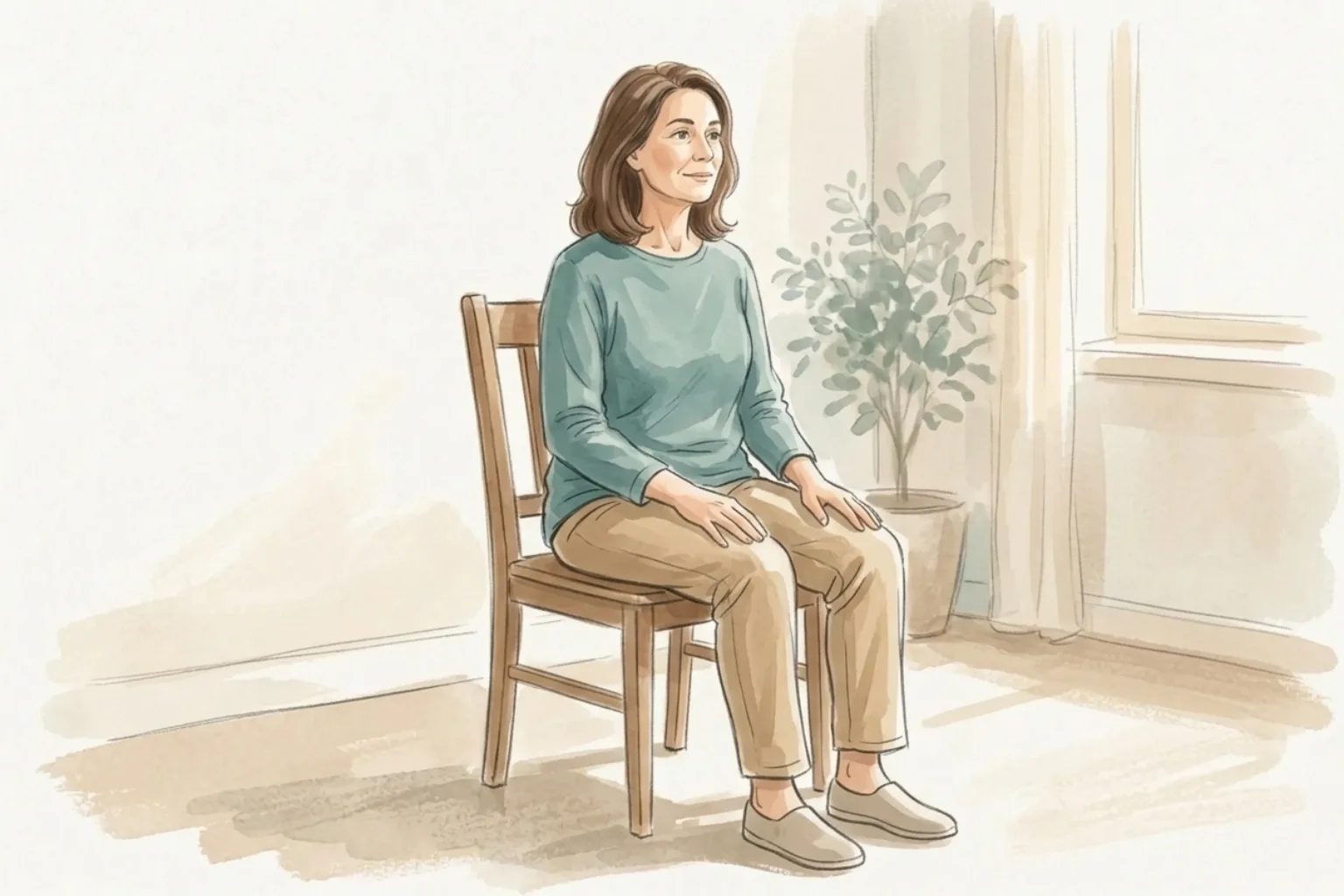
When Pain Education Lands as "It's in Your Head"
Why some patients hear pain neuroscience education as "it's in your head", what a 2024 interview study found, and a small movement idea to help it land.
 Chava SoraniGuild Certified Feldenkrais Practitioner (GCFP)
Between Sessions, No. 7: the Feldenkrais Method® alongside physiotherapy.
"Your pain is real. Your nervous system has become more protective, so it sends warning signals sooner." You explain it carefully, with a simple example. Your patient listens quietly. Then: "So you're saying it's in my head?"
You meant the opposite. You wanted your patient to feel heard, and more confident about moving. Many physiotherapists describe this moment, and it is hard, because you chose your words with care.
I am not a physiotherapist. I am a Feldenkrais teacher, and many of the people in my classes, and many Feldy users, also see a physiotherapist. I won't tell you how to explain pain. I would like to share a thought from the movement side: sometimes people need to feel something in their own body before an explanation makes sense to them.
What patients said they heard
A team that includes Lorimer Moseley interviewed 20 people with chronic low back pain. All of them had finished an individual program built on pain education. The researchers wanted to understand why fears and worries can stay afterwards (Rizzo and colleagues, 2024).
A few people felt that the program questioned whether their pain was real. Most accepted that the nervous system plays a part, but they still thought structure and body mechanics might matter too. And fears stayed when people could not work out how to use this new way of seeing pain in daily life.
That last point interests me most. The explanation made sense in the clinic. But at home, alone with a painful or stiff back, people were unsure what to do with it.
This was one small interview study, so it cannot tell us how common these reactions are. Still, it fits what physiotherapists often describe. A Movement Pulse piece on pain education found something close: people with neck pain said the biggest barrier was whether the program felt right for their own body.
Words and experience
Pain education asks a patient to believe something new: pain is real, but it does not always mean that something in the body is being damaged. For many people, understanding this takes more than words. It can help to have a good movement experience too: they try a movement they expected to hurt, and find it is easier than they thought.
Feldenkrais teaching may offer something here. In an Awareness Through Movement® lesson, a voice guides small, slow movements, usually lying down. The person chooses the size, rests often, and is asked what they notice. The question is "what changed?", not "did it hurt?". Nobody tells them a movement is safe. They explore it at their own pace and find a way of doing it that feels easy.
The research on Feldenkrais and fear of movement is early, but positive. In a small trial, women with chronic low back pain all did the same stabilization exercises for eight weeks, and half of them also had Feldenkrais work. Fear of movement fell in both groups, and it fell more in the group with Feldenkrais added. Pain eased more too (Saki and colleagues, 2025). The trial had 30 women at one university, the Feldenkrais group spent more time in each session, and nobody measured what happened after the eight weeks. We also have no research yet on whether Feldenkrais lessons help patients understand or use pain education.
A lesson does not replace pain education, graded exposure or loading. Your plan of care stays the main plan.
Who this is not for
- Anyone with red flags: new weakness, bladder or bowel changes, numbness in the saddle area, or signs of myelopathy. They need prompt medical review.
- Patients with post-surgery precautions that you or the surgeon have not cleared.
- People who cannot follow spoken instructions.
A small idea from Feldenkrais teaching
In a lesson, we often begin with the smallest version of a movement, done slowly. Then we ask one question: "What did you notice?"
Some physiotherapists already do something like this next to the explanation. The patient tries one movement they have been guarding, using only about a quarter of their usual range, and then says in their own words what they noticed. Maybe the movement was easier than they expected. Maybe they noticed they were holding their breath or tensing their shoulders. Now your explanation has something concrete to connect to: an experience the patient has just had in their own body. It takes about two minutes, and the exercises and the dose you prescribed stay the same. You know your patient, so you decide if it fits.
If you would like to see how gentle a lesson can be, here is a slow, seated nerve gliding lesson from our Resources. For patients who are afraid to move again after a flare, No. 6 in this series speaks to them directly. Our page for physiotherapists explains what a lesson is like and what has been studied.
You give the explanation, and you set the plan. We are here to support that work.
Hear a Lesson Before You Suggest One
Try Feldy free for 7 days and do a lesson yourself, so you know what a patient would hear and feel.
See Feldy for physiotherapists← Previous: Afraid to Move After a Flare? Start Smaller Than Feels Useful
Start your free 7-day trial
Start free trialMore Articles
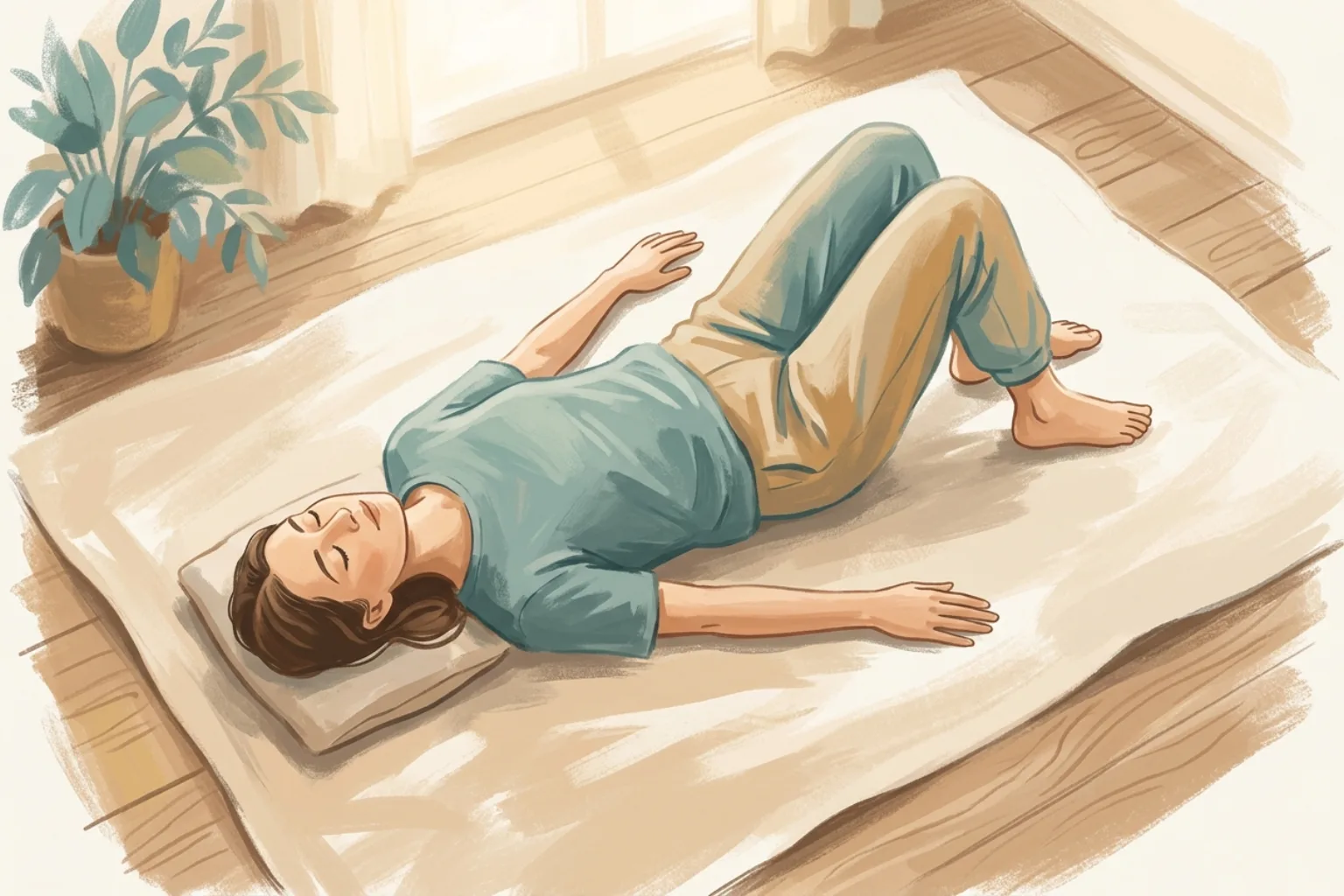
Afraid to Move After a Flare? Start Smaller Than Feels Useful
Why fear of moving often stays after a pain flare, how pacing and small steps work in plain words, and a gentle way to begin again between physio sessions.
Nov 9, 2026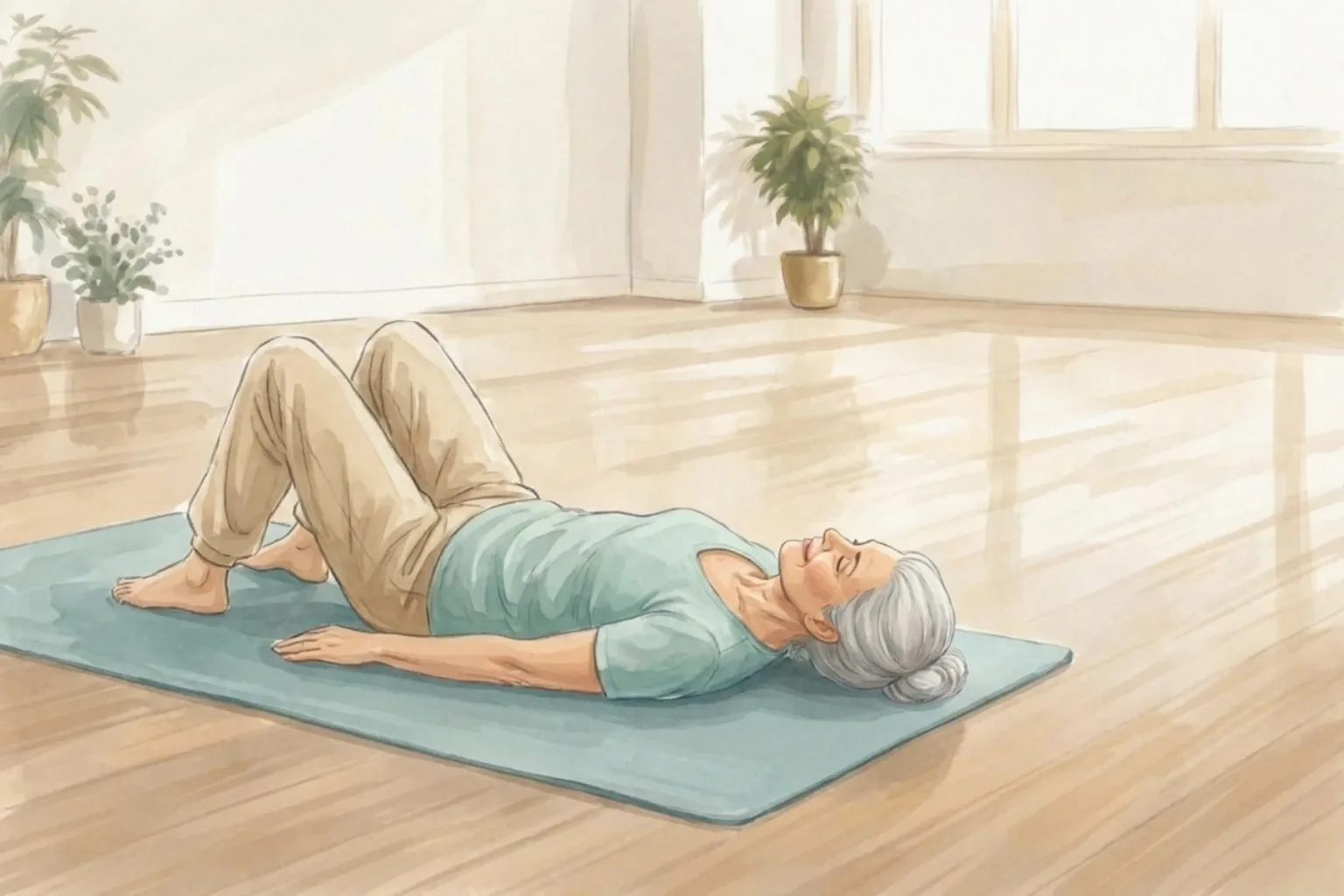
What a Feldenkrais Lesson Actually Is, for Physiotherapists
What happens in a Feldenkrais lesson, who teaches it, what it does not do, and how it can sit next to the plan of care you set.
Nov 2, 2026
Somatic Movement: Where Feldenkrais Fits
Is Feldenkrais somatic movement? What the word somatic points to, and where the Feldenkrais Method sits among the many somatic practices.
Nov 20, 2026Ready to Start Moving Better?
Try your first lesson for free. No credit card required.