
Gentle Exercises for Hypermobility
Gentle exercises for hypermobility are slow, controlled movements that help loose joints feel more stable and supported, without hanging on the end of the range. Rather than stretching further, they build a clearer sense of where you are in space and how to move from your center, which is what steadies a bendy body.
The lessons below come from the Feldenkrais Method®. You move slowly, stay away from the extremes, and let small movements build control. Pick one, give it ten quiet minutes, and notice the difference before and after.
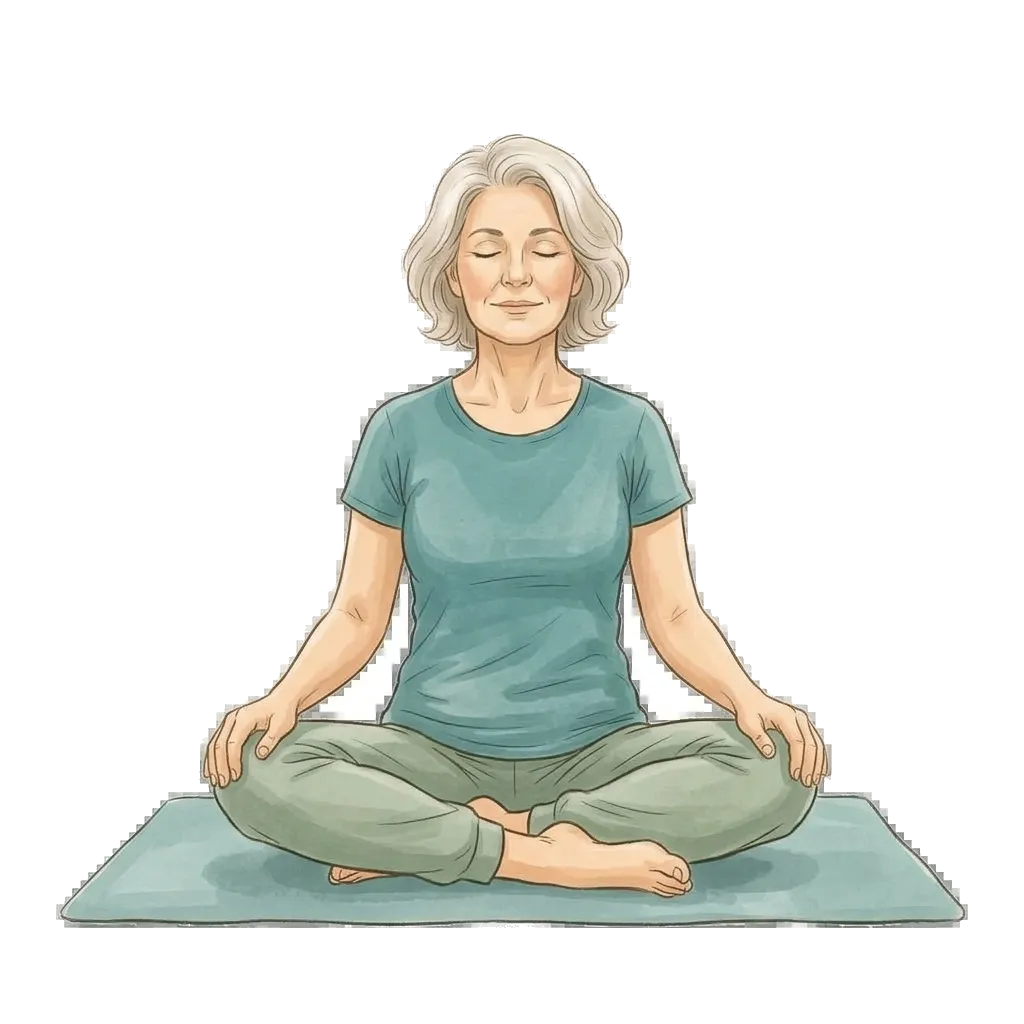
Gentle Exercises for Hypermobility: Stability First
Gentle exercises for hypermobility that build control, proprioception, and mid-range stability rather than more flexibility, with a short lesson you can scale to your day.
Exercises for Joint Hypermobility: Whole-Body Stability
Gentle exercises for joint hypermobility that build whole-body stability, control, and proprioception within an easy mid-range, not more flexibility. Try a short lesson.
Hypermobility Shoulder Exercises: Control Before Range
A short lying down lesson for a shoulder that already moves too far. Small, slow movements in the easy middle range, to give the joint a clearer sense of where it is.
Hypermobility Knee Exercises: Steady in the Easy Middle
Gentle hypermobility knee exercises for calmer, steadier knees: a short seated lesson in easy control, with nothing locked back and nothing stretched.
Hypermobility Hip Exercises: Quiet Control for Loose Hips
Gentle hypermobility hip exercises done lying on your back: tiny knee sways, short foot slides, and small circles that let loose hips find quiet, easy control.
Exercises for SI Joint Hypermobility: Gentle Support
Exercises for SI joint hypermobility that build steady, supported control within an easy range, not more stretch. A short, gentle lesson to try lying down.
Exercises for EDS Hypermobility: Gentle, Supported Control
Exercises for EDS hypermobility built around tiny, well supported movements in an easy middle range, so each joint feels clearer and steadier, not looser.
Hypermobile Ankles: Gentle Exercises for Stability
Hypermobile ankles need control and balance, not more stretch. Learn slow mid-range exercises that build stability and awareness, with a short lesson to try.
Hypermobile Neck: Gentle Exercises for Steady Support
A hypermobile neck needs control and support, not more stretch. Learn slow mid-range exercises that build stability and awareness, with a short lesson to try.
Hypermobile Shoulder: Gentle Exercises for Stability
A hypermobile shoulder needs control, not more stretch. Learn gentle mid-range exercises that build stability and body awareness, with a short lesson to try.
Frequently asked questions
Should hypermobile people avoid stretching?
Often, more stretch is not the answer, since the joints already move too far. These exercises focus on control and awareness within a safe range, rather than adding flexibility you do not need.
Can they help with joint instability?
Many people find they feel steadier. A clearer sense of where your joints are, and how to move from your center, helps you avoid drifting into the shaky end of the range.
Are they safe if I dislocate or sublux easily?
Move slowly, stay well within a safe middle range, and never force. If you have a diagnosis like hypermobility spectrum disorder, check with your clinician first.
How often should I do them?
A little and often helps the control build. Even ten quiet minutes a few times a week can make joints feel more supported.
See the Feldy program for Hypermobility & joint instability
Gentle, guided lessons. Try your first one free, no credit card required.