
Pain in Ankle When Pointing Toes: Causes and Gentle Steps
Where the pain sits tells you a lot. Read the common causes at the back and the front of the ankle, what tends to set them off, and when to get it checked.
In short
Pain in the ankle when pointing the toes usually comes from tissue being squeezed at the back of the ankle or drawn long at the front. Common causes are posterior ankle impingement, a tendon that is irritated, or a joint that is still stiff after a sprain.

Prefer to ease in gently?
See a few gentle exercises for body awareness to try.
Before you begin. If you cannot put weight on the foot after an injury, or the ankle is hot, red and swollen with a fever, get urgent medical care. Pain that keeps getting worse needs a clinician's assessment.
Pain in ankle when pointing toes is a common complaint, and it often has a different cause depending on where you feel it. Pointing the toes is called plantar flexion, which means the foot moves down and away from your shin. This guide walks through what can hurt at the back and at the front of the ankle, what often sets it off, and how to explore the movement gently. As a teacher of the Feldenkrais Method®, I care about listening to the ankle before asking it to do more.
Why pain in ankle when pointing toes depends on where it sits
Point your foot slowly and notice where the pain shows up. That one detail points you toward the likely cause.
When the foot points, the front of the ankle opens and the back of the ankle closes. Bones, tendons and a joint capsule (the soft sleeve around the joint) all have to move in a small space. At the back, tissue can get squeezed. At the front, tissue gets drawn long. Either can protest when it is already irritated.
Ankles also stiffen after an injury, and a sprain is a common starting point. According to the NHS, most sprains feel better after about two weeks, yet a severe one can take months to get back to normal (NHS, 2024). Stiffness and a pinch at the end of the range can linger well after the first soreness is gone.
Pain at the back of the ankle when you point
This is a common place to feel it. When you point hard, the heel bone moves toward the back of the shin bone. Anything caught between them can get pinched.
Posterior ankle impingement. This is the name for soft tissue, or sometimes a bone, being squeezed at the back of the ankle. Some people have a small extra bone there called the os trigonum. It is a normal variation, and many people never notice it. It can become sore when the foot is pointed hard again and again. Ballet dancers, footballers and anyone who points forcefully often are the classic examples.
The big toe tendon. A tendon called flexor hallucis longus runs in a groove behind the ankle on its way to the big toe. Think of it as the cord that curls your big toe down. When it gets irritated, pointing and pushing off can ache deep at the back and inner side of the ankle.
The Achilles. The thick cord joining the calf to the heel can also hurt when it is loaded or squeezed. If your sore spot is higher up the cord, our guide to pain at the back of the ankle above the heel covers that pattern in detail.
These can feel alike, so a clinician is the right person to tell them apart. A physiotherapist or doctor can press, move the joint, and order a scan if needed.
Pain at the front of the ankle when you point
A pinch or a pull at the front is a different story. Here the tissues are being drawn long rather than squeezed.
Front tendons. Several tendons cross the front of the ankle on their way to the foot and toes, including the tibialis anterior and the toe extensors. These lift the foot up. When you point, they lengthen. If they are irritated, for example after a lot of walking downhill or tight shoe laces, that lengthening can sting.
The joint capsule. After a sprain, the soft sleeve around the joint may stay sore and a little thickened. Pointing pulls on it, and on the ligament at the front of the outer ankle that is most often sprained, so the pain shows up at the front.
Arthritis. Wear in the ankle joint can bring stiffness and an ache with movement. It is less common than in the knee or hip but does happen, especially after an old injury. Morning stiffness that eases as you move is a typical pattern.
The ankle bones explainer shows how the shin, the talus and the heel fit together, which can make these descriptions easier to picture.
What often sets it off
Triggers tend to be ordinary. Look for a pattern in your own week.
- A new activity that asks for a strong point, such as dance, swimming with fins, or kicking a ball.
- A jump in how much you walk or train.
- Footwear that holds the foot in a pointed position, such as high heels.
- Returning to movement after a sprain without much time to rebuild range.
- Long sitting with the feet tucked under a chair.
Often two or three of these overlap, which is why the pain can seem to come from nowhere.
A gentle way to explore pointing your toes
You do not need to push into the pain to learn about it. Try this small experiment, and stop whenever it stops being comfortable.
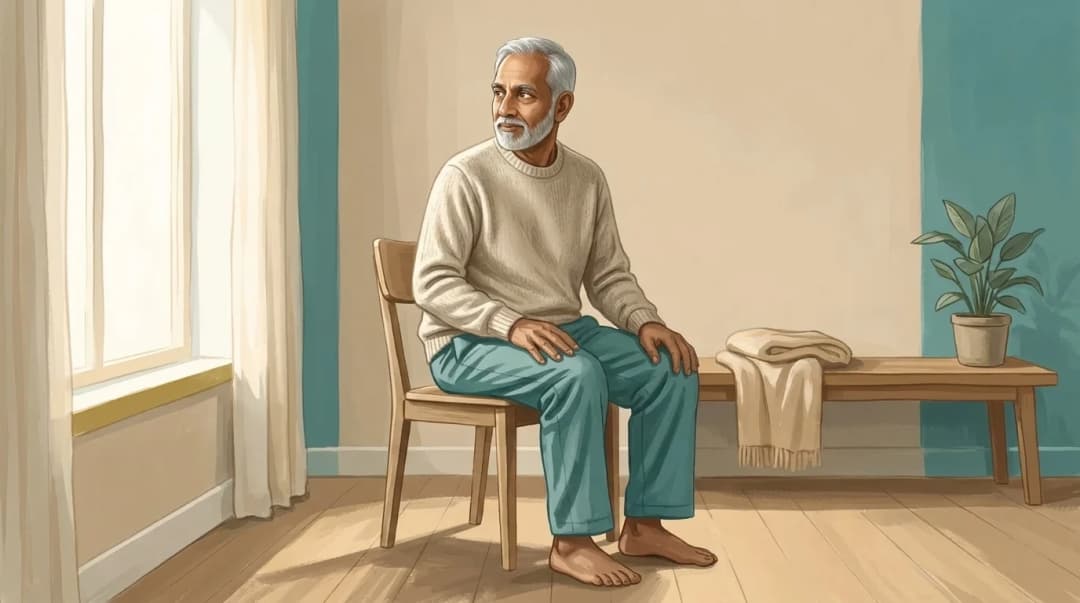
Sit on a chair with your foot resting on the floor. Slowly slide the foot back under the chair and let the heel lift while the toes stay on the floor, so the ankle points a little. Go only as far as feels easy. Now notice what else moves. Does your knee shift? Does your hip join in? Come back and repeat, this time with about half the effort. Many people find the point feels lighter when they use less force.
Next, rest the foot and think of your toes as lengthening away from your knee, not curling down. Let your whole leg take part, from the hip to the toes. Pause often. If the same spot tightens each time, that is your edge for today. Stay a little inside it.
A few things help along the way:
- Keep the range small and the speed slow.
- Move one side, then the other, and compare how each feels.
- Breathe out as the foot points, so the belly stays soft.
- Leave the end of the range alone. Forcing it is the quickest way to flare a sore ankle.
If you want a calm place to begin this kind of listening, our somatic exercises for beginners are a good start. The page on plantar flexion looks at the movement itself in more depth. Feldy offers short guided lessons in this spirit that you can follow at home.
For the wider picture of joint aches and how movement can sit alongside them, the Feldypedia article on osteoarthritis and joint discomfort is a helpful read. If stiffness in the ankles is the bigger theme for you, see stiff ankles.
Alongside clinical care and other methods
Care from your doctor or physiotherapist sits alongside this kind of learning and is never replaced by it. They can examine the joint, rule out a fracture or a tendon problem, and guide any rehabilitation.
Other movement methods work in their own ways. Strength training builds capacity in the calf and foot. Yoga and Pilates add held positions and control. Each works by its own logic, and plenty of people combine them. Slow movement awareness is another option. It looks at how you organise a movement, not at forcing range. Our body awareness program shows how those lessons are shaped.
When pain in ankle when pointing toes needs a check
Get medical care soon if you notice any of these:
- You could not put weight on the foot after an injury.
- The ankle looks out of shape.
- There is marked swelling or bruising.
- You feel numbness in the foot or toes.
- You felt a sudden snap or kick at the back of the ankle, and pushing off is now weak.
- The pain keeps getting worse, or wakes you at night.
A hot, red, swollen joint together with a fever is urgent. Do not wait on that one.
Pain that lingers for several weeks, even without these signs, is worth a proper assessment. A clinician can name the cause and tell you what is safe to try.
Learn to listen to your body
Now for the practice that trains it. The Feldy program sharpens your attention through slow, attentive Feldenkrais® lessons, so everyday movement feels lighter and more your own. Gentle, guided, and self-paced.
Start my free 7-day trialNo credit card needed.
Common Questions about pain in ankle when pointing toes (FAQ)
Is it safe to keep pointing my toes when the ankle hurts?
A small, easy point that stays comfortable is usually fine. If the movement brings sharp pain, stop at the point just before it. Do not push to the end of the range. Be more careful after a recent sprain or break, and ask your clinician first in that case.
How often should I explore this movement?
A few minutes once or twice a day is plenty. The movements are small and slow, so they do not need rest days. If the ankle feels sorer the next morning, do less for a while and keep the range smaller.
How long until pointing my toes feels easier?
Some people notice a little more ease within a single session, though it may fade by evening. Lasting change usually takes a few weeks of regular, gentle practice. Pain after a sprain can take longer. If nothing shifts after several weeks, see a clinician.
How is this different from stretching the ankle?
Stretching works on range at the end of a movement, often by holding a position. A Feldenkrais approach uses slow, small movements to sense how the whole leg takes part, with no push at the limit. If you also see a physiotherapist, their assessment and exercises sit alongside this kind of exploration.
When is ankle pain a reason to get checked?
Book a doctor visit if you could not bear weight after an injury, if the ankle looks out of shape, or if swelling or bruising is marked. Numbness needs a check too. A hot, red, swollen joint with fever is urgent. Pain that keeps getting worse also deserves an assessment.
Why does the back of my ankle hurt when I point my toes hard?
Pointing hard closes the space at the back of the ankle, and soft tissue or a small extra bone called the os trigonum can get pinched there. This is called posterior ankle impingement. It is common in dancers and footballers. A clinician can confirm the cause.
Why does the front of my ankle hurt when I point my toes?
Pointing draws the tissues at the front of the ankle long, so an irritated tendon or a joint capsule that is still sore after a sprain can complain. The pain often feels like a pull or a pinch. If it follows an injury or lingers, have it looked at.
Learn to listen to your body
See the programRelated resources
Pain at Back of Ankle Above Heel: Causes and What Helps
A sore cord just above the heel is usually the Achilles tendon. Learn where the pain sits, what tends to set it off, and when to get it checked.
Stiff Ankles: Gentle Movement to Ease and Steady
Stiff ankles often ease with slow, frequent movement that restores their natural range, and supple ankles also support balance and confident walking.
Shoulders turned further after a slow, varied lesson than after repeating one twist
Ready to start moving better?
Gentle, guided lessons for your body. Try your first one free, no credit card required.