
Tingling in Big Toe: Common Causes and When to Worry
A big toe that tingles, goes numb or zaps is often just a squeezed nerve. Here are the everyday reasons, the ones worth a doctor's visit, and the warning signs.
In short
Tingling in big toe is most often a nerve briefly squeezed by tight shoes, a crossed leg or sitting on your foot, and it settles when the pressure goes. Tingling that keeps returning, spreads or comes with weakness needs a doctor, because causes such as diabetes or a nerve in the lower back can be behind it.

Prefer to ease in gently?
See a few gentle exercises for body awareness to try.
Before you begin. General information, not a diagnosis, and Feldy is not a treatment for nerve problems. See your GP if tingling or numbness keeps coming back, spreads, affects both feet, or if you have diabetes. Get urgent help for sudden numbness or weakness, especially on one side of the body or with face, arm or speech changes; numbness around the genitals or buttocks; bladder or bowel changes; or a foot that is cold, pale or blue. Gentle movement attention sits alongside medical care and never replaces it.
Tingling in big toe is a strange feeling to sit with. It can be pins and needles, a patch of numbness, or a sudden zap, and it often arrives just as you stop to wonder about it. Most of the time it is a nerve that was pressed for a while and is now waking up. Sometimes it is a message worth taking to a doctor. This page helps you tell the difference, and it is general information only, never a diagnosis.
Nerves in the feet are a common place for trouble. The NHS notes that almost 1 in 10 people aged 55 or over in the UK are affected by peripheral neuropathy, which means damage to the nerves outside the brain and spinal cord (NHS, 2022). That figure is a reason to take lasting symptoms seriously, not a reason to panic over one odd evening.
Everyday reasons for tingling in big toe
Start with the simple ones. They are the most common, and they tend to come and go.
Pressure from shoes. Narrow toe boxes, tight laces and stiff straps can squeeze the small nerves that run along the top and sides of the foot. The tingling often starts a while into the walk and eases when you take the shoe off.
Sitting positions. Crossing your legs, tucking a foot under you or kneeling can press on a nerve higher up the leg. The foot then tingles or "falls asleep", and it clears within minutes once you move.
A nerve near the big toe joint. A small nerve runs close to the joint. If there is a bony bump from a bunion, a tight shoe can press it and send tingling into the toe.
Standing and walking habits. If you roll weight onto the inside of the foot, or grip with your toes as you walk, you may press that same nerve again with every step. Our guide on a big toe that hurts when walking looks at how the hip and ankle share each step, which changes how much load reaches the toe.
What a zap in the toe can mean
The zap, or sudden electric feeling, is simply a nerve sending a brief signal. Nerves are made to carry messages. When one is pressed, stretched or irritated, it can fire off a short burst that you feel as a flash of tingling or a jolt. A single zap after a change of position is usually harmless.
A zap that happens again and again, travels up the leg, or comes with numbness or weakness is a different matter. That pattern asks for a proper look from a clinician.
Reasons a doctor should check
Some causes do not clear with a change of shoes, and they are worth knowing about so you can ask the right question.
Diabetes and other causes of peripheral neuropathy. In the UK, diabetes is the most common cause of peripheral neuropathy, because high blood sugar over time can damage nerves (NHS, 2022). If you have diabetes, tingling in the feet deserves an early check.
Low vitamin B12. Nerves need vitamin B12 to work well, and a low level is a known reason for tingling in the feet. A simple blood test can show it.
A nerve in the lower back. The L5 nerve root leaves the spine low in the back and runs down the leg towards the big toe. When it is irritated, as in sciatica, you may feel tingling or numbness in the toe, often with some leg or back discomfort. Our explainer on what a pinched nerve feels like describes how these sensations travel, and for wider background on the lower back, read about sciatica and nerve related back pain in Feldypedia.
Tarsal tunnel. This is a squeeze on a nerve at the inside of the ankle, which can send tingling into the sole and toes.
None of these is something to work out alone. A doctor can examine the foot, check your blood and test the nerve.
How posture, shoes and walking may change the pressure
Pressure on a nerve depends on how your weight is shared. If you sit with your pelvis tipped back, or stand with weight always on one side, some parts of the foot may take more load than others. The Feldenkrais Method® is a way of learning to notice those habits through slow, gentle movement. It does not treat a nerve problem, and it is not a medical therapy. It simply gives you more information about how you use yourself, which many people find useful alongside care from their doctor.
Shoes matter too. A roomy toe box, softer laces over the top of the foot and a firm but comfortable sole often take pressure off sooner than anything else. For background on how walking changes over time, see the Feldypedia piece on gait changes and walking difficulty.
One gentle thing to notice
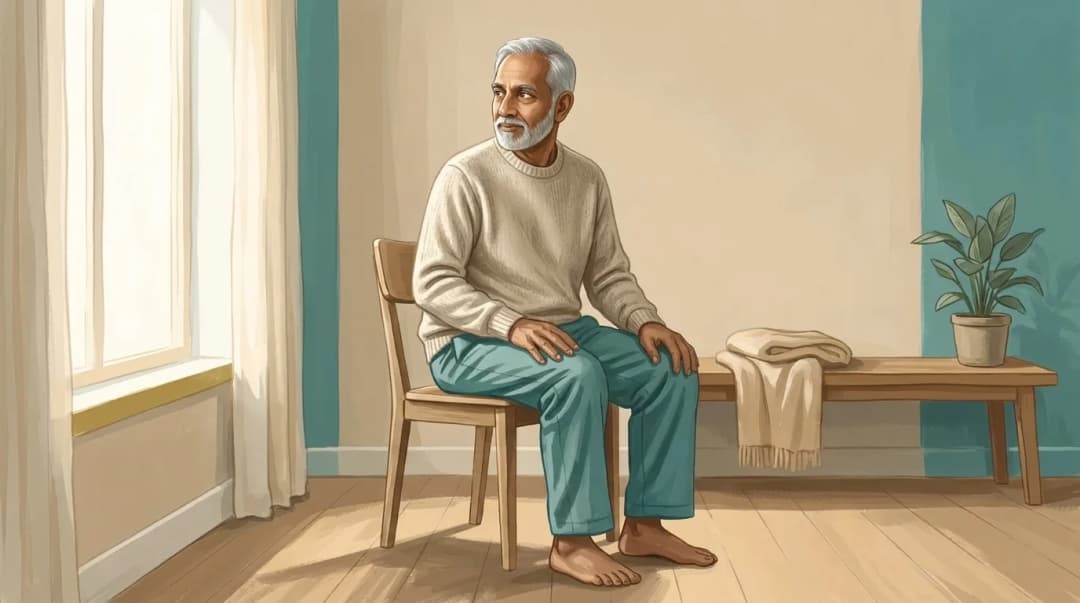
Sit on a chair with both feet on the floor, shoes off, and no tingling at the moment. Feel where your big toe touches the floor. Then notice whether you are gripping with your toes, and whether one foot presses harder than the other. You do not need to change anything. Just notice, for a minute, and stop if any tingling or pain begins. For a quiet way into this kind of attention, try the somatic exercises for beginners, or explore it as a daily practice with Feldy.
Warning signs that need a doctor
Please do not wait if any of these is true. See your GP if the tingling or numbness keeps coming back, spreads, affects both feet, or if you have diabetes. Get urgent help for sudden numbness or weakness, especially on one side of the body or with changes to the face, arm or speech. Seek help at once for numbness around the genitals or buttocks, or changes in bladder or bowel control. A foot that is cold, pale or blue also needs urgent care.
Find where to start
If your tingling has been checked and you would like to learn how you use your feet and legs, a gentle method may suit you. The Feldy body awareness program is one place to start.
Wondering which movement method suits you? Take the Movement Match quiz and see which single method it suggests you explore first.
Learn to listen to your body
Now for the practice that trains it. The Feldy program sharpens your attention through slow, attentive Feldenkrais® lessons, so everyday movement feels lighter and more your own. Gentle, guided, and self-paced.
Start my free 7-day trialNo credit card needed.
Common Questions about tingling in big toe (FAQ)
Is tingling in my big toe dangerous?
Usually not. Most short spells come from pressure on a nerve and fade within minutes once you move. It becomes a reason to act when it keeps coming back, spreads, affects both feet or comes with weakness. Sudden numbness, especially on one side of the body or with face, arm or speech changes, needs urgent help.
Why does my big toe feel a zap of energy?
A zapping feeling is usually a nerve sending a brief, sharp signal after it has been pressed or stretched. It can happen when you change position or put weight on the foot. If the zaps are frequent, travel up the leg or come with numbness, ask a doctor to look at the nerve.
What causes numbness and tingling in my big toe when walking?
Common reasons are narrow or tight shoes, laces pulled firmly across the top of the foot, or a nerve irritated near the big toe joint. A nerve in the lower back can also send tingling down the leg to the toe. If it happens on most walks, have it checked rather than waiting.
How often should I do the gentle noticing exercise?
A minute or two once or twice a day is plenty. It is only a way of noticing how you stand and how your foot is held, so there is no need for rest days. Stop if it brings on more tingling or any pain.
How long until the tingling goes away?
Pressure tingling often fades in minutes, or within days once you change the shoes or the sitting habit. If it has not eased after two to three weeks, or it keeps returning, see your GP. Tingling from a medical cause will not settle on its own without that cause being looked at.
How is this different from what a doctor or physical therapist does?
A doctor can check blood sugar, vitamin levels and nerve function, and a physical therapist can examine your back and legs. Movement awareness cannot test any of that. It only helps you notice how you hold and load your foot, and it is meant to sit alongside their care.
When should I see a doctor about a tingling big toe?
See your GP if the tingling keeps returning, spreads, affects both feet, or if you have diabetes. Go to urgent care for sudden numbness or weakness, numbness around the genitals or buttocks, bladder or bowel changes, or a foot that is cold, pale or blue.
Learn to listen to your body
See the programRelated resources
Ankle Tendonitis Treatment: What Usually Helps and Why
Where ankle tendons get sore, what treatment usually looks like, from footwear to slow loading exercise, and how the way you walk shapes the load they carry.
Pain on Inside of Ankle: What Lives There and What Helps
A map of the inner ankle, the patterns that show up there, and why the whole leg has a say in what that small area is asked to carry.
Shoulders turned further after a slow, varied lesson than after repeating one twist
Ready to start moving better?
Gentle, guided lessons for your body. Try your first one free, no credit card required.