
Pelvic Floor Awareness: How to Feel It in Midlife
What pelvic floor awareness means, why so many women cannot feel it or hold it tight without knowing, and two gentle ways to start noticing.
In short
Pelvic floor awareness is learning to feel your pelvic floor and notice when it holds, rests or lets go. It is not the same as squeezing it. In midlife many women hold it tight without knowing, so feeling it often comes before strengthening it.

Try a few movements now
Free gentle exercises for menopause you can try at home.
Before you begin: general information, not medical advice. Stop if you feel pain, dizziness or anything unsafe. Safety note
This article is general information, not medical advice. Feldy's lessons are gentle movement education that sits alongside your medical care. Your energy can change from day to day, so let each practice match how you feel today. Move slowly, and stop if you feel pain, dizziness or anything unsafe. If you have a health condition or new symptoms, or you are unsure whether this suits you, talk to your doctor. If something feels like an emergency, seek emergency medical help.
More in our Terms: educational content and safe movement.
Pelvic floor awareness means learning to feel what this part of you is doing, not only squeezing it harder. For many women in midlife, that is a new idea. We were told to "do our Kegels" and never shown how to feel the area first.
If you cannot feel it, you are not alone. The pelvic floor sits out of sight, and most of us have never given it attention. Some people discover it is not weak at all. It is holding, all day, without being asked.
Midlife is a common time to wonder about this. Natural menopause usually arrives between 45 and 55, and some people notice symptoms for several years (WHO, 2024). The body is changing, and many women start paying attention to the pelvis for the first time.
What pelvic floor awareness really means
Think of the pelvic floor as a soft, flexible base at the bottom of your pelvis. Like a hammock, it can tighten, rest and let go. Awareness is noticing which of those it is doing right now.
That is different from strengthening. A muscle that is already holding tight does not need a harder squeeze. It may need to learn to let go first. Our Feldypedia article on pelvic floor awareness and tension explains this in more depth.
Why so many people cannot feel it, or hold it without knowing
There are a few ordinary reasons:
- It is hidden. You cannot see it, and few of us were taught to sense it.
- We hold the belly in. Pulling the stomach in all day often tightens the pelvic floor too.
- Long sitting and stress. Both can keep the whole area on low guard.
- Habit. A body that has held for years can forget what letting go feels like.
None of this is a flaw. It is a habit, and habits can change when you notice them. If you are curious how a gentle, awareness led approach looks, our comparison of Feldenkrais® and the pelvic floor is a good next read.
How breath, pelvis and ribs work together
Your pelvic floor does not work alone. When you breathe in, your ribs widen and your belly softens, and the pelvic floor usually moves down a little. When you breathe out, it tends to rise back up.
If your ribs are held still or your belly is pulled in, this easy rhythm gets stuck. Many people find that the pelvic floor feels clearer once the ribs and breath are moving freely. The pelvis, the ribs and the breath form one team.
Two gentle ways to notice your pelvic floor
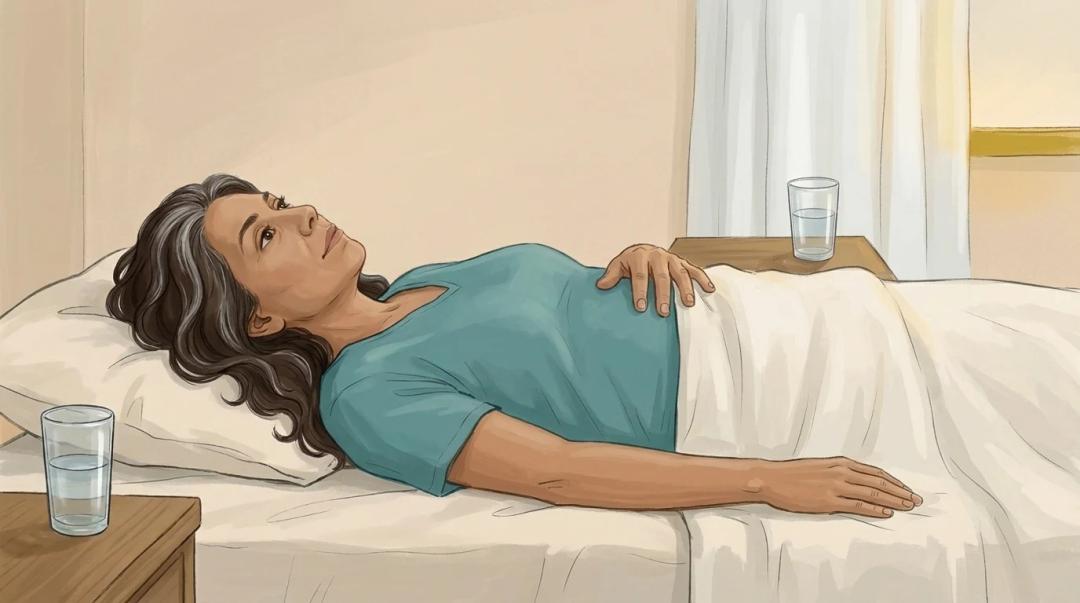
Try these lying on your back, knees bent, feet on the floor. Go slowly and stay well within comfort. Stop if anything hurts.
Follow the breath. Rest your hands on your lower ribs. Breathe in and feel the ribs widen. Then wonder: does anything change low in the pelvis? You are not trying to do anything. You are only noticing.
Rock the pelvis. Let your pelvis tip a tiny bit toward your heels, then toward your head. Make the movement so gentle that it is almost not there. What do you notice at the bottom of the pelvis as it rolls? Does it feel held, soft or somewhere between?
Rest after each one. Notice whether the area feels any different from before. If you feel nothing, that is a fine place to start, and curiosity counts.
For a longer, guided option, see our gentle exercises for perimenopause. If you want to explore strengthening as well, our page on exercises for the pelvic floor muscles sits alongside this one. The Feldy program for menopause builds this kind of noticing into its lessons.
When a pelvic health physiotherapist is the right person
Awareness is a way to get to know your body. It does not diagnose anything. If you leak, feel pressure or heaviness, have pain, or are unsure whether you are holding or letting go, a pelvic health physiotherapist can assess you in person. A doctor is also a good place to start. Feldy does not treat anything, and this kind of care sits beside the movement.
Find where to start
Not sure where gentle awareness fits among the options out there? Feldenkrais®, Alexander Technique, yoga, Pilates and tai chi each work differently. A quick quiz can point you to the movement method that suits you best.
Not sure which movement method fits you? Take the 60 second Movement Match quiz, three questions and a matched method to explore first.
Softer movement through menopause
Now, the gentle way to work with it. The Feldy program eases the stiffness and tension of these years through slow Feldenkrais® lessons made for a changing body. Gentle, guided, and self-paced.
Start my free 7-day trialNo credit card needed.
Common Questions about pelvic floor awareness (FAQ)
What is the difference between pelvic floor awareness and Kegels?
A Kegel is a squeeze you do on purpose. Awareness is noticing what the area is already doing: holding, resting or letting go. Many people find that feeling the whole range, including letting go, makes any later strengthening feel clearer. A pelvic health physiotherapist can tell you whether squeezing suits you.
Is it safe to try pelvic floor awareness?
Noticing is gentle, and you stay well within comfort. Skip anything that hurts, and stop if it feels like too much. If you have pelvic pain, surgery behind you or any worry about this area, talk to your doctor or a pelvic health physiotherapist first.
How often should I practise pelvic floor awareness?
A few minutes a few times a week is plenty. Short and easy beats long and effortful. Many people like to pair it with something they already do, such as lying down at bedtime.
How long until I notice a difference?
It varies. Some people feel the area more clearly within a few sessions, while for others it takes weeks. Feeling it more clearly is the first step, and it is not a promise of any change in symptoms.
Why can I not feel my pelvic floor at all?
This is very common. The area sits out of sight, and we rarely give it attention. Holding the belly in, tight clothing and long sitting can dull the sensation. Feeling it usually grows with slow, curious practice, and a physiotherapist can help if it stays unclear.
When should I see a pelvic health physiotherapist?
Consider one if you leak, feel pressure or heaviness, have pain, or cannot tell whether you are holding or letting go. They can assess you in person and give you a plan that fits. Pelvic floor awareness sits alongside that care and does not replace it.
Softer movement through menopause
See the programRelated resources
Pelvic Floor Trigger Point Release: What Happens
What pelvic floor trigger point release is, what a session feels like, who it suits, and gentle things you can do on your own between visits.
Feldenkrais® for Pelvic Floor: Not Every Floor Is Weak
Not every pelvic floor problem is a weak one. How Feldenkrais lessons compare with pelvic health physiotherapy, Kegels, Pilates, hypopressives, and yoga.
Women with menopause insomnia slept better after adding one gentle course
Ready to start moving better?
Gentle, guided lessons for your body. Try your first one free, no credit card required.