
Pelvic Floor Trigger Point Release: What Happens
What pelvic floor trigger point release is, what a session feels like, who it suits, and gentle things you can do on your own between visits.
In short
Pelvic floor trigger point release is a hands on technique where a pelvic health physiotherapist applies steady, gentle pressure to tender, tight spots in the pelvic floor muscles. It is mainly used when the muscles hold too much, and you can stop at any time.

Try a few movements now
Free gentle exercises for menopause you can try at home.
Before you begin: general information, not medical advice. Stop if you feel pain, dizziness or anything unsafe. Safety note
This article is general information, not medical advice. Feldy's lessons are gentle movement education that sits alongside your medical care. Your energy can change from day to day, so let each practice match how you feel today. Move slowly, and stop if you feel pain, dizziness or anything unsafe. If you have a health condition or new symptoms, or you are unsure whether this suits you, talk to your doctor. If something feels like an emergency, seek emergency medical help.
More in our Terms: educational content and safe movement.
Pelvic floor trigger point release is a technique a pelvic health physiotherapist uses on tender, tight spots in the muscles at the base of your pelvis. They apply steady, gentle pressure, sometimes from the outside and sometimes inside, and only with your consent. This page explains what a session is like, who it tends to suit, and what you can do yourself.
What pelvic floor trigger point release means
You may know the idea from a sore shoulder. A trigger point is a tight, tender spot in a muscle, and our explainer on what a trigger point is covers the basics. The pelvic floor is also made of muscle, so it can hold spots like these too.
In this technique the therapist presses on such a spot and waits, with steady pressure that you can feel but should be able to breathe through. The name says "release", but nobody can promise that a muscle will let go. What people report is that the area often feels less tense afterwards.
What a session feels like
A good session starts with talking. The therapist asks what you notice and what you want to change. Then they explain what they plan to do, and ask for your agreement before each step.
The pressure can feel like a deep ache or a sore spot being pressed. You can ask for it to be lighter, slower or paused. You can stop at any moment, without giving a reason. If a session ever feels unsafe or too much, say so, because a good therapist wants to hear it.
Who it is for, and who it is not
This work is for a pelvic floor that holds too much, often called overactive or tense. It is not for every pelvic floor problem. Some floors are weak, some are tight, and some are both at once.
That matters because Kegels are not always the answer. When the muscles are already gripping, squeezing harder can add to the tension. An assessment from a pelvic health physiotherapist can tell you which kind of floor you have. If you want to explore noticing first, our guide to pelvic floor awareness is a gentle place to start.
What the research says
The honest summary is that the evidence is promising but mixed. Some studies find less pain and tension after hands on work for the pelvic floor, while others are small or hard to compare. Trigger point release is usually one part of a wider plan, such as breathing, movement and talking through habits.
Menopause and the pelvic floor
Natural menopause usually arrives between 45 and 55 (WHO, 2024). Lower estrogen can change how the tissues feel, and some women notice more tension or pain with sex. This is common, and it is something you can talk about with your doctor or a pelvic health physiotherapist. You do not need to put up with it quietly.
Gentle things you can do on your own
Self treatment with tools or internal pressure is something to learn from a pelvic health physiotherapist, so we do not teach it here. These easier options involve no pressure at all.
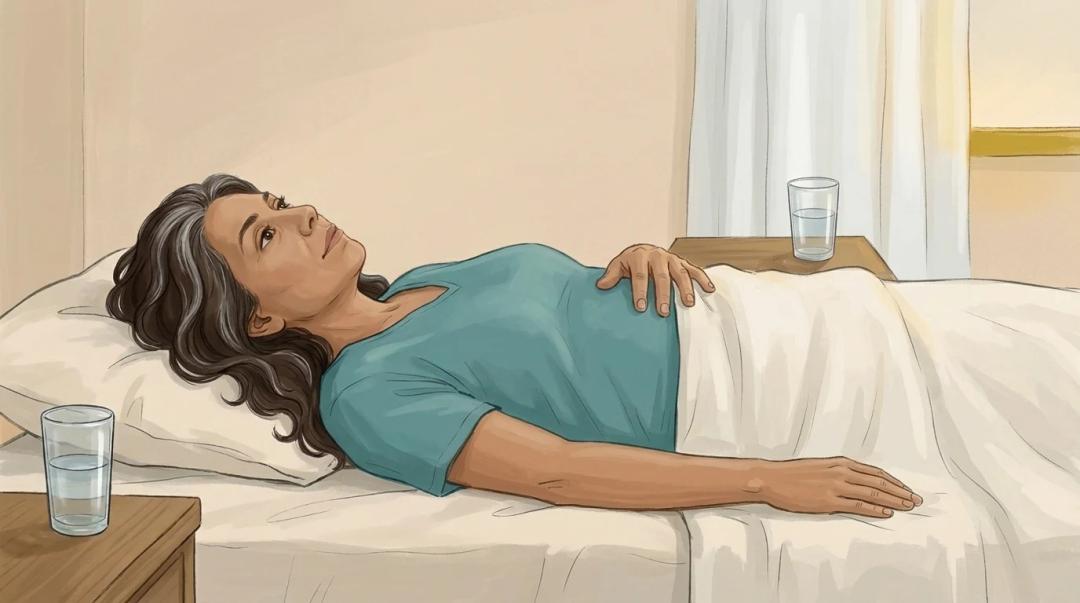
- Breathe slowly into your belly and pelvis. Lie on your back with your knees bent. As you breathe in, let your belly and lower ribs widen, and let the pelvic floor soften with them.
- Notice gripping and let it go. Check whether you are holding your belly in, clenching your buttocks or tightening your pelvis. Just noticing often lets some of it ease.
- Try easy pelvic movement. Let your pelvis rock a tiny bit toward your heels and toward your head, so gently that it is almost not there.
- Use warmth. A warm bath or a warm cloth on your lower belly can feel soothing.
Stay well within comfort and stop if anything hurts. For a longer guided option, try our gentle exercises for perimenopause. The Feldy program for menopause builds this kind of noticing into its lessons, and it sits alongside the care you get from your doctor or physiotherapist.
When to see a pelvic health physiotherapist
Consider one if you have pelvic pain, pain with sex, leaking, pressure, or a sense that the area is always tight. Your doctor can help you decide where to begin. The movement on this page treats nothing and sits beside medical care, never in place of it.
Softer movement through menopause
Now, the gentle way to work with it. The Feldy program eases the stiffness and tension of these years through slow Feldenkrais® lessons made for a changing body. Gentle, guided, and self-paced.
Start my free 7-day trialNo credit card needed.
Common Questions about pelvic floor trigger point release (FAQ)
Does pelvic floor trigger point release hurt?
It can feel tender, like pressing on a sore muscle, but it should stay within what you can tolerate. You are in charge. Tell the therapist when it is too much and they will ease off or stop. Some people feel a little sore afterwards, and that usually settles within a day or two.
Do I need an internal exam for trigger point release?
Not always. Some work is done from the outside, around the hips, buttocks and lower belly. Internal work happens only if you agree to it, and you can say no or stop at any point. Ask the therapist to explain each step before it begins.
Is pelvic floor trigger point release right for every pelvic floor problem?
No. It is mostly considered when the muscles are tight or overactive. A floor that is tight does not always need Kegels, and squeezing harder can feel worse. A pelvic health physiotherapist can assess whether your muscles hold too much, too little, or both.
Does the research show that it works?
The evidence is promising but mixed. Some studies report less pain and tension, and others are small or hard to compare. It is one option among several, so it is fair to ask your clinician what they expect for you.
Can I do trigger point release on myself at home?
Self treatment with tools or internal pressure is something to learn from a pelvic health physiotherapist, who can check it suits you first. On your own, gentler options include slow breathing, noticing and letting go of gripping, easy pelvic movement and warmth.
Is pelvic floor tightness more common in menopause?
Lower estrogen can change how the tissues feel, and tension or pain with sex is common at this stage. Many women find it hard to bring up. It is worth talking about with your doctor or a pelvic health physiotherapist, since help exists.
Softer movement through menopause
See the programRelated resources
Pelvic Floor Awareness: How to Feel It in Midlife
What pelvic floor awareness means, why so many women cannot feel it or hold it tight without knowing, and two gentle ways to start noticing.
Feldenkrais® for Pelvic Floor: Not Every Floor Is Weak
Not every pelvic floor problem is a weak one. How Feldenkrais lessons compare with pelvic health physiotherapy, Kegels, Pilates, hypopressives, and yoga.
Women with menopause insomnia slept better after adding one gentle course
Ready to start moving better?
Gentle, guided lessons for your body. Try your first one free, no credit card required.