
How to Relax Jaw and Pelvic Floor Together, Gently
Many women clench the jaw and hold the pelvic floor at the same time. Here is what we know, what we do not, and a gentle way to let both soften.
In short
How to relax jaw and pelvic floor starts with noticing that many people hold both at once. Soften the tongue and jaw, let the breath out through a soft mouth, and feel the sitting bones as you breathe in. Research on a direct link between the two is still thin.

Try a few movements now
Free gentle exercises for menopause you can try at home.
Before you begin: general information, not medical advice. Stop if you feel pain, dizziness or anything unsafe. Safety note
This article is general information, not medical advice. Feldy's lessons are gentle movement education that sits alongside your medical care. Your energy can change from day to day, so let each practice match how you feel today. Move slowly, and stop if you feel pain, dizziness or anything unsafe. If you have a health condition or new symptoms, or you are unsure whether this suits you, talk to your doctor. If something feels like an emergency, seek emergency medical help.
More in our Terms: educational content and safe movement.
If you hold tension in your jaw and your pelvic floor, you are not alone, and you may wonder how to relax jaw and pelvic floor together. The short answer is that you cannot order either one to let go. You can notice them, breathe, and give them a chance to soften. This page explains why they may tighten together, what the research does and does not say, and a gentle way to try.
Why jaw and pelvic floor tension may go together
Your pelvic floor is a sling of muscles at the base of your pelvis. Your jaw sits at the top of your body. They feel far apart. Yet many people say they clench both when they are stressed, lifting something heavy, or straining.
Between them sits the diaphragm, the large muscle under your ribs that moves with each breath. When you breathe in, the diaphragm moves down, and the pelvic floor tends to widen a little. When you breathe out, both rise. If you hold your breath, or breathe high in the chest, the jaw and the pelvic floor often grip along with it.
Here is the honest part. The idea that the jaw and pelvic floor are directly connected is popular online. The research is limited. A few small studies look at how muscles tighten together, and at breathing. The evidence for a direct link is still thin. It is better to treat this as a pattern many people notice in themselves, not a proven rule.
Midlife can add to the picture. Natural menopause usually happens between 45 and 55, and some women have symptoms for several years (WHO, 2024). Sleep changes, stress and long hours of sitting can all invite more holding.
Notice before you try to relax jaw and pelvic floor
Start with noticing. Trying hard to relax often creates more tension, so keep it curious.
The tongue and teeth. Where is your tongue right now? Many people press it against the roof of the mouth. Let it rest wide and heavy in the floor of your mouth. Let the teeth stay a little apart.
The jaw. Let the lips close without pressing. Imagine the jaw hanging softly from the skull. Our guide on how to relax your jaw goes deeper on this part.
The breath. Breathe as you normally do. Is it high in the chest, or does the belly move too? There is no right way. Just notice.
The sitting bones. If you are seated, feel the two bony points under you. Notice whether the weight rests evenly on them.
A gentle way to soften both
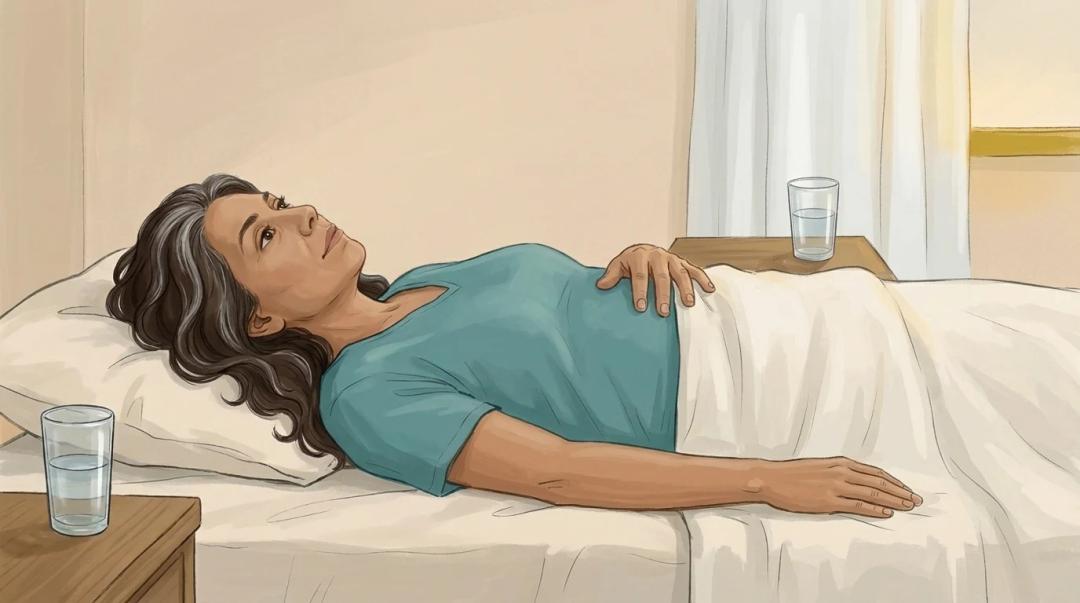
Try this seated or lying down, for a minute or two. Stop if anything hurts.
First, soften the tongue and let the jaw hang. Then breathe out slowly through a soft mouth, as if you were fogging a window. Let the sound be quiet. Do not push the air out.
As you breathe in, let the air arrive without pulling it. Feel your sitting bones. You may sense the area between them widen a little, like an umbrella opening. If you cannot feel it, that is fine. Many people do not at first.
Then rest and breathe as usual. What changed, if anything? Even a small change in how you sense the jaw is useful information.
This kind of slow attention is at the heart of the Feldenkrais Method®. In Awareness Through Movement® lessons, you learn by noticing how you do something, not by forcing a result. The Feldy program for menopause is built around this patient, comfort first approach, and our gentle exercises for perimenopause are an easy next step.
Relaxing the pelvic floor is not the same as Kegels
A Kegel is a squeeze of the pelvic floor. Letting go is the other half of its range. Some people already hold too much tension there. For them, more squeezing is not the answer. Others need strength. You cannot tell from the outside which group you are in.
A pelvic health physiotherapist can tell which applies to you. If you have leaking, pelvic pain or a feeling of heaviness, please talk to your doctor or a pelvic health physiotherapist. Nothing on this page treats those things.
For the pelvic floor side, see our guide to pelvic floor awareness, and our comparison of Feldenkrais for pelvic floor with other approaches. If your pelvis tends to tip forward as well, our guide on anterior pelvic tilt in women may help.
One thing to try this week
Pick one daily moment, such as waiting for the kettle. Ask yourself two questions. Where is my tongue? Is my jaw soft? Then breathe out through a soft mouth, and see what the rest of you does. If something hurts, or the tension keeps coming back, mention it to your doctor.
Softer movement through menopause
Now, the gentle way to work with it. The Feldy program eases the stiffness and tension of these years through slow Feldenkrais® lessons made for a changing body. Gentle, guided, and self-paced.
Start my free 7-day trialNo credit card needed.
Common Questions about how to relax jaw and pelvic floor (FAQ)
Are jaw tension and pelvic floor tension really connected?
Nobody can say for sure. Many people notice they clench both together when stressed or straining, and breath sits between the two areas. A few small studies hint at a link, but the evidence for a direct connection is still thin. Treat it as something to notice, not a proven rule.
Is it safe to try these ideas for my jaw and pelvic floor?
Noticing your tongue, teeth and breath is gentle and suits most people. Keep everything easy and stop if anything hurts. If you have leaking, pelvic pain, heaviness or ongoing jaw pain, check in with your doctor or a pelvic health physiotherapist before you start.
How often should I practise softening my jaw and pelvic floor?
A minute or two a few times a day works better than one long try. Link it to things you already do, like waiting for the kettle or sitting at a red light. Short and regular lets the habit of noticing grow.
How long until I notice my jaw and pelvic floor soften?
Awareness often shifts within a few days, because you start catching the clench sooner. A lasting change in how much you hold usually takes weeks, and it varies a lot between people. Be patient and keep each try light.
Is relaxing the pelvic floor the same as doing Kegels?
No. A Kegel is a squeeze. Letting go is the other half of the range. Some people hold too much tension, and for them more squeezing is not the answer. A pelvic health physiotherapist can tell which applies to you.
When should I see a professional about jaw or pelvic floor tension?
Talk to your doctor or a pelvic health physiotherapist if you have leaking, pelvic pain, a feeling of heaviness, or jaw pain that keeps coming back. They can find out what is going on and guide your next step.
Softer movement through menopause
See the programRelated resources
Pelvic Floor Trigger Point Release: What Happens
What pelvic floor trigger point release is, what a session feels like, who it suits, and gentle things you can do on your own between visits.
Pelvic Floor Awareness: How to Feel It in Midlife
What pelvic floor awareness means, why so many women cannot feel it or hold it tight without knowing, and two gentle ways to start noticing.
Women with menopause insomnia slept better after adding one gentle course
Ready to start moving better?
Gentle, guided lessons for your body. Try your first one free, no credit card required.