
After a spine fracture, people who exercised were less afraid of moving
Their pain eased and they walked further. The trial was modest: 48 people with osteoporosis, supervised twice a week.
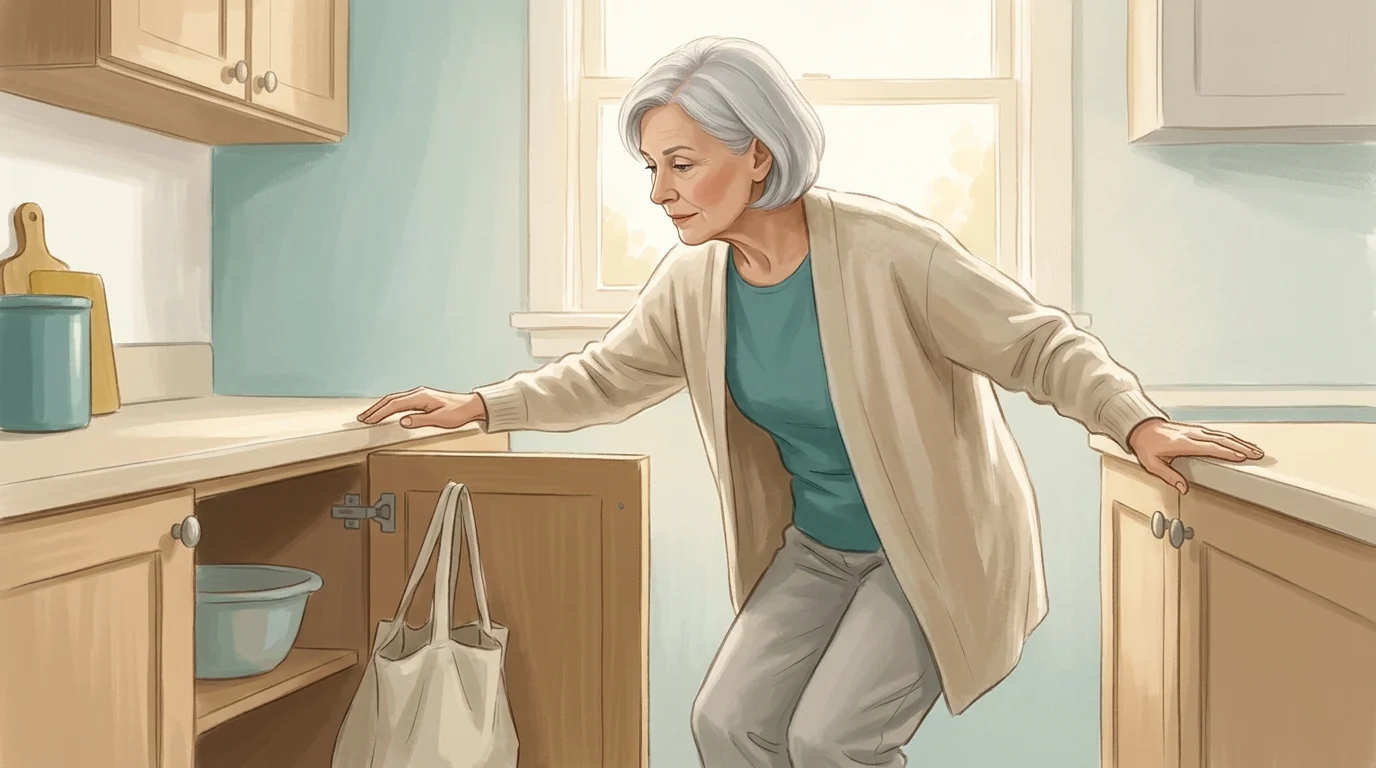
After a spine fracture, your body can feel like something you no longer quite trust. For many people it happens during something ordinary, a bend towards the dishwasher or lifting a bag of shopping, so ordinary movement starts to feel like the danger. Is it safe to exercise now, or is moving less the careful choice?
If the people around you keep saying "be careful", and you've been careful for months, the space you move in can shrink without you ever deciding it should. That isn't weakness. It's a natural response from a body that went through real pain and a real scare.
You can start from where your back is today. A new trial suggests that a guided start at your own level can ease both pain and fear: people with spine fractures caused by osteoporosis who did guided exercise for twelve weeks had less pain, walked further and were less afraid of moving than people who carried on as usual (Physiotherapy Research International, 2026).
Less pain, less fear, further walks
People were split into two groups by chance. One group came in for exercise sessions; the other kept to their usual routine. By the end, the exercise group reported less pain than the comparison group, and their answers on a questionnaire about fear of movement had shifted clearly too.
The walking result is the easiest to picture. In a timed walk, the exercise group covered about 39 meters more than the comparison group, a little more than three bus lengths. Their mood scores and their quality of life scores also improved more.
So if you've had one of these fractures, this trial points towards a guided start, one that begins at your own level and grows from there, rather than simply carrying on as before.
How the sessions began
Each session was one to one and lasted 40 minutes. The work went to the muscles along the back of the spine, to posture, to the legs and to balance. It began with body weight alone, and resistance was added only as each person could tolerate it. Balance work started standing still and moved on to tasks done while moving.
That phrase, as each person could tolerate it, is the part I'd underline. The program didn't stay easy, and it wasn't meant to, but it started where each person actually was, which is a very different thing from being handed a sheet of exercises written for someone whose back has never frightened them.
Earlier this year I wrote about a study that found fear of moving tracked with thinner bones, though it couldn't say which came first. This trial is a different kind of evidence. It changed something and watched what followed.
What the headline will miss
This was a modest trial: 48 people at a single centre, and nearly all of them finished. Everyone knew who was exercising, and the comparison group got no extra visits or attention, so part of the benefit may come from the extra care and company twice a week rather than from the exercises themselves. It lasted twelve weeks with no longer follow up, so we don't know whether the gains lasted once the sessions stopped.
It didn't count falls or new fractures, and the summary doesn't say whether anyone was hurt during the sessions, so it can't tell you how safe exercise is after a fracture or whether it protects against another one. Sleep didn't clearly improve. It didn't test the Feldenkrais Method® or a home program either; every session was supervised.
Which movements suit your spine right now is a question for your doctor or physiotherapist, and a sudden new back pain after a bend or a lift is worth reporting to your doctor.
A learning problem
One way to understand fear after a fracture is as learning, not a flaw. Your nervous system took one painful moment and drew a careful conclusion: bending, lifting or turning might hurt you again. It keeps that conclusion until it has new experiences that say otherwise, and being told to be brave doesn't count as one.
What counts is a movement that passes safely, again and again, at a size your body believes. An Awareness Through Movement® lesson works through the parts that already move easily, slowly, so the back takes part without being asked to prove anything. You only go where it feels easy, pleasant and comfortable. The trial's slow build from body weight to more resistance fits the same idea, though it wasn't designed to test it.
One question to bring
If you've been waiting to feel ready, you don't have to feel brave first. Ask your physiotherapist or doctor which movements suit your spine right now, and start with the one you could repeat tomorrow without dread.
Let Feldy guide you, eyes closed
A calm voice walks you through gentle moves so your attention stays in your body, not on the screen.
Try Feldy Free for 7 daysNo credit card needed.
Sources
Movement Pulse is informational, not medical advice. See our editorial policy.
Move better with Feldy
See the programMovement Pulse Weekly
The week's best research, in your inbox Tuesday.
Movement science, gentle-practice ideas, and a practitioner's read on what's new. Free.
More from Movement Pulse
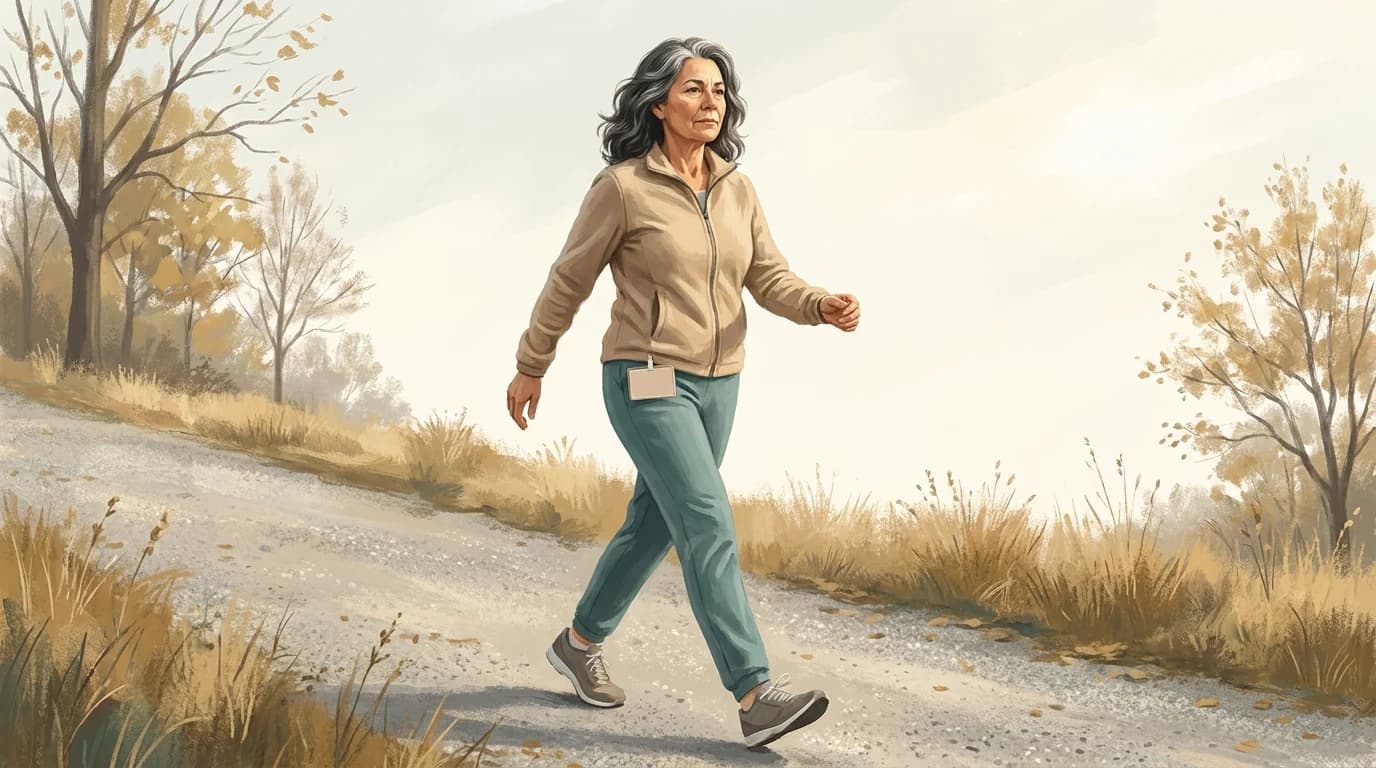
7,000 steps three days a week went with healthier bones before menopause, not after
Keep the walks. After menopause, the wider research keeps pointing to a brisker pace, some load and some variety beside them.
Oct 25, 2026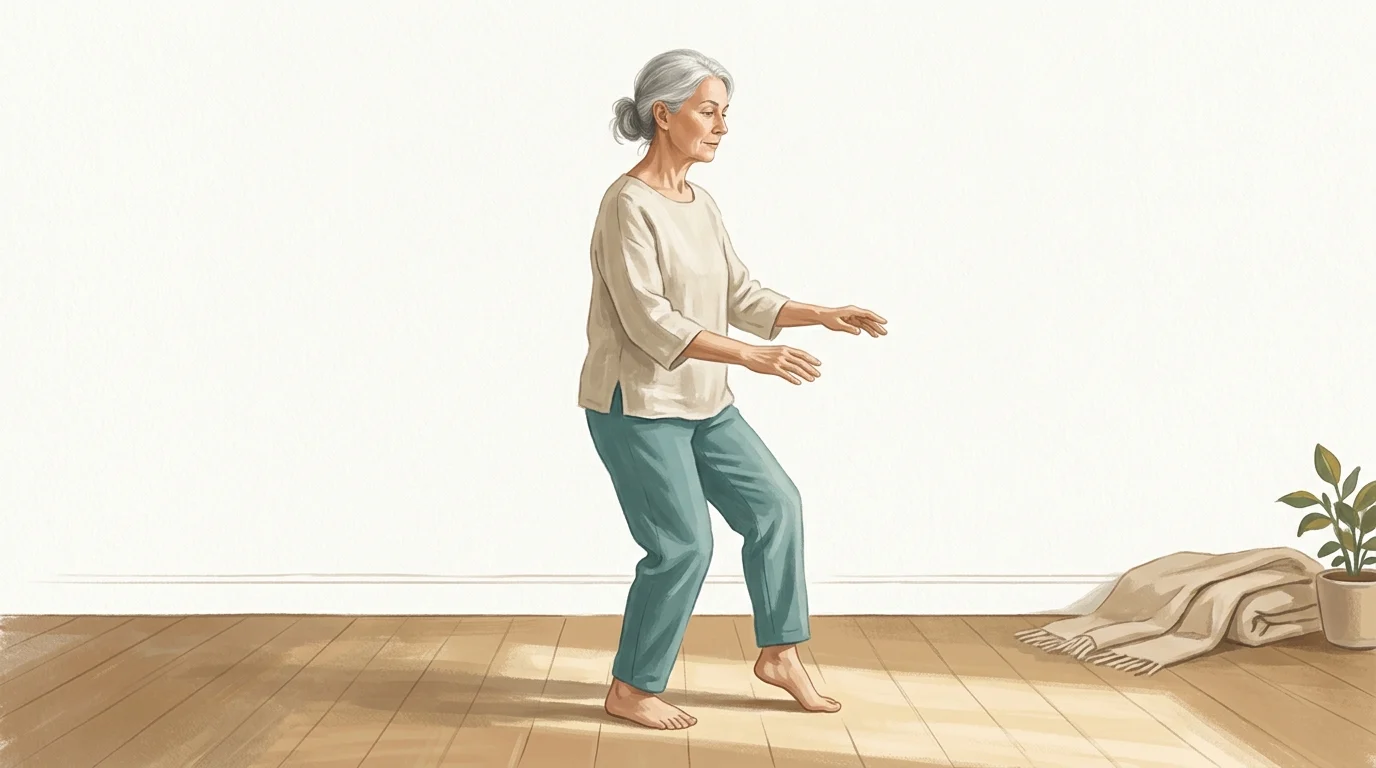
Tai chi was called too gentle to touch bone, yet 17 trials in women found a small gain
If you love a slow standing practice, it may be doing a little for your spine as well as your balance. Keep the walking and the strength work beside it.
Oct 17, 2026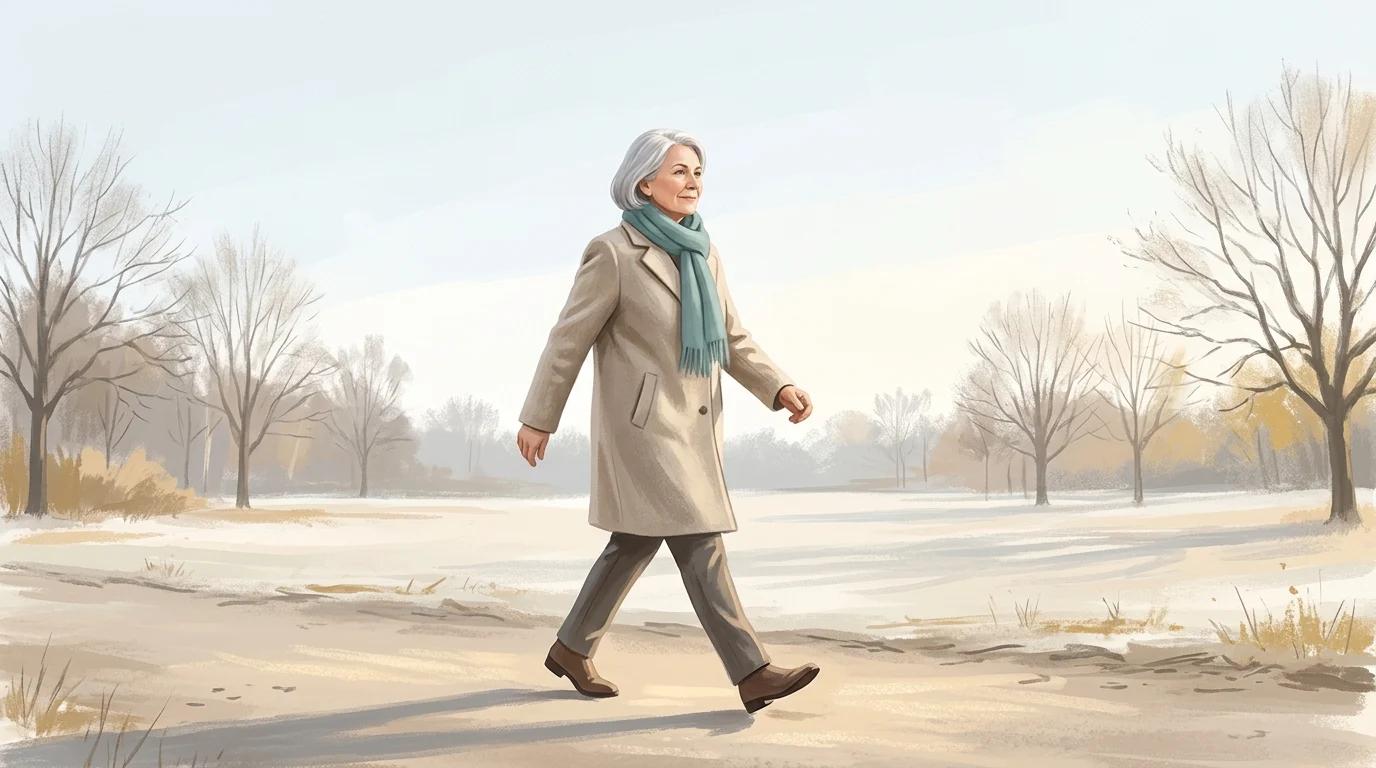
The bone research kept saying load it harder. The largest review added a quieter line
124 trials and 18,429 adults over forty. Brisk walking led at two of the three sites measured. The one result the authors rated most confidently was not a walking result.
Sep 16, 2026Ready to start moving better?
Gentle, guided lessons for your body. Try your first one free, no credit card required.