
Movement Pulse · Pain science
Pain neuroscience, central sensitization, and nervous-system-based approaches to chronic pain.
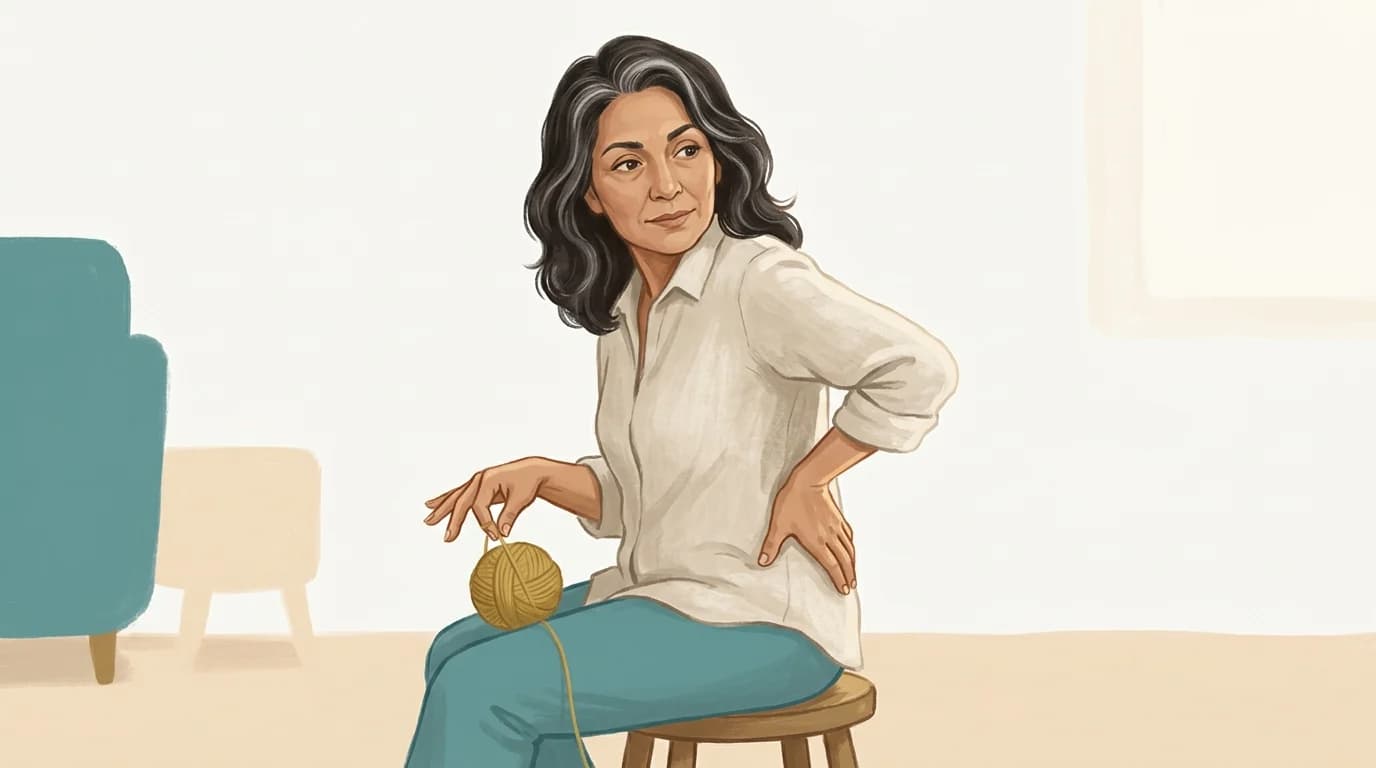
Chronic back pain slowed how quickly people sensed their back, while their hands kept pace
Nineteen people with long standing low back pain and nineteen matched controls judged left from right on pictures of twisting bodies and rotated hands. Only the trunk task separated the groups. The answers stayed accurate, and the delay did not track how much it hurt.
Sep 26, 2026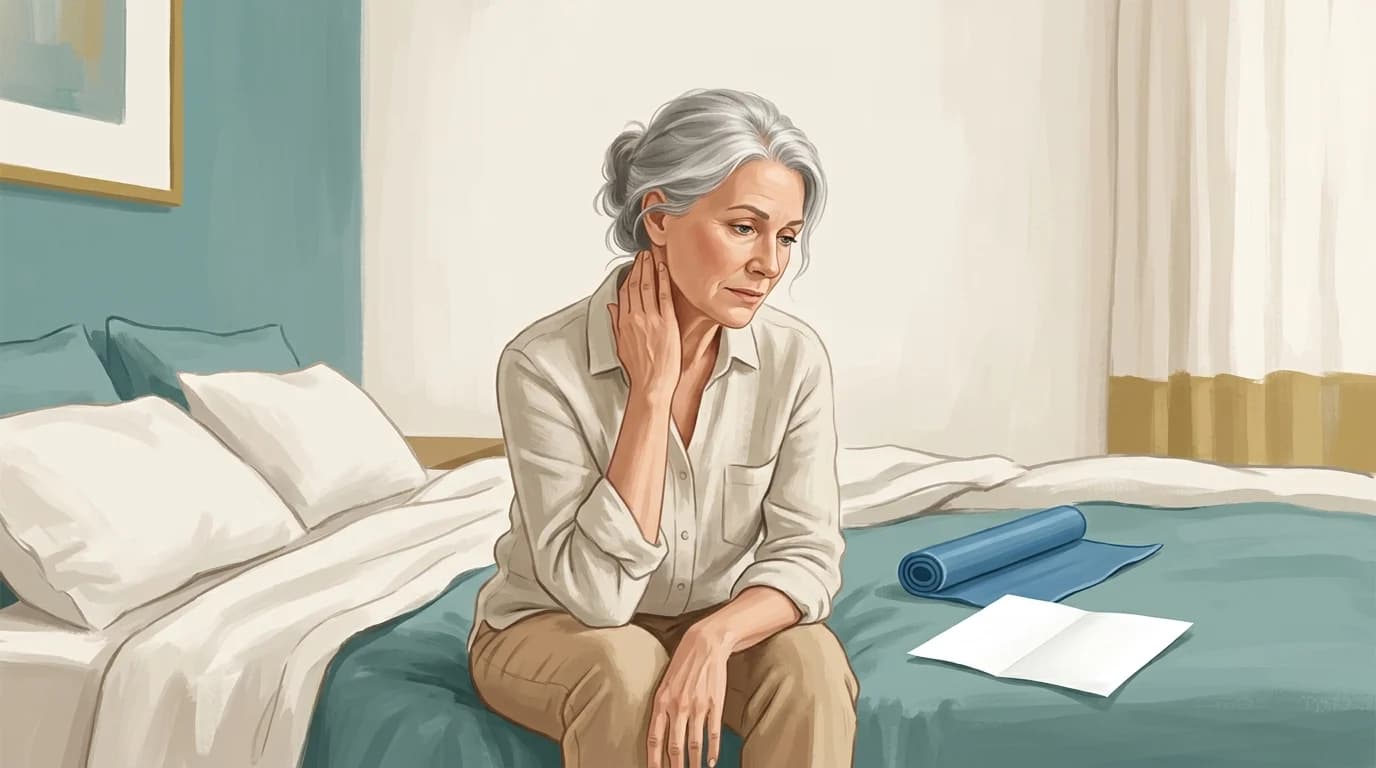
The thing that stopped people finishing a pain education programme was not the schedule
Sixty three adults with chronic neck pain were asked to name, in their own words, what got in the way of staying with a pain neuroscience education and exercise programme. The barrier they rated highest was not the timetable. It was whether the programme fit their body.
Sep 11, 2026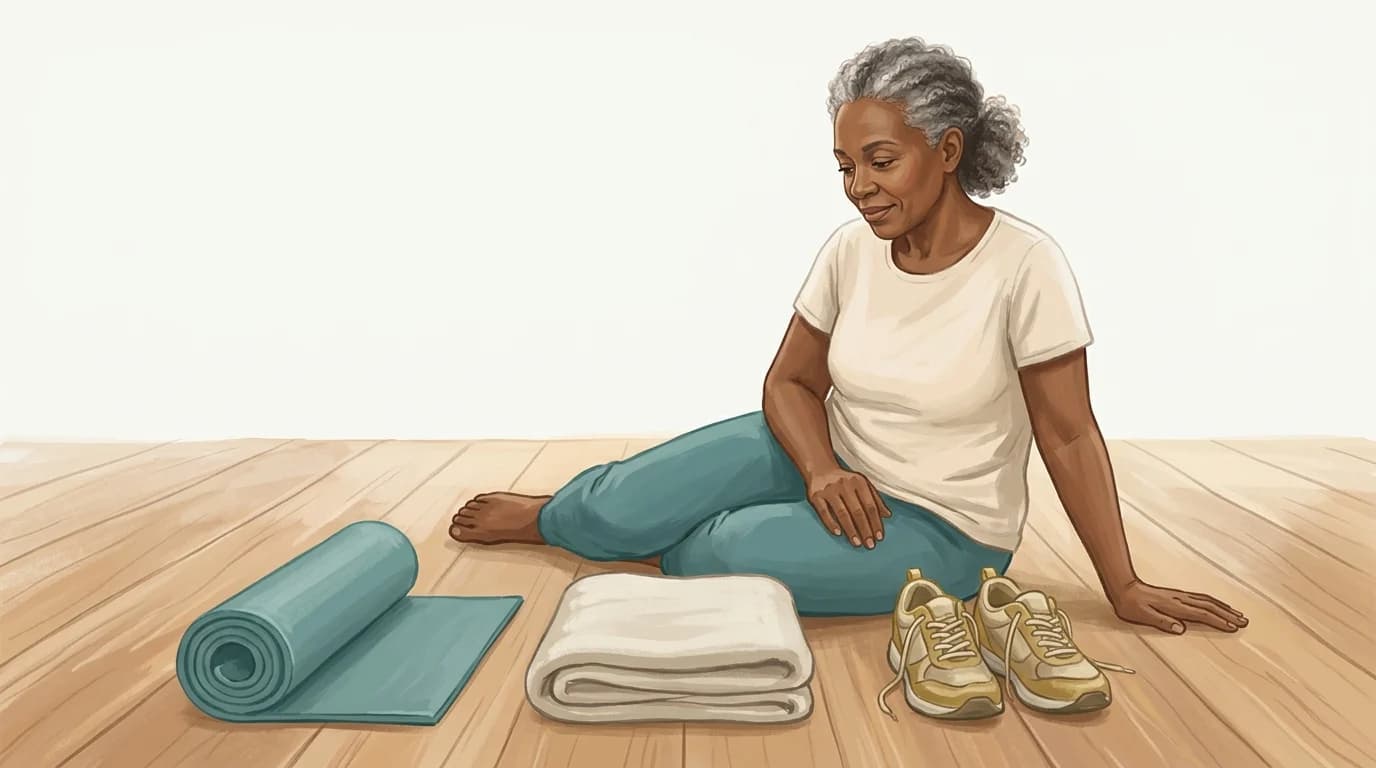
The APA pain guideline backs exercise, then declines to say which kind is better
A summary of the APA's chronic musculoskeletal pain guideline has just appeared in American Psychologist. Its first line list is short and firm. Almost every comparison between one movement approach and another came back as insufficient evidence.
Aug 23, 2026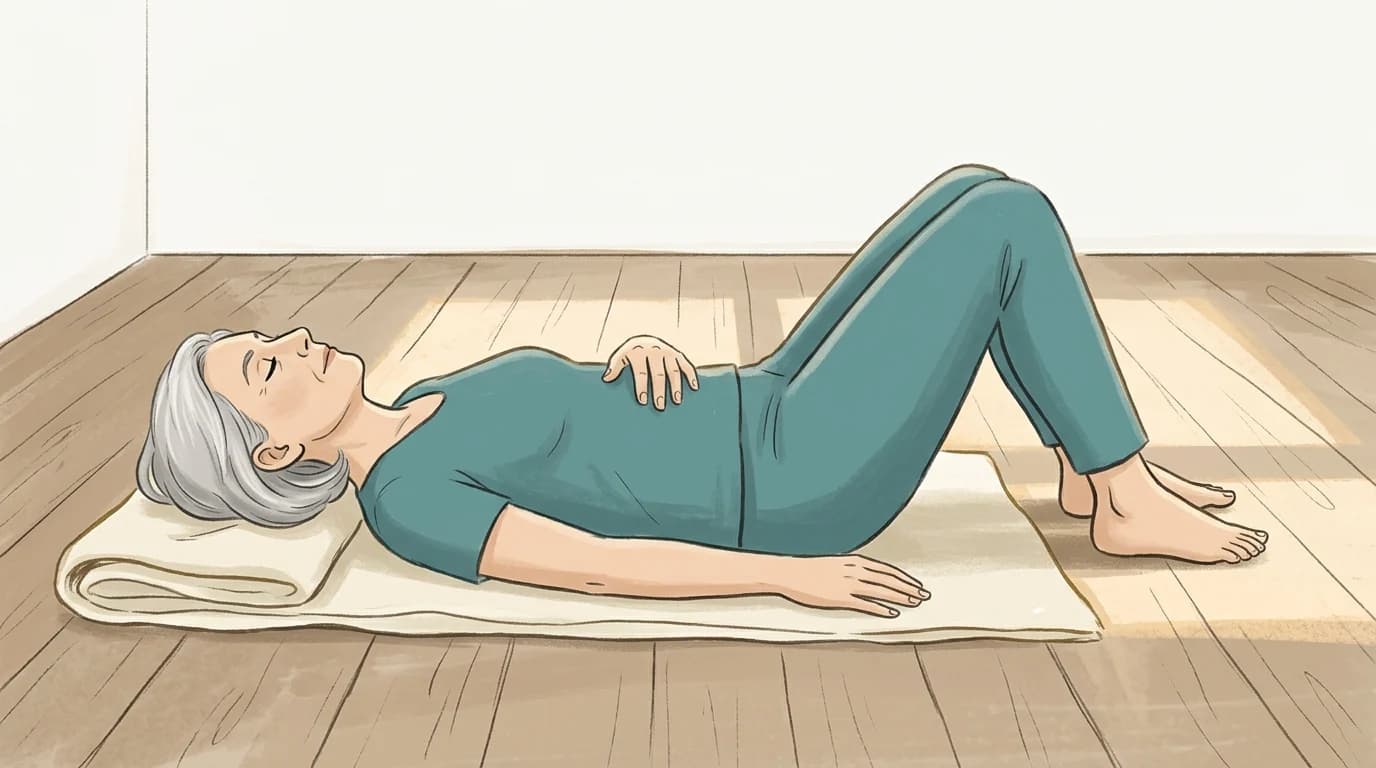
The biggest difference between a body in pain and a body without it is not in the tissue
A new pooled analysis in The Journal of Pain lined up five domains across 118 studies. Psychological and sensory measures separated the groups most. Tissue separated them least.
Aug 4, 2026
The headache, the neck pain, and the low back keep pointing at the same mechanism
A July review finds all three share cortical hyperexcitability and impaired descending inhibition. It is the latest step in a nine year shift in how pain gets classified.
Jul 30, 2026
Exercise eases pain. Harder is not the point.
An umbrella review of 157 reviews and 221,000 people found exercise reliably reduces pain, with greater effects in lower intensity, shorter programs.
Jul 9, 2026Ready to start moving better?
Try your first lesson for free. No credit card required.