

Movement Pulse · Balance
Balance, falls, and proprioception research, translated for everyday practice.
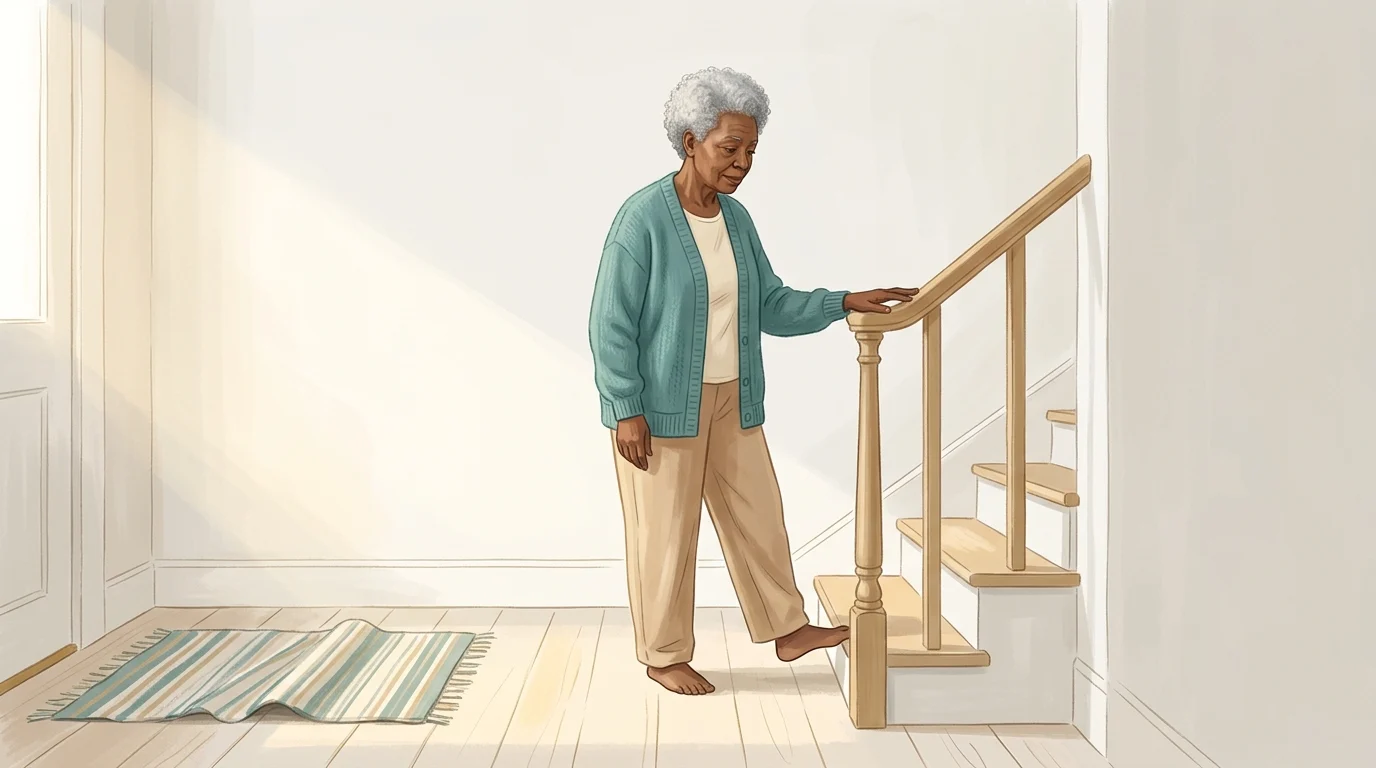
The clinic that watches your bones and the one that watches your balance rarely talk
Seven international organizations published a joint position paper on 10 September saying fall prevention and fracture prevention are still built as separate services. Three questions worth taking to your next appointment.
Sep 14, 2026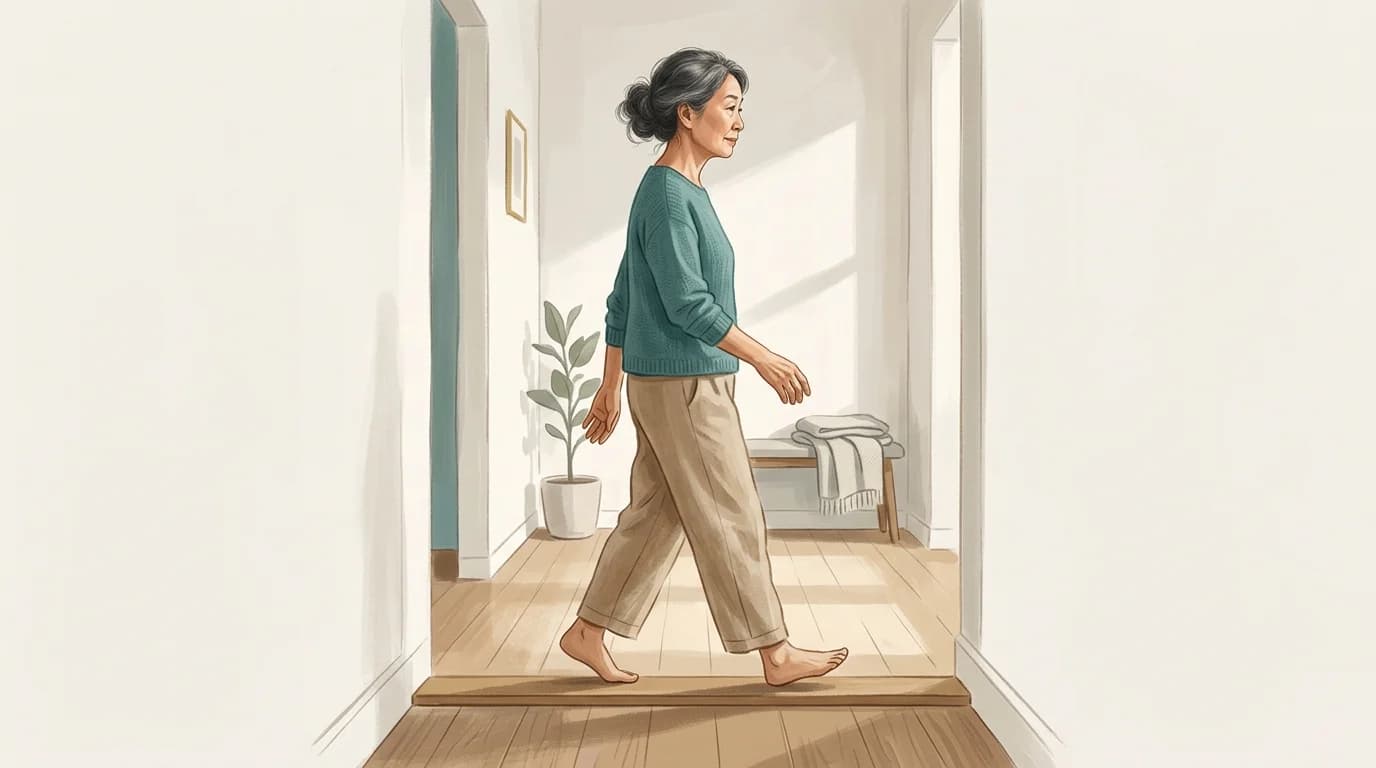
Why the foot that catches on a threshold is usually not the foot that lifted too low
In 200 older adults, those scored at higher fall risk cleared small obstacles just as high as everyone else. What differed was how fluently they got across.
Sep 2, 2026
Why the balance exercise that works in a class may not be the one that works at home
A new analysis pooled 423 trials and nearly 34,000 older adults to compare 19 ways of training balance. The ranking changed depending on which kind of balance was being measured.
Aug 16, 2026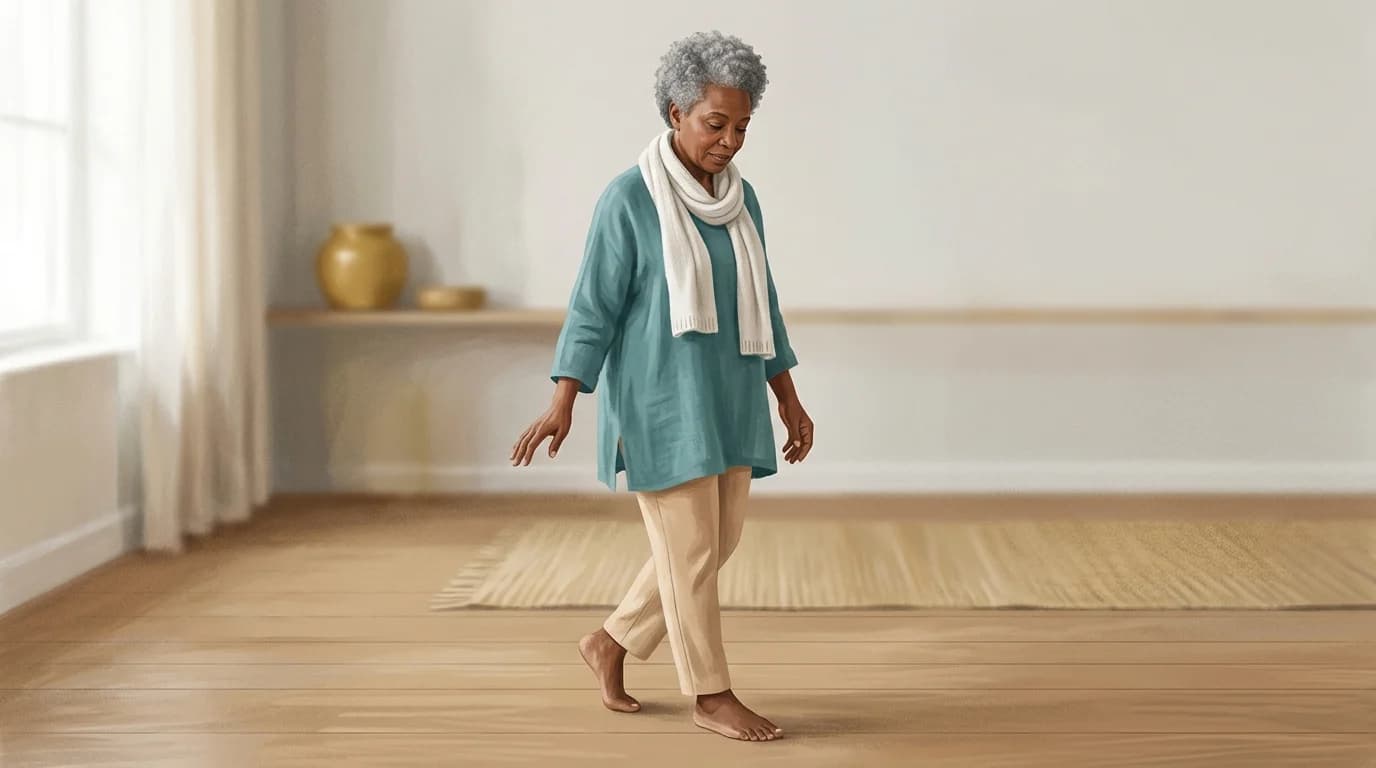
Tai chi walking is the balance trend of the summer. What the research actually shows
Tai chi walking is everywhere this summer. The evidence on balance and falls is encouraging, and it comes from classical tai chi, not the viral version.
Jul 29, 2026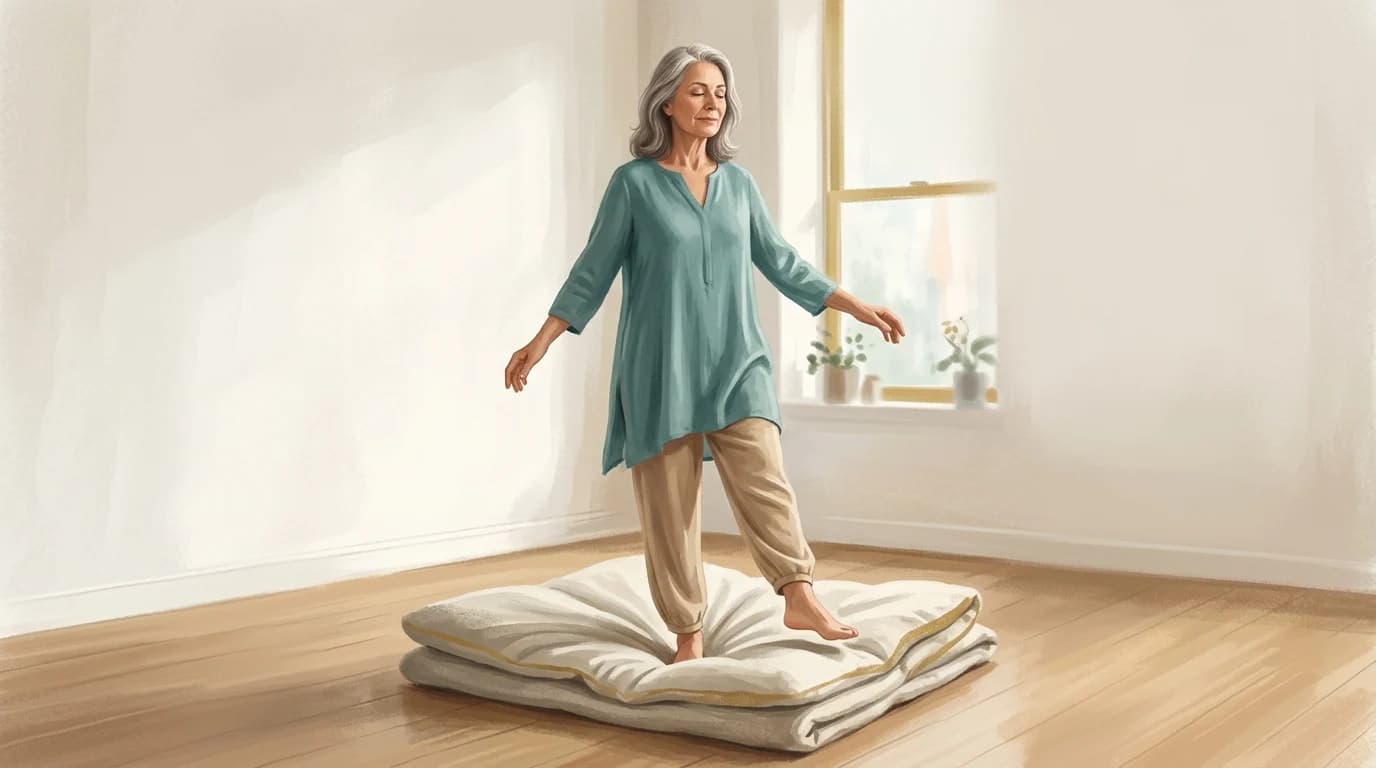
Unstable training's edge was confidence, not strength
A July 2026 meta-analysis compared resistance training on unstable surfaces with the same work on solid ground in older adults. Strength matched. Confidence did not.
Jul 21, 2026
Even strong athletes wobble when the eyes close
A July 2026 study found even competitive weightlifters lost steadiness once the surface softened and the eyes closed. Balance is sensing, not strength.
Jul 6, 2026
The strongest predictor of falls is not strength
A new 2026 study put proprioception, vibration sense, and muscle strength head to head against fall frequency in older women. The sensing variable won.
Jun 20, 2026Ready to start moving better?
Try your first lesson for free. No credit card required.